/
•
•
Detailed stories on technology startups, business and economic current affairs.
Acquiring the two companies could give a much-needed boost to the Gautam Adani-led conglomerate’s steel ambitions.



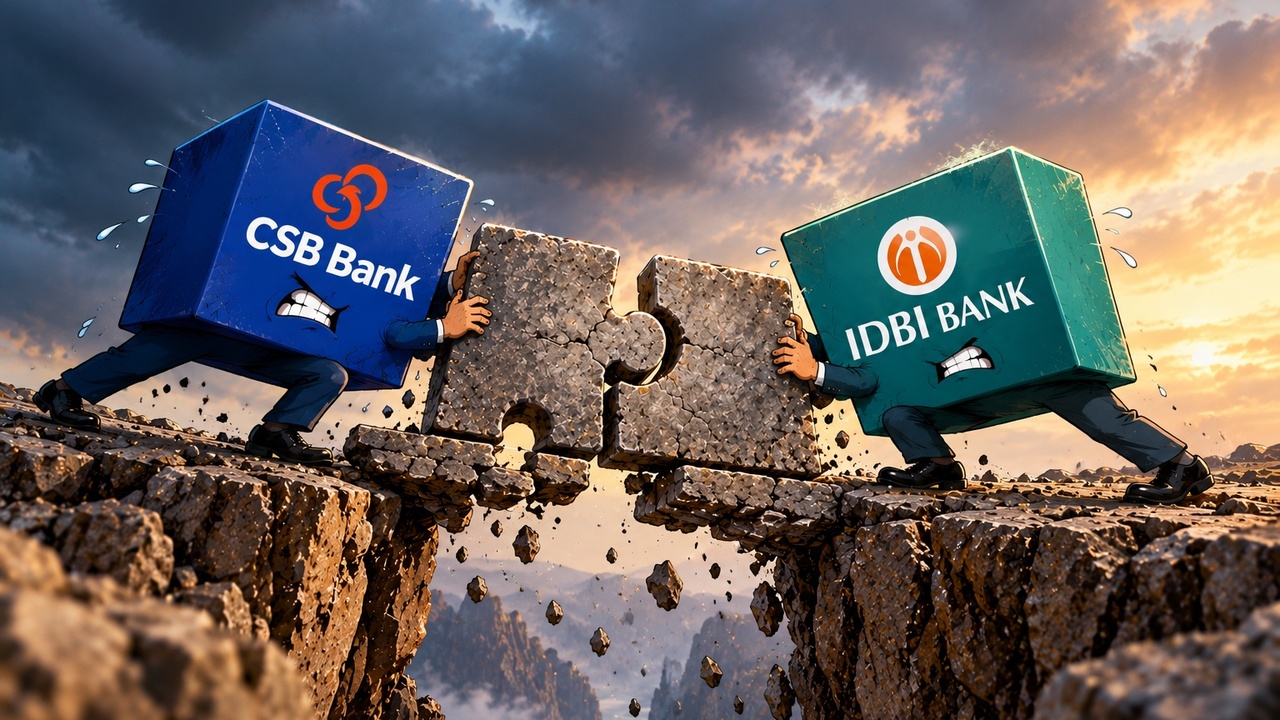
In a week when it has closed two major deals in the media and real estate sectors, billionaire Gautam Adani-led Adani group has emerged as one of the most likely contenders to acquire two steel companies. These are state-owned Rashtriya Ispat Nigam Ltd and ESL Steel, a formerly bankrupt firm (earlier known as Electrosteel Steels Ltd) bought by the Vedanta group in 2018.
The disinvestment of Visakhapatnam-based Rashtriya Ispat Nigam Ltd (RINL), which had been in the making for a decade, finally kicked off last week, with the Department of Investment and Public Asset Management conducting roadshows for potential investors. …
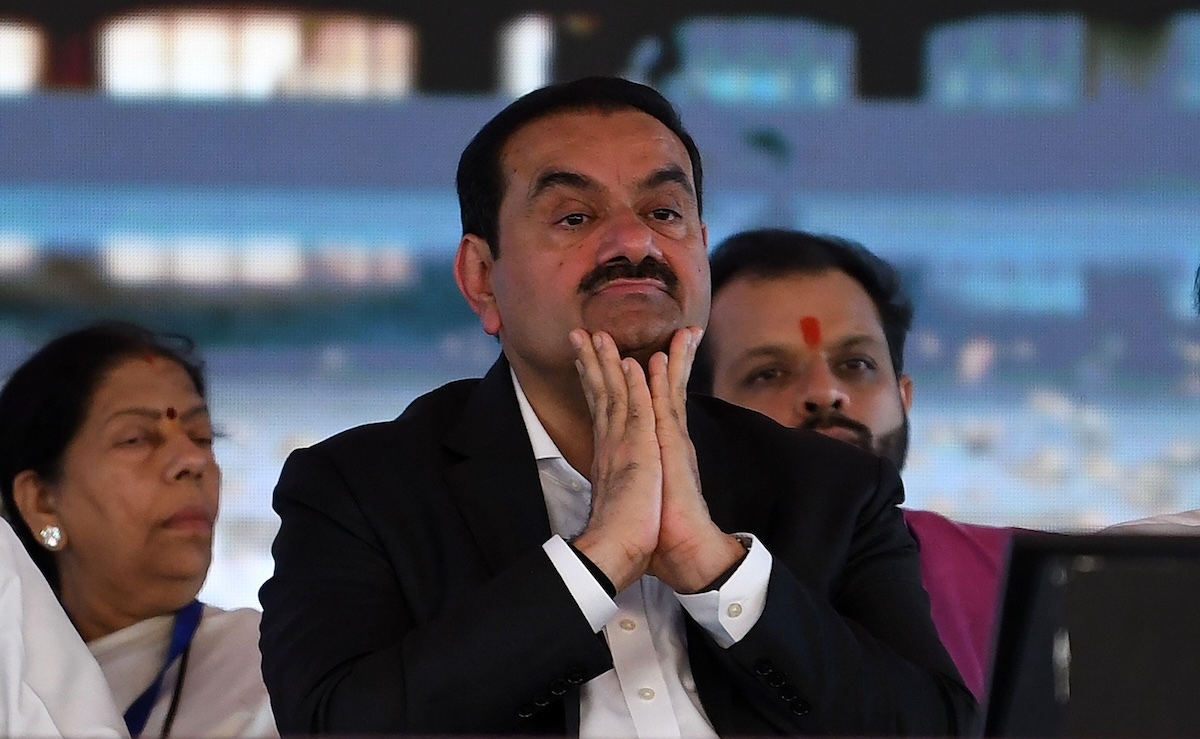
A regulatory easing could see the billionaire’s conglomerate move from running airports to owning an airline—an idea he is warming up to, with multiple options open.
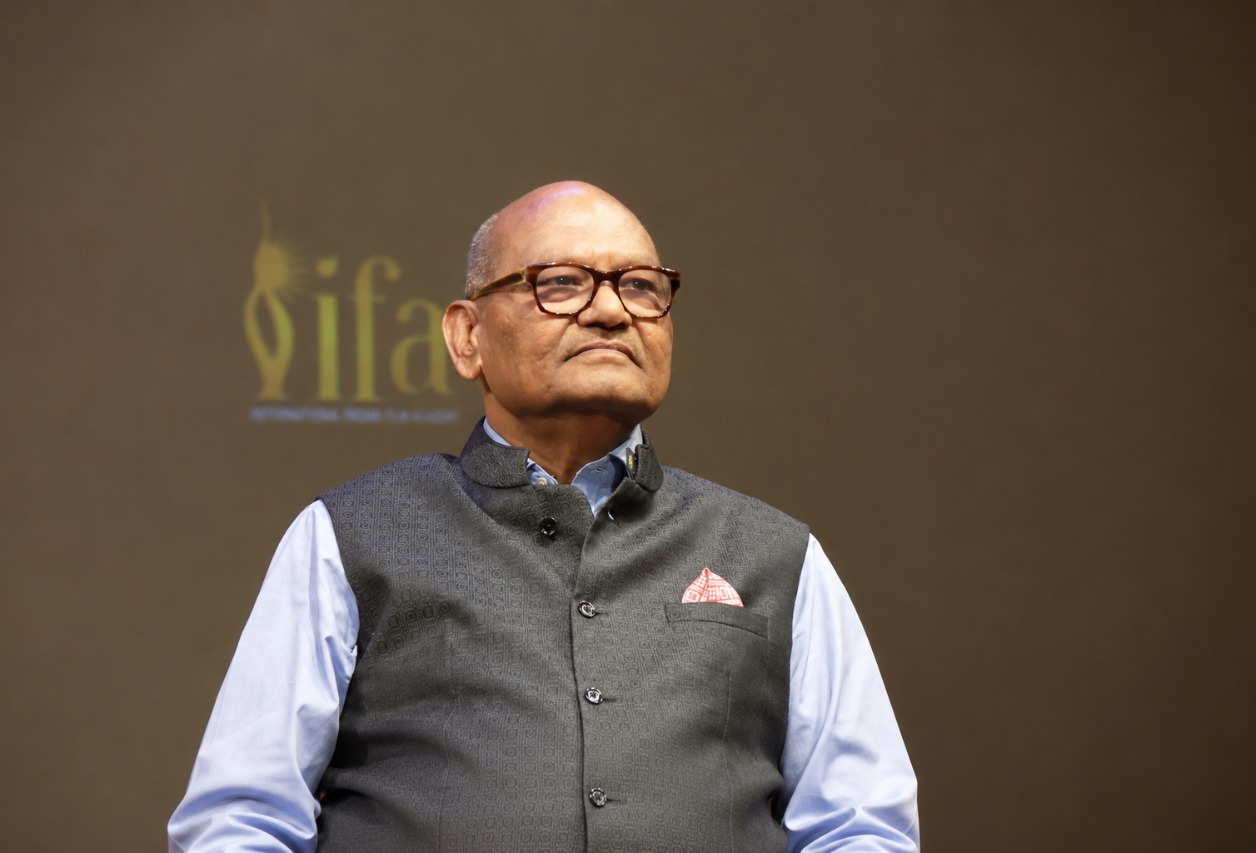
After a strong listing, Vedanta Aluminium Metal is running into some headwinds. Aluminium prices are easing, but the sharper challenge is rising competition from Kumar Mangalam Birla and Gautam Adani.
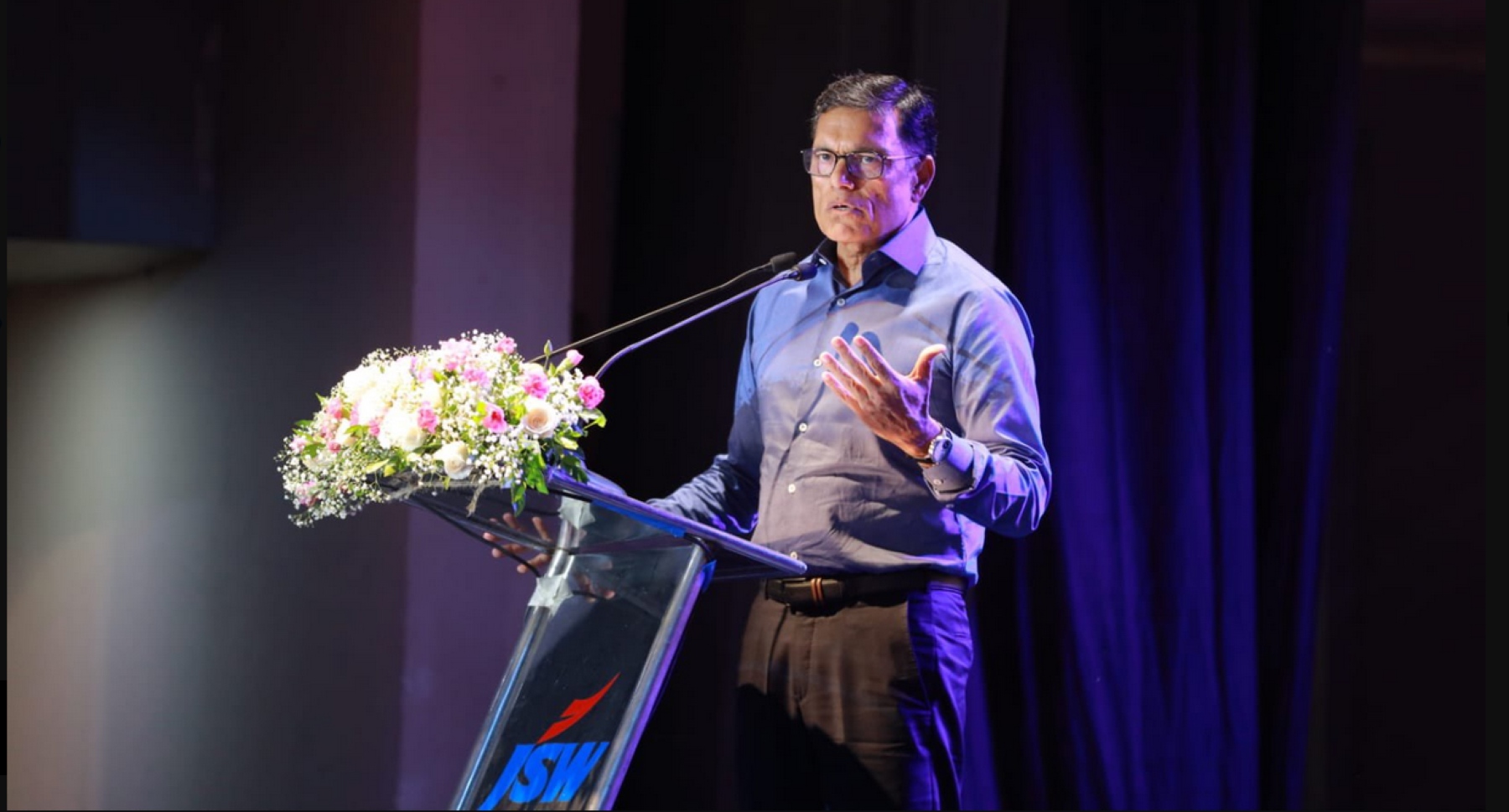
The JSW Steel founder is embarking on an unprecedented expansion, betting on Japan’s JFE and Korea’s POSCO to share the load. But rivalries, debt and market risks could complicate the plan.