/
•
•
Detailed stories on technology startups, business and economic current affairs.
The company’s ambitions may have to take a back seat as high levels of debt and loss-making subsidiaries weigh on its credit profile.



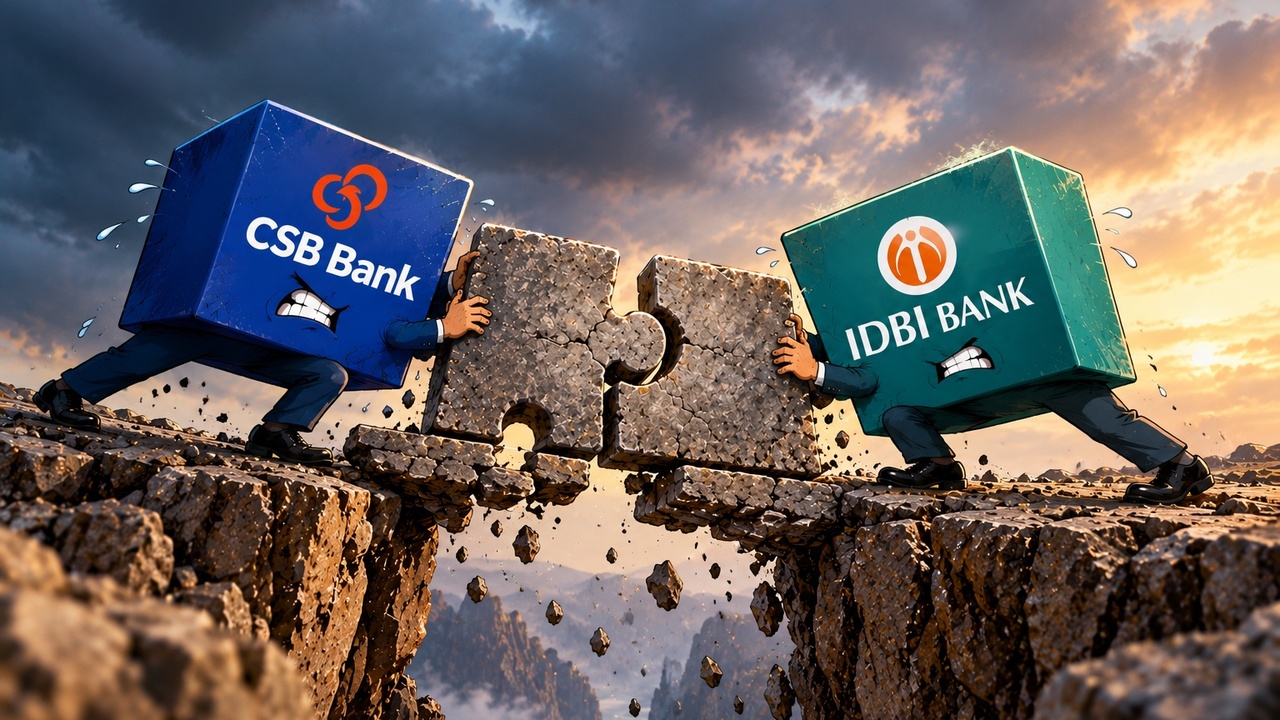
On 3 February, S&P Global Ratings revised its outlook on Adani Ports and Special Economic Zone to “negative” from “stable”, citing concerns of increased cost of capital and reduced funding access.
Then, on 3 March, ICRA followed by changing its outlook on the company to “negative”, due to a deterioration in the Adani group’s financial flexibility. The rating agency noted that “the group’s strong financial flexibility and APSEZ’s track record of refinancing a large part of its debt with borrowing [mostly from overseas debt capital markets] of longer tenures at lower interest were the key credit strengths, which have been …
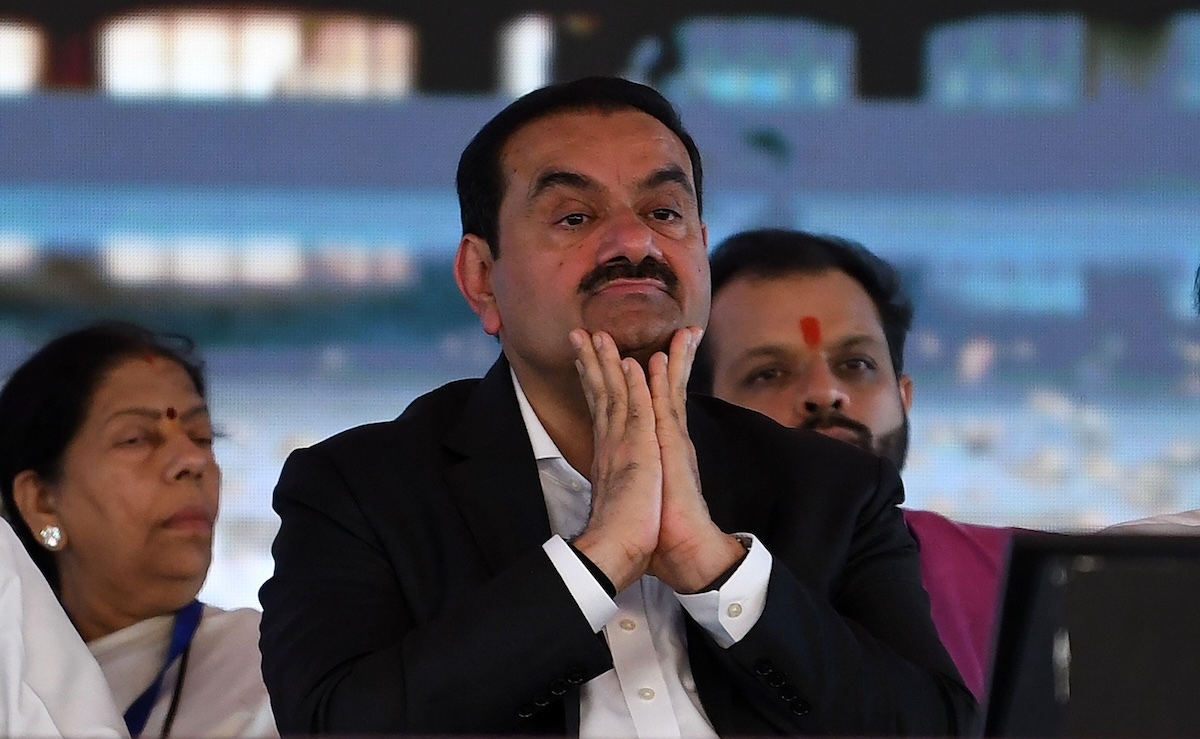
A regulatory easing could see the billionaire’s conglomerate move from running airports to owning an airline—an idea he is warming up to, with multiple options open.

After a strong listing, Vedanta Aluminium Metal is running into some headwinds. Aluminium prices are easing, but the sharper challenge is rising competition from Kumar Mangalam Birla and Gautam Adani.
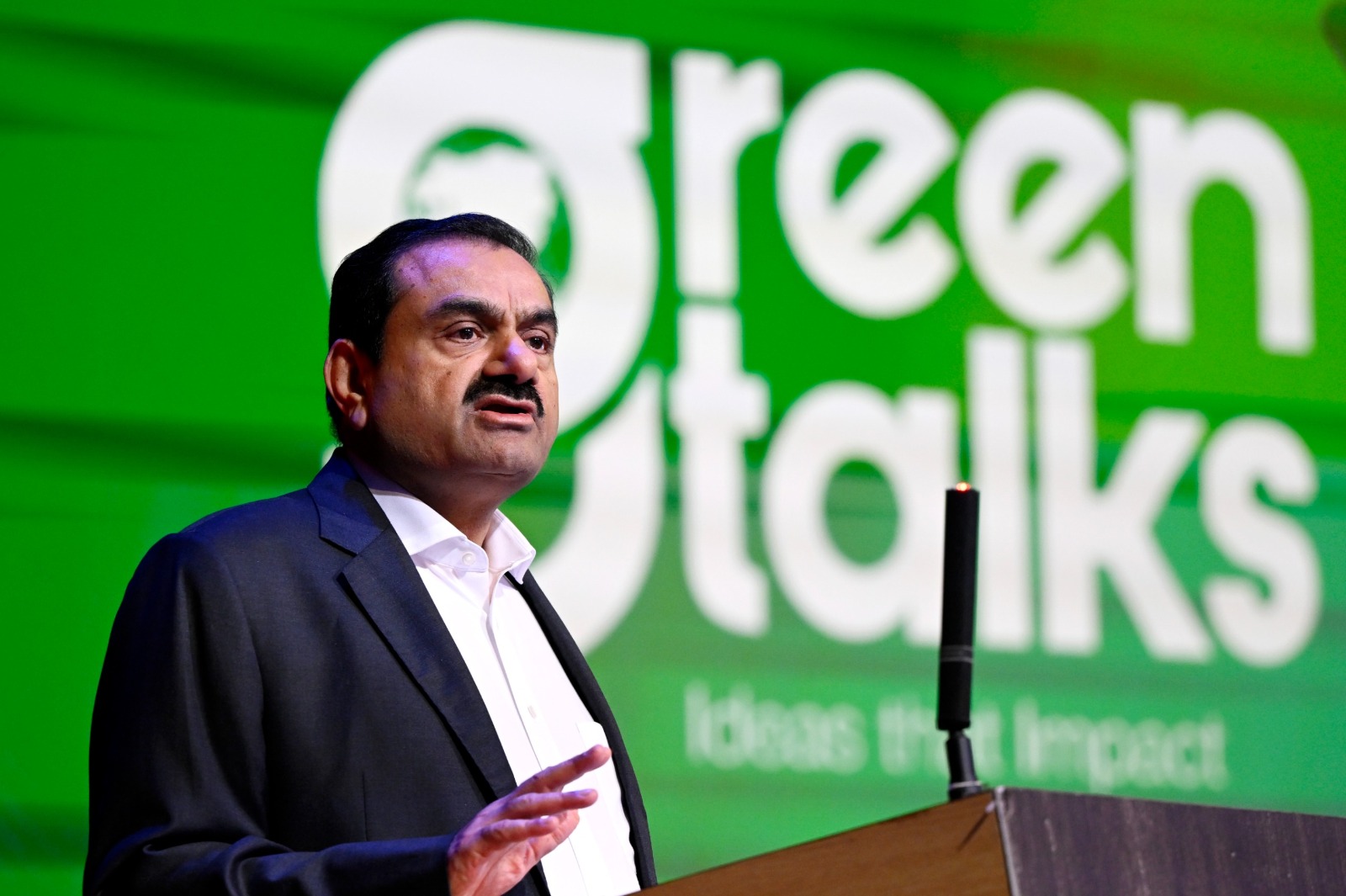
A proposed SEC settlement lifts the biggest overhang on the Adani Group—its access to US capital markets.