/
•
•
Detailed stories on technology startups, business and economic current affairs.
The auction of IPL media rights is finally over. We take a look at the contenders, winners and losers.



It has taken three long days for the auction to conclude. The media rights—television and streaming—to the Indian Premier League, the most popular of cricketing tournaments, were up for grabs for five years from 2023. And these past three days have seen the giants of Indian media come and indulge in a bidding war to the finish.
First, the highlights. The numbers are expectedly huge. The total value of the media rights to the IPL now stands at Rs 48,390 crore, or about $6.2 billion. That is more than a billion dollars a year. That is also almost three times …
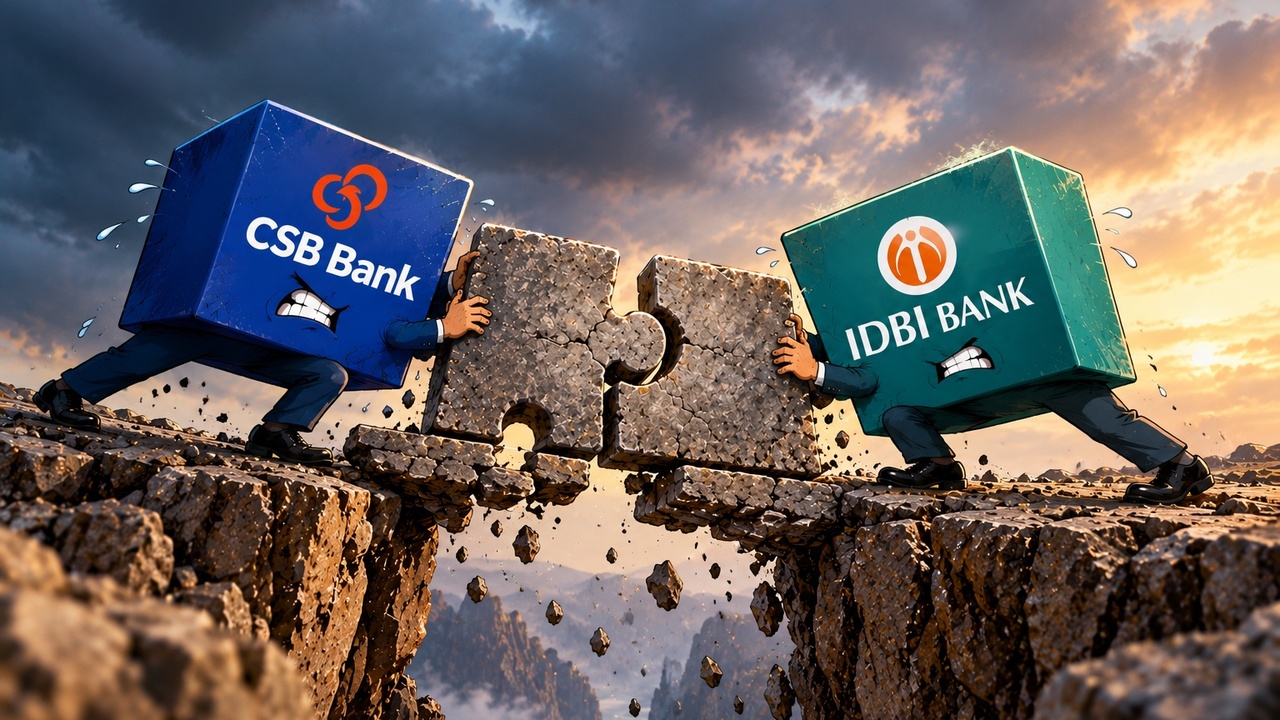
The acquisition of IDBI Bank puts his Fairfax smack dab in the middle of the RBI’s rules on bank ownership. It must now decide whether to sell CSB Bank or merge the two lenders, neither of which will be easy.
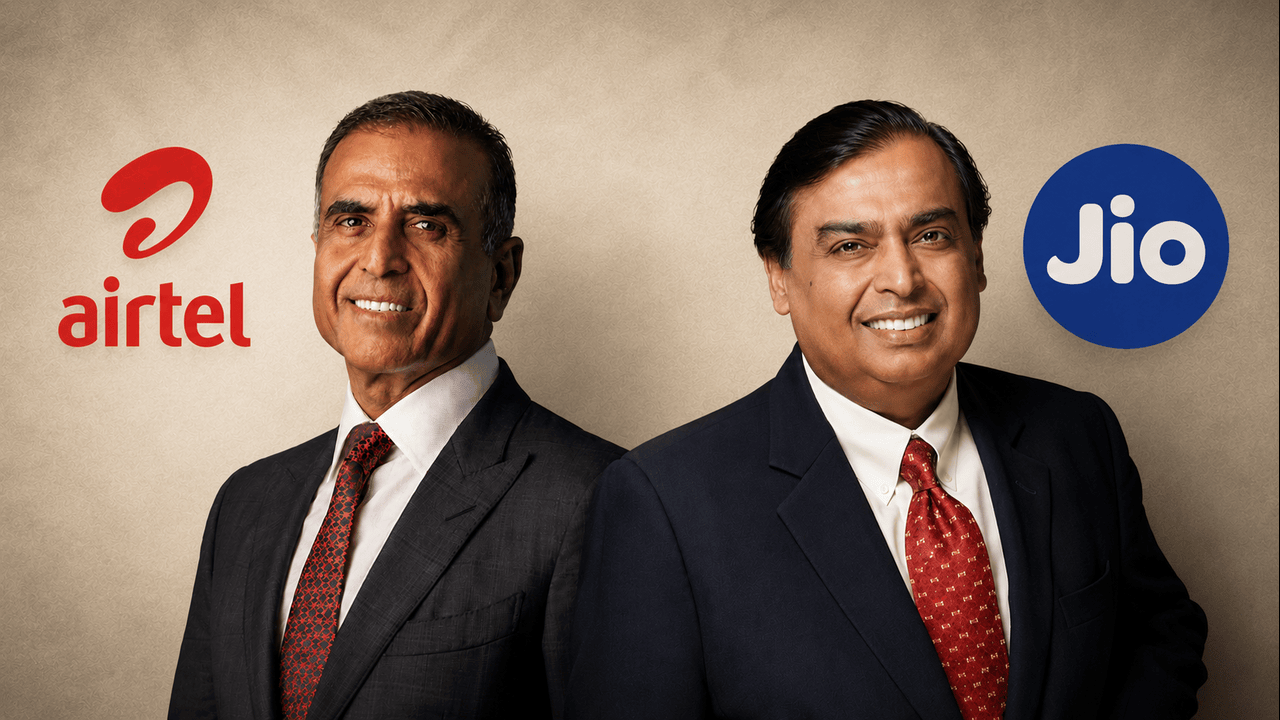
Instead of going after scale like Jio, the Sunil Bharti Mittal-led telecom giant is chasing a smaller but higher-quality customer base to grow its home broadband segment. Will the bet pay off?