/
•
•
Detailed stories on technology startups, business and economic current affairs.
Reliance Retail is India’s biggest fashion and lifestyle business. Now it wants to take on Flipkart-Myntra in online sales.



Editor's note: It was the early 1980s. Dhirubhai Ambani had just stepped into the limelight. His company, Reliance Industries Ltd, had begun enlisting celebrities for its “Only Vimal” advertisements on TV, which had only recently gone colour in India. Vimal, the company’s textile brand spanning suit fabrics to saris, had shot to prominence out of nowhere, weathering competition from long established brands like Bombay Dyeing, Raymond and Grasim. Probably because Reliance spared no expense on its promotion, airing ads mostly on Doordarshan’s prime time slots. But Dhirubhai’s overriding ambition at that point was to build a petrochemicals and refining business in the country that was second to none. A decade after Reliance’s IPO in 1977, the textile business began losing its pride of place in the company. Years later, his son Mukesh Ambani, as chairman of Reliance Industries, is resurrecting the business, slowly but surely. In the last five years, Reliance Retail’s fashion and lifestyle arm, Reliance Trends, has become the biggest player in the branded apparel business. Its annual revenue is higher than those of the next three offline players—Aditya Birla …
Reliance Retail is India’s biggest fashion and lifestyle business. Now it wants to take on Flipkart-Myntra in online sales.
Editor's note: It was the early 1980s. Dhirubhai Ambani had just stepped into the limelight. His company, Reliance Industries Ltd, had begun enlisting celebrities for its “Only Vimal” advertisements on TV, which had only recently gone colour in India. Vimal, the company’s textile brand spanning suit fabrics to saris, had shot to prominence out of nowhere, weathering competition from long established brands like Bombay Dyeing, Raymond and Grasim. Probably because Reliance spared no expense on its promotion, airing ads mostly on Doordarshan’s prime time slots. But Dhirubhai’s overriding ambition at that point was to build a petrochemicals and refining business in the country that was second to none. A decade after Reliance’s IPO in 1977, the textile business began losing its pride of place in the company. Years later, his son Mukesh Ambani, as chairman of Reliance Industries, is resurrecting the business, slowly but surely. In the last five years, Reliance Retail’s fashion and lifestyle arm, Reliance Trends, has become the biggest player in the branded apparel business. Its annual revenue is higher than those of the next three offline players—Aditya Birla …

As the smart fan maker gears up for an IPO, prospective investors could do with some clarity on what the company’s next phase of growth will look like.
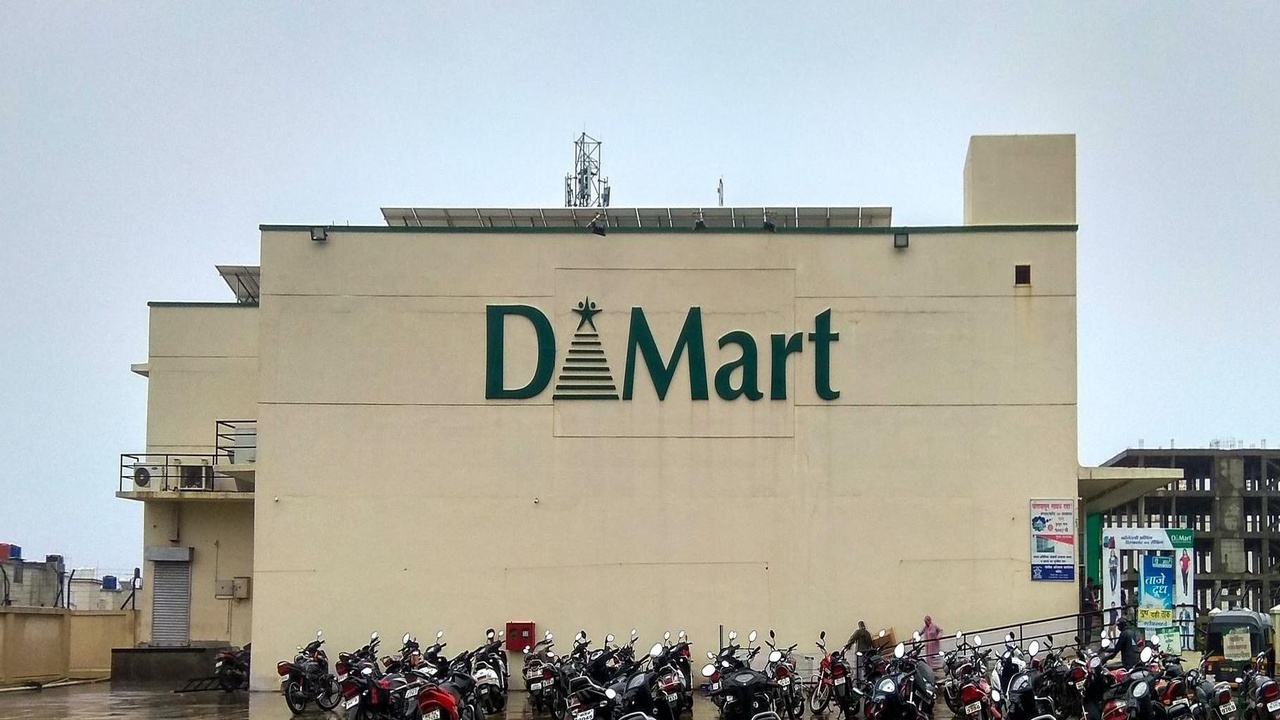
The retailer has shrunk operations to fix its loss-making vertical. But a reduced presence risks hurting volumes in a segment dominated by Blinkit and Instamart.
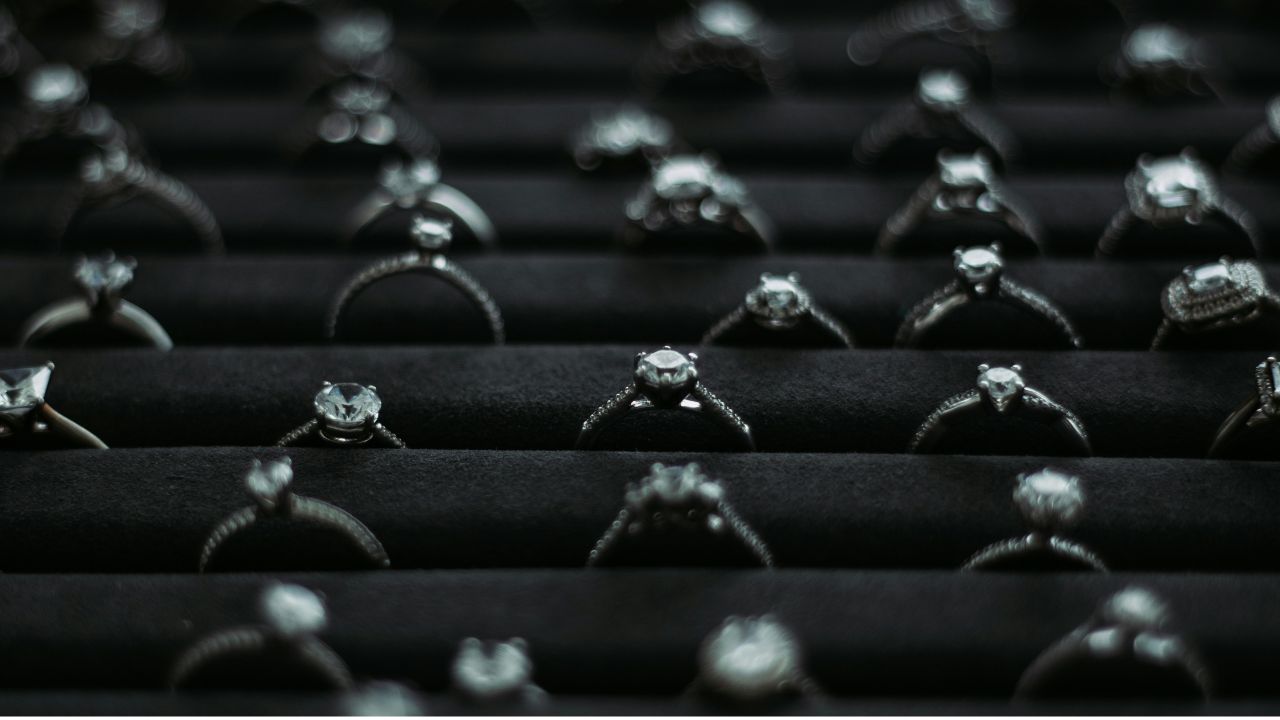
Brands are struggling amid plunging prices of lab-grown diamonds, poor margins, intense competition, shaky global demand and a domestic market where tradition continues to shape buying decisions.
As the smart fan maker gears up for an IPO, prospective investors could do with some clarity on what the company’s next phase of growth will look like.
The retailer has shrunk operations to fix its loss-making vertical. But a reduced presence risks hurting volumes in a segment dominated by Blinkit and Instamart.
Brands are struggling amid plunging prices of lab-grown diamonds, poor margins, intense competition, shaky global demand and a domestic market where tradition continues to shape buying decisions.