/
•
•
Detailed stories on technology startups, business and economic current affairs.
A year after the private lender was brought back from the brink, it seems to have lost some of the will to retrieve the monies owed to it.



It almost seemed like business as usual at Yes Bank.
Last week, when it announced the results for the quarter ended 31 December 2020, mention was made of a modest profit of Rs 151 crore. And the fact that its net interest income, or the difference between interest earned and interest paid, had expanded 29% quarter-on-quarter to Rs 2,560 crore.
The results went on to flag a high level of non-performing assets (loans gone bad), which would require another round of capital infusion, but no one seemed unduly concerned. Not even by the fall in the stock’s price following the …
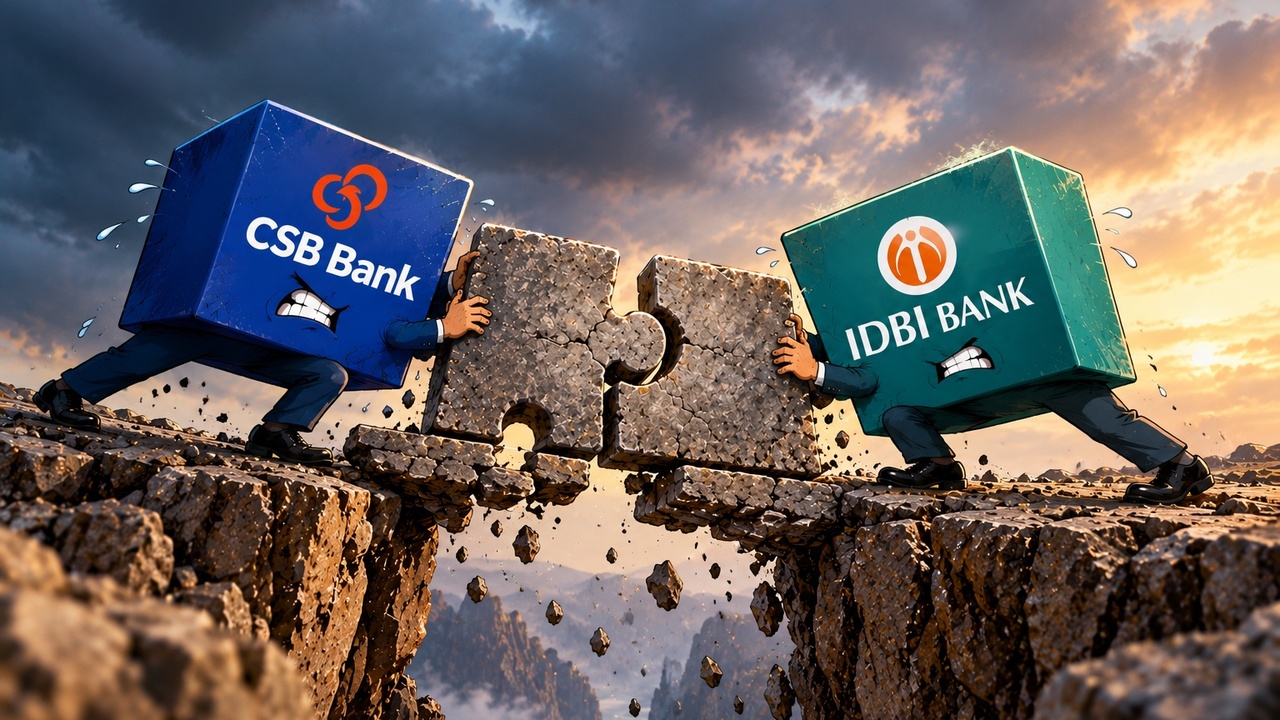
The acquisition of IDBI Bank puts his Fairfax smack dab in the middle of the RBI’s rules on bank ownership. It must now decide whether to sell CSB Bank or merge the two lenders, neither of which will be easy.

Lenders stand to gain a lot more than borrowers in the current challenging market environment

The central bank’s shift to a 100% collateral requirement threatens to erode leverage, reduce volumes and force a consolidation across prop desks.