/
•
•
Detailed stories on technology startups, business and economic current affairs.
In 2015, an entity controlled by Gautam and Rajesh Adani acquired Sarguja Rail Corridor for Rs 58 crore, now sold to Adani Ports for Rs 5,000 crore in shares.




On 27 January, the Adani group received approval from the National Company Law Tribunal to restructure some of its corporate entities. The goal of the exercise, the company had said, was to consolidate all its railway assets under Adani Ports and SEZ Ltd, the listed entity looking after Adani’s ports and logistics businesses. The consolidation, which was proposed back in March last year and effective 1 April 2021, would help APSEZ “to participate in Indian Railways PPP projects without having to compete with similar businesses in the Adani portfolio, a position that is in full alignment with the equity interests …
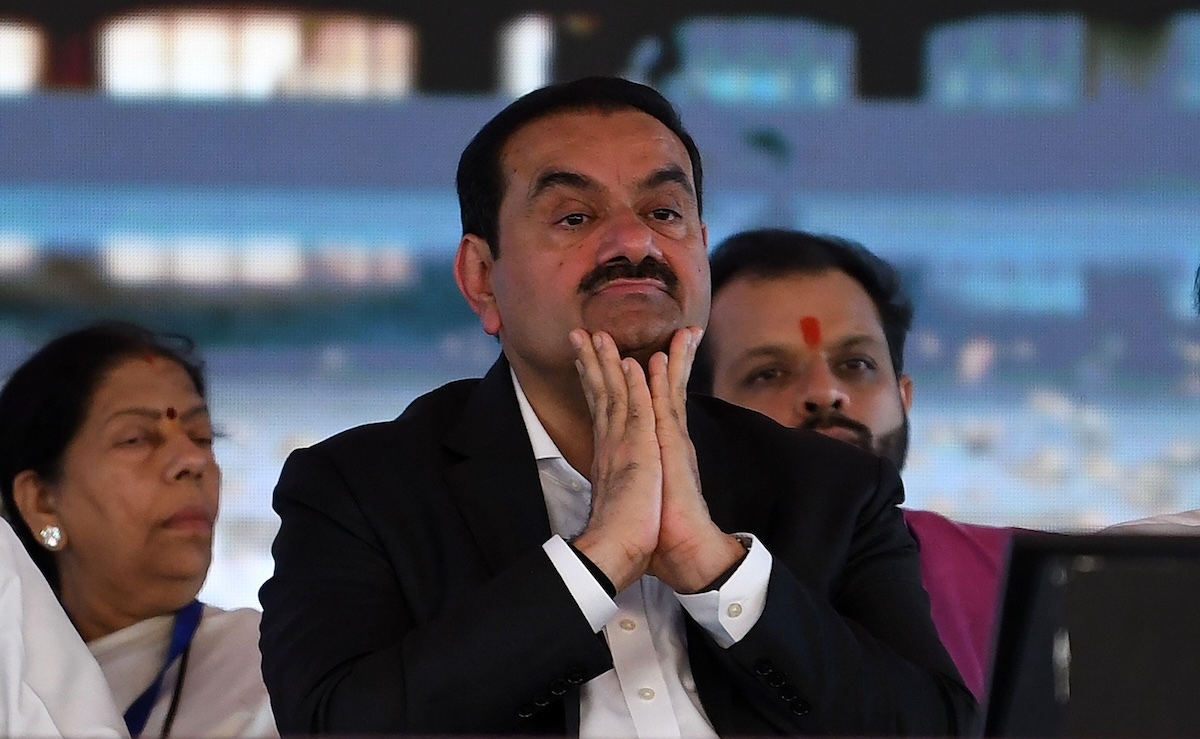
A regulatory easing could see the billionaire’s conglomerate move from running airports to owning an airline—an idea he is warming up to, with multiple options open.
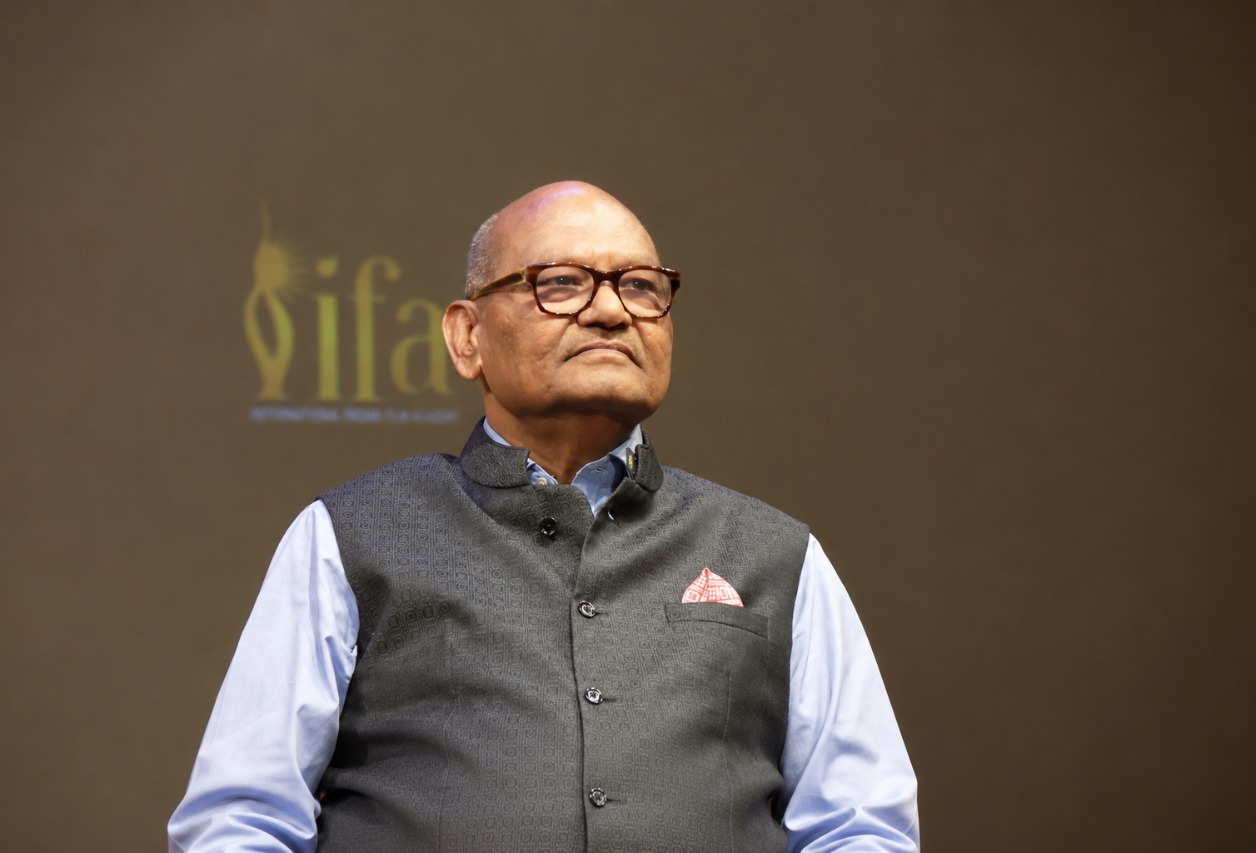
After a strong listing, Vedanta Aluminium Metal is running into some headwinds. Aluminium prices are easing, but the sharper challenge is rising competition from Kumar Mangalam Birla and Gautam Adani.

FY26 numbers show that Airtel is stealing a march on its larger rival on most counts and is unrelenting in its ambition, casting a cloud on Jio’s valuation.