/
•
•
Detailed stories on technology startups, business and economic current affairs.
A retail lending push, demerger of the pharma business and some of DHFL’s bad loans coming good are what his hopes are riding on.



Editor's note: A decade. That’s how long it would have taken Piramal Capital and Housing Finance Ltd to build a substantial retail lending business. But armed with lawyers, a new set of executives and the goodwill of India’s top bankers, the financial services arm of Ajay Piramal’s Piramal Enterprises Ltd has leapfrogged its peers in just a few quarters in its quest to build a household brand. Last June, Piramal Capital and Housing Finance took over Dewan Housing Finance Ltd after its bid was approved by bankers under the Insolvency and Bankruptcy Code process. For Piramal and his long-time lieutenant Khushru Jijina, acquiring DHFL was an attempt to boost PCFHL’s retail loan assets and widen its reach. (Read: DHFL resolution may fetch Piramals a windfall) That’s largely going according to the script. In the two quarters since, PCHFL’s retail loan portfolio has quadrupled, its branch network now stands at over 300 (from just 14 outlets) and its customer base has crossed over a million compared with around 23,000 earlier. Today, it is the fourth largest housing finance company behind HDFC Ltd, LIC …

A retail lending push, demerger of the pharma business and some of DHFL’s bad loans coming good are what his hopes are riding on.
Editor's note: A decade. That’s how long it would have taken Piramal Capital and Housing Finance Ltd to build a substantial retail lending business. But armed with lawyers, a new set of executives and the goodwill of India’s top bankers, the financial services arm of Ajay Piramal’s Piramal Enterprises Ltd has leapfrogged its peers in just a few quarters in its quest to build a household brand. Last June, Piramal Capital and Housing Finance took over Dewan Housing Finance Ltd after its bid was approved by bankers under the Insolvency and Bankruptcy Code process. For Piramal and his long-time lieutenant Khushru Jijina, acquiring DHFL was an attempt to boost PCFHL’s retail loan assets and widen its reach. (Read: DHFL resolution may fetch Piramals a windfall) That’s largely going according to the script. In the two quarters since, PCHFL’s retail loan portfolio has quadrupled, its branch network now stands at over 300 (from just 14 outlets) and its customer base has crossed over a million compared with around 23,000 earlier. Today, it is the fourth largest housing finance company behind HDFC Ltd, LIC …

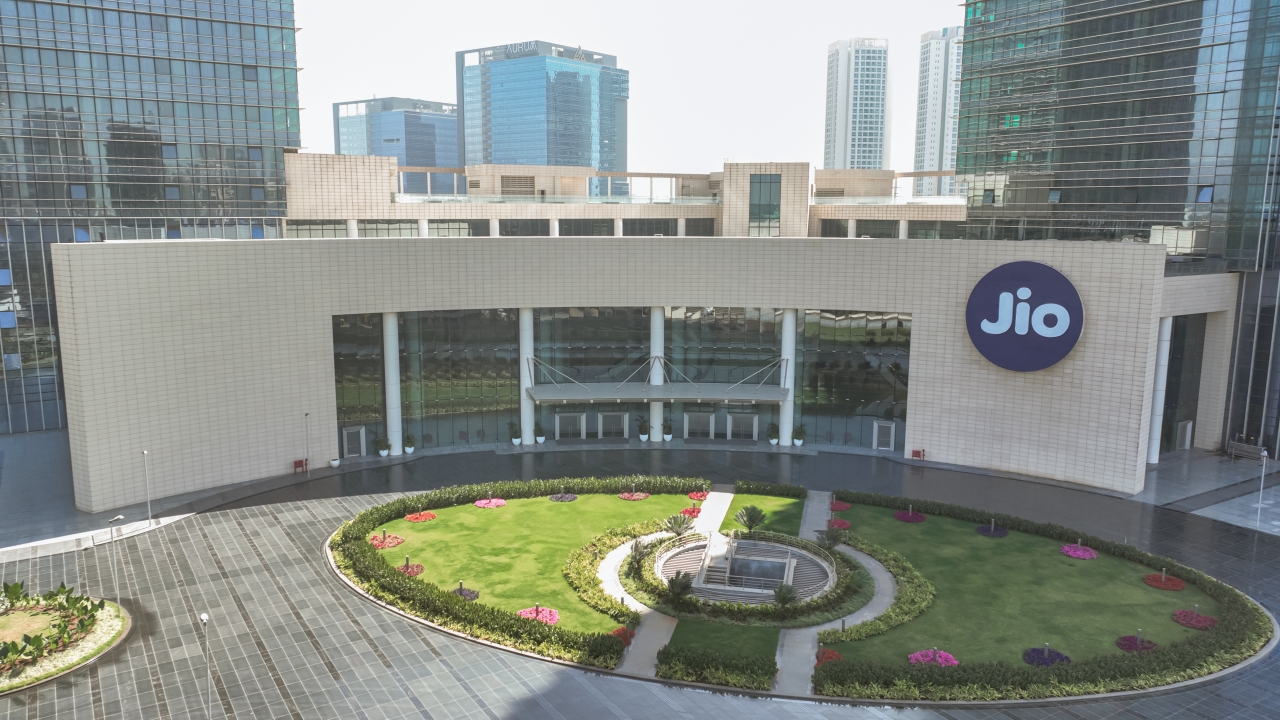
FY26 numbers show that Airtel is stealing a march on its larger rival on most counts and is unrelenting in its ambition, casting a cloud on Jio’s valuation.
Telecom and retail both continue with their ‘hit and miss’, while O2C delivers an unsurprisingly poor performance in Q4. This is a year RIL will be glad to see the back of.
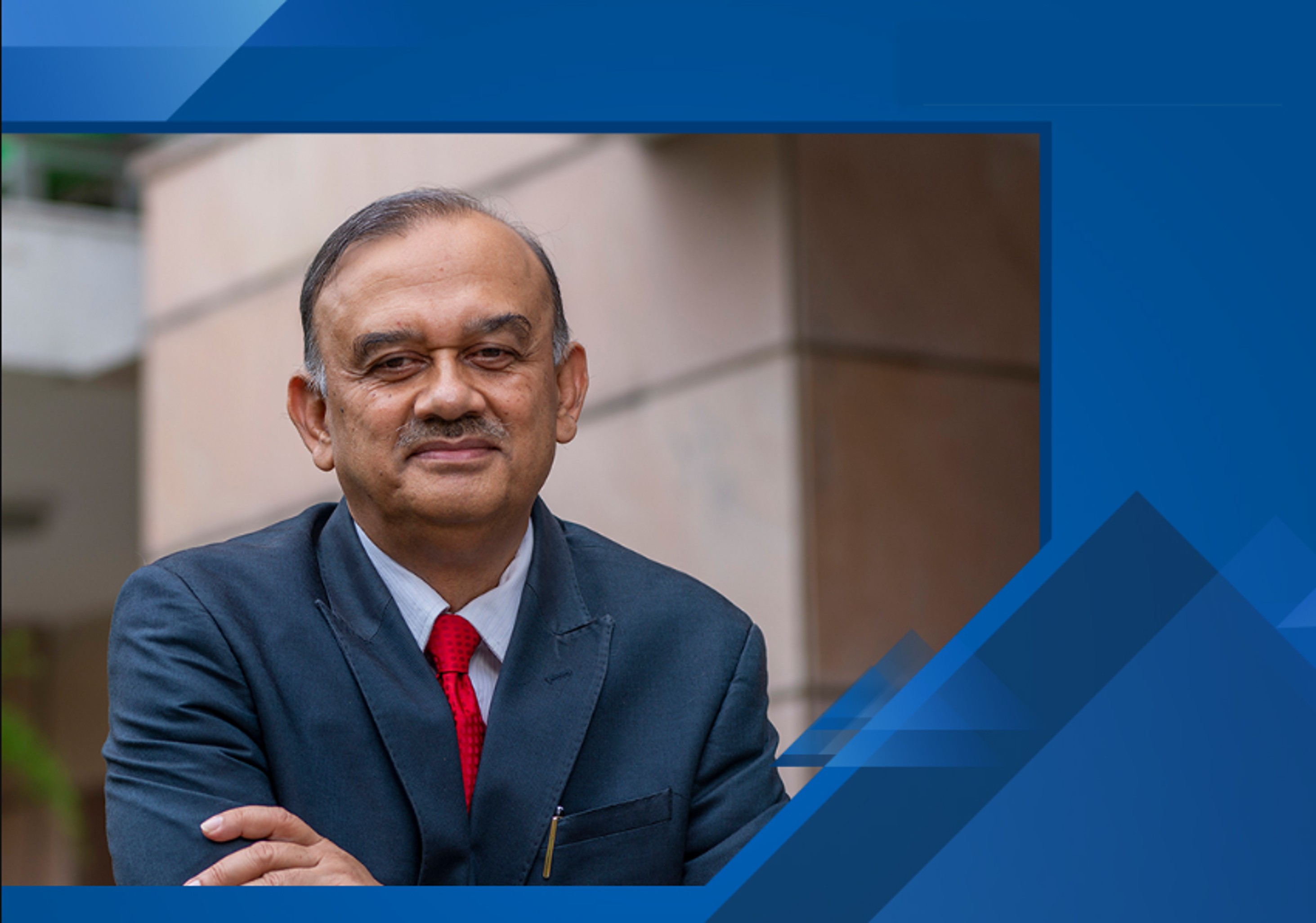
Atanu Chakraborty’s resignation does not appear as damaging as the bank’s response to it. The ‘all is well’ narrative needs an independent audit.
FY26 numbers show that Airtel is stealing a march on its larger rival on most counts and is unrelenting in its ambition, casting a cloud on Jio’s valuation.
Telecom and retail both continue with their ‘hit and miss’, while O2C delivers an unsurprisingly poor performance in Q4. This is a year RIL will be glad to see the back of.
Atanu Chakraborty’s resignation does not appear as damaging as the bank’s response to it. The ‘all is well’ narrative needs an independent audit.