/
•
•
Detailed stories on technology startups, business and economic current affairs.
The former bureaucrat did his image no favours, presiding over a sharp erosion of shareholder wealth that culminated in him being forced out of the chairman’s position.




In 2013, when Vinod Rai stepped down as the 11th Comptroller and Auditor General of India, he was nothing short of a celebrity—a man who had exposed “scams” in allocations of 2G spectrum and coal blocks, which played no small part in the defeat of the Congress-led United Progressive Alliance in the 2014 general elections. Rai was then hailed as a demigod of India’s anti-corruption brigade.
Less than a decade later, Rai is now better known as the much maligned former chairman of IDFC Ltd, a holding company with stakes in various financial companies. On 22 September, concerted action on …

The central bank’s shift to a 100% collateral requirement threatens to erode leverage, reduce volumes and force a consolidation across prop desks.
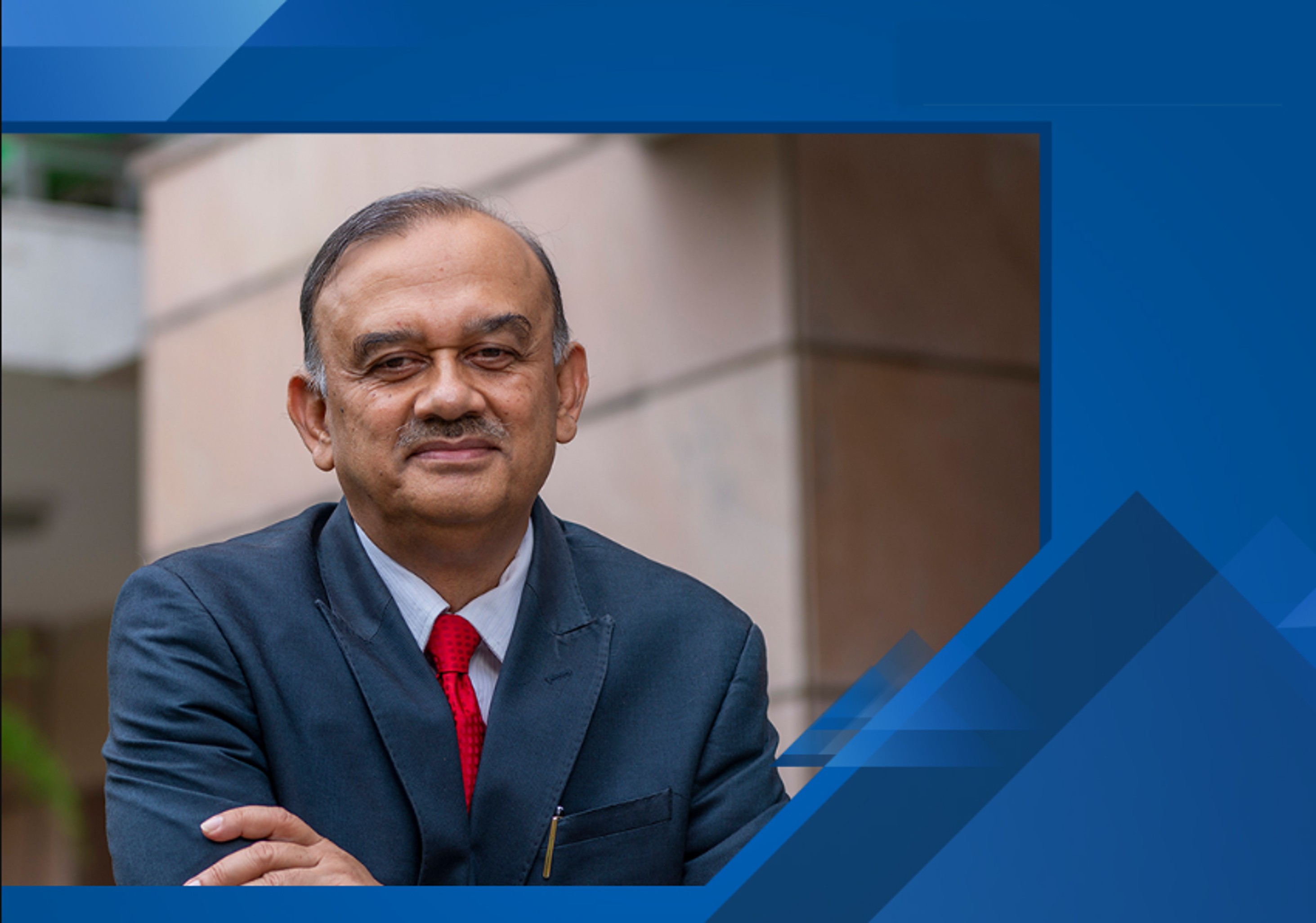
Atanu Chakraborty’s resignation does not appear as damaging as the bank’s response to it. The ‘all is well’ narrative needs an independent audit.
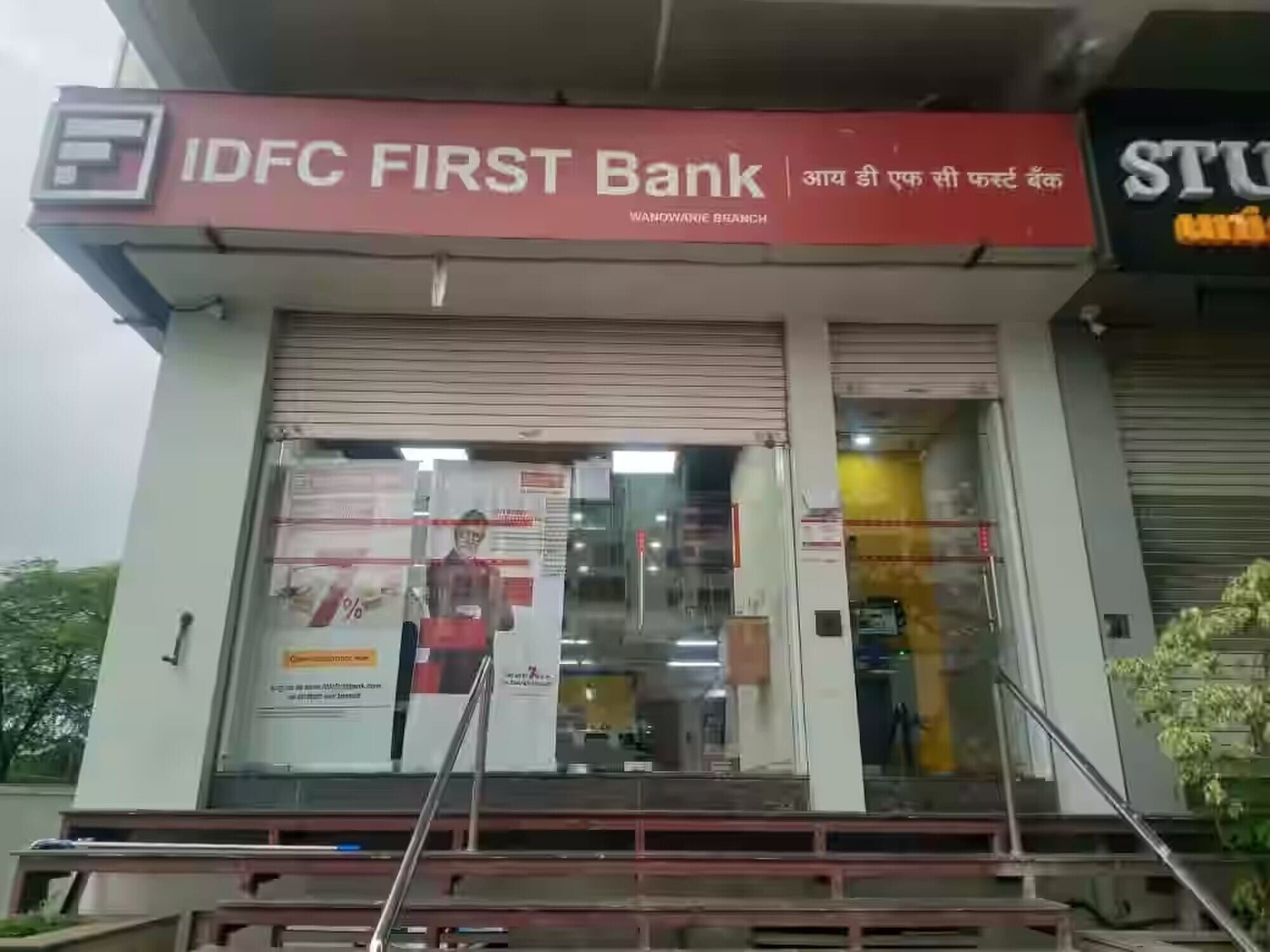
Divergent narratives from the Haryana government and the lender raise deeper questions on oversight, authorizations and systemic lapses—answers that may emerge only after a forensic audit.