/
•
•
Detailed stories on technology startups, business and economic current affairs.




There has been a marked increase in the number of lawsuits alleging discrimination against Indian information technology firms in the US. Even one adverse judgement could see their employment costs ballooning.
Earlier this month, an Indian-born American citizen filed a complaint in a court in New York against Infosys Ltd, alleging discriminatory hiring practices at the company, and named chief executive Salil Parekh and co-founder N.R. Narayana Murthy as defendants in the case.
Palani Karupaiyan, 48, alleged in his complaint that he was not hired by Infosys on account of his age and his ailments posing an impediment to working …
Once seen as a threat, global capability centres appear to be becoming a potential growth driver for the country’s IT giants.
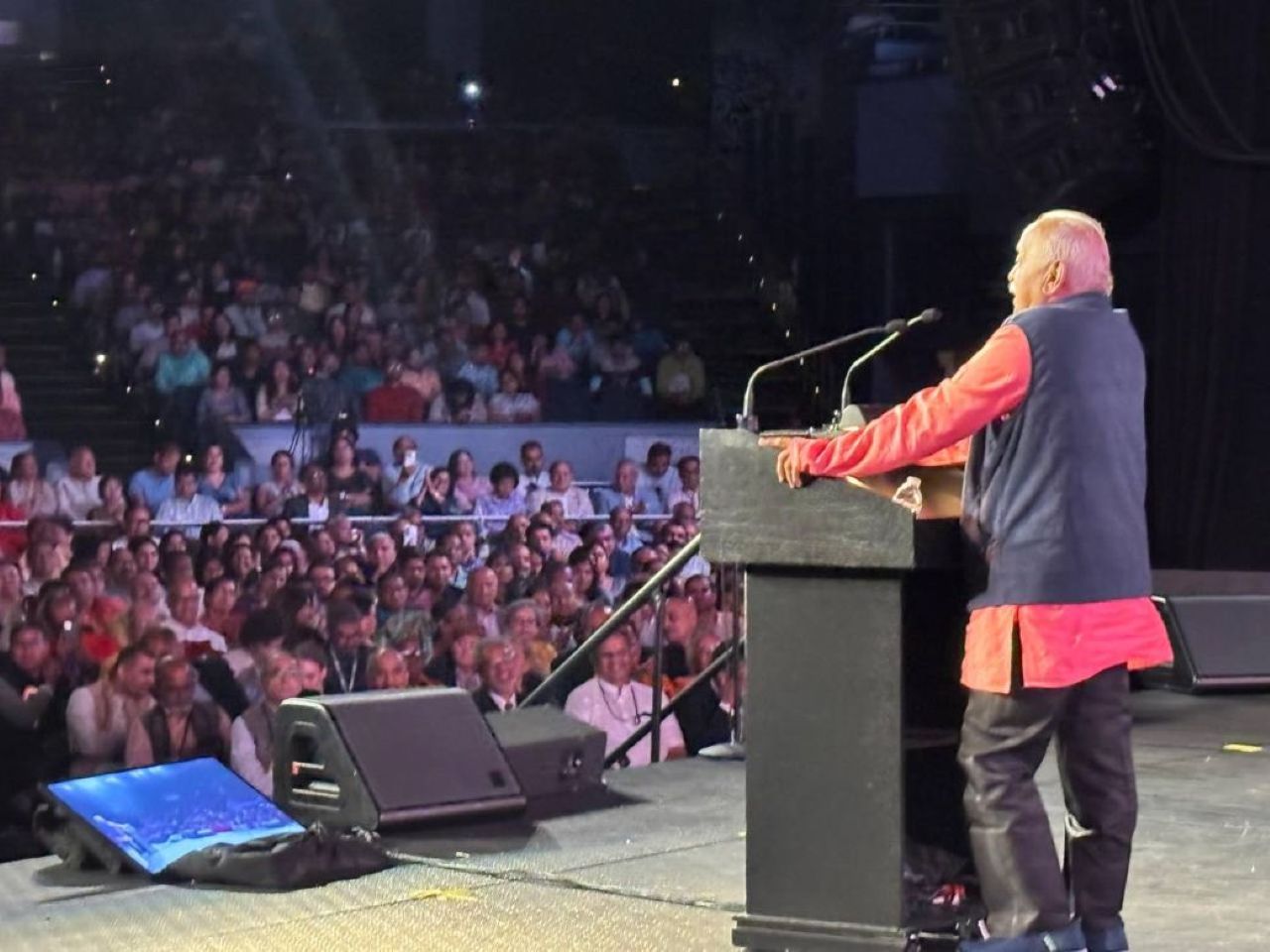
Influence cannot be manufactured through diaspora networks, carefully branded events or political donations. It requires honesty and credibility.
ADNOC’s strong numbers underline a strategy built on higher output, shipping gains and new routes that sidestep the risky Strait of Hormuz.