/
•
•
Detailed stories on technology startups, business and economic current affairs.
Why giving in to the hue and cry over "Chinese" smartphones would be a big mistake for India



Editor's note: Micromax was flying high in 2014 as the second-biggest player in the Indian mobiles market. As a marketing and public relations coup, it had signed up Hollywood A-lister Hugh Jackman as its brand ambassador promoting its popular Canvas series of smartphones. It had hired Vineet Taneja, head of Samsung Electronics’s mobile business in India, as its CEO. Micromax had a 13% share of the mobile phone market—including both smartphones and the older feature phones—the fourth quarter of 2014. Four Indian brands, Micromax, Karbonn, Lava and Intex, accounted for around a third of the overall mobiles market. South Korean Samsung, the largest player, was at 19% market share. Of the Indian companies, Micromax, Intex and Lava had established a presence in the growing smartphone market, and the three together had a 33% market share. Samsung was No. 1 here as well, with 22% on its own. However, in that fourth quarter, a new entrant made its debut at No. 5, after Samsung and the Indian trio—Beijing-headquartered Xiaomi with a 4% market share. Fast-forward to the present, with the Indian government banning …
Why giving in to the hue and cry over "Chinese" smartphones would be a big mistake for India
Editor's note: Micromax was flying high in 2014 as the second-biggest player in the Indian mobiles market. As a marketing and public relations coup, it had signed up Hollywood A-lister Hugh Jackman as its brand ambassador promoting its popular Canvas series of smartphones. It had hired Vineet Taneja, head of Samsung Electronics’s mobile business in India, as its CEO. Micromax had a 13% share of the mobile phone market—including both smartphones and the older feature phones—the fourth quarter of 2014. Four Indian brands, Micromax, Karbonn, Lava and Intex, accounted for around a third of the overall mobiles market. South Korean Samsung, the largest player, was at 19% market share. Of the Indian companies, Micromax, Intex and Lava had established a presence in the growing smartphone market, and the three together had a 33% market share. Samsung was No. 1 here as well, with 22% on its own. However, in that fourth quarter, a new entrant made its debut at No. 5, after Samsung and the Indian trio—Beijing-headquartered Xiaomi with a 4% market share. Fast-forward to the present, with the Indian government banning …

Brands are struggling amid plunging prices of lab-grown diamonds, poor margins, intense competition, shaky global demand and a domestic market where tradition continues to shape buying decisions.
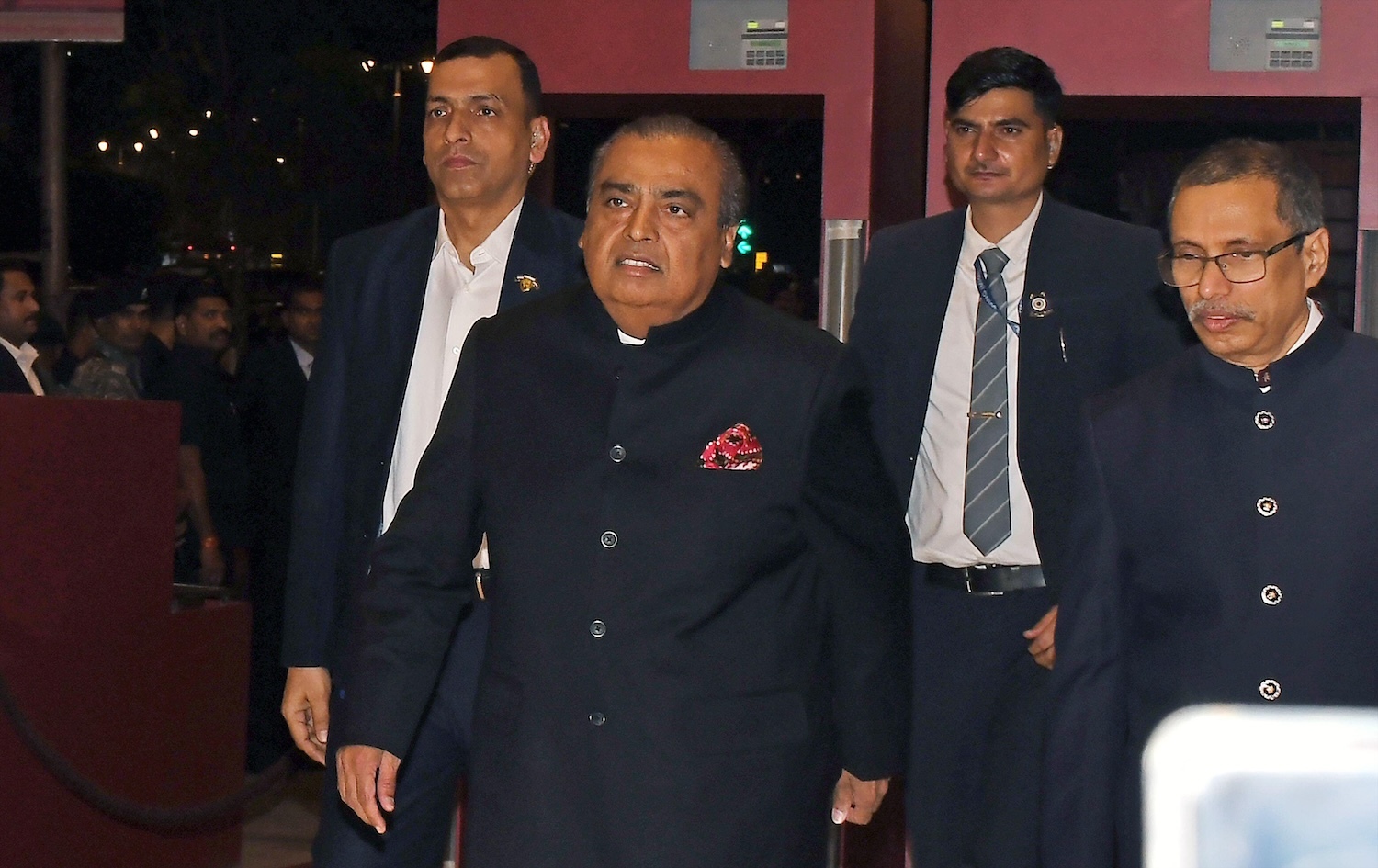
While the Rs 9,000 crore promoter investment in Q1 brings a measure of reassurance, investors will still have to wait for Jio and retail to work through their challenges.
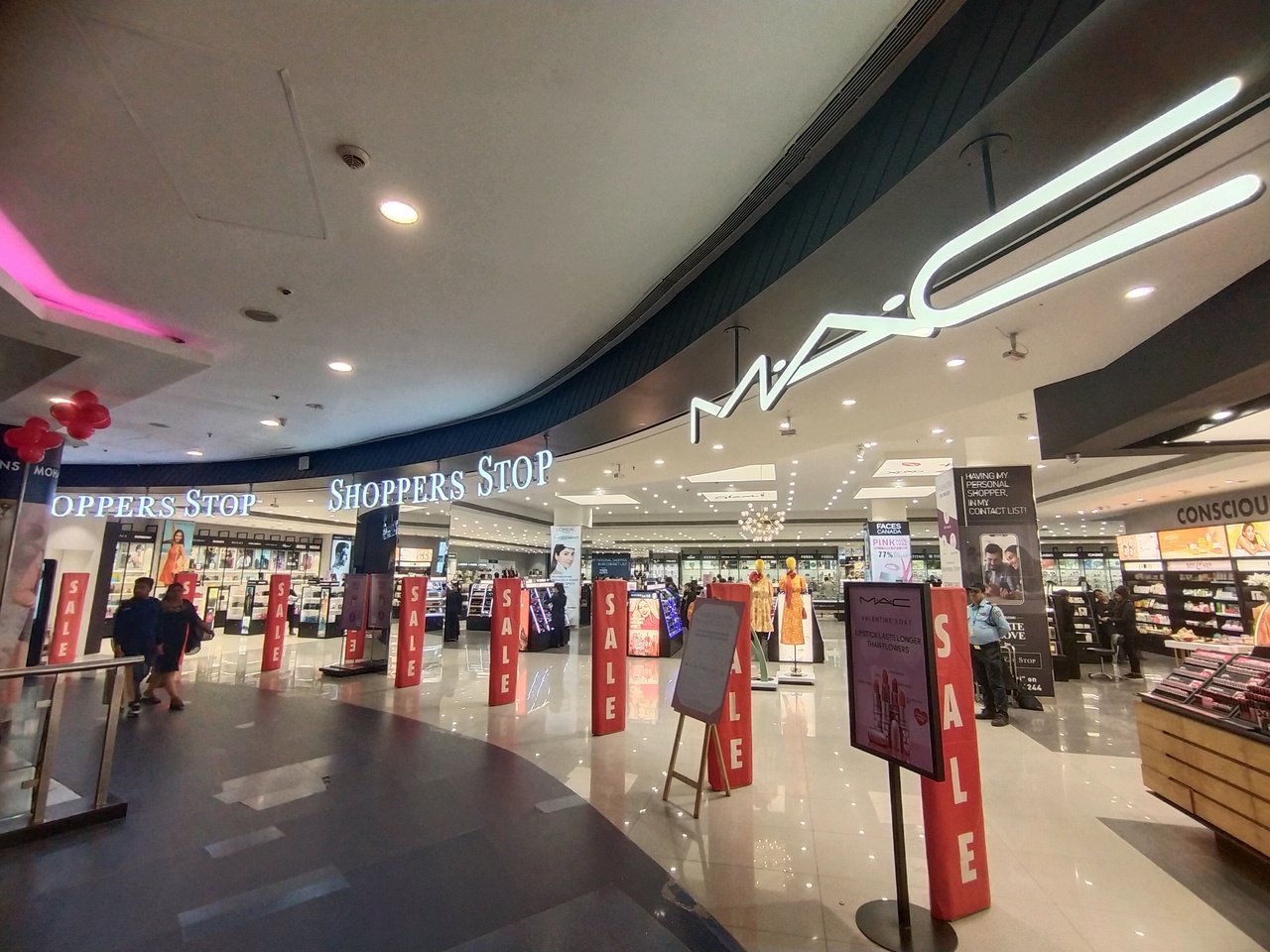
The department store chain’s only growth engine is powered by distribution, not stores—raising questions about sustainability and profitability.
Brands are struggling amid plunging prices of lab-grown diamonds, poor margins, intense competition, shaky global demand and a domestic market where tradition continues to shape buying decisions.
While the Rs 9,000 crore promoter investment in Q1 brings a measure of reassurance, investors will still have to wait for Jio and retail to work through their challenges.
The department store chain’s only growth engine is powered by distribution, not stores—raising questions about sustainability and profitability.