/
•
•
Detailed stories on technology startups, business and economic current affairs.
Once the preserve of big, institutional investors, it is now being embraced by retail investors who view it as a casino opportunity. But will the regulatory vacuum crash the party?




Utsav Kapoor, a 28-year old IIT graduate and resident of Chandigarh, was hit by a double whammy during the first phase of the pandemic last year. He lost his high-paying job and his bet on quick gains from the stock market went horribly wrong; his entire savings of Rs 25 lakh got wiped out on the new stock market fad of retail algorithmic trading, or retail algo.
His account and subsequent complaints to the markets regulator and exchanges were widely circulated on WhatsApp groups. They were met with equal parts outrage and ridicule. The proponents of retail algo called them …


Thinly traded listed entities have long served as breeding grounds for stock manipulation, hurting investors. The regulator, the NSE and BSE now want to fix things by focusing on efficient delisting.

The newly announced levy on UPI payments undermines the very foundation of using digital payments for stock market investing. Brokers are in a tizzy.
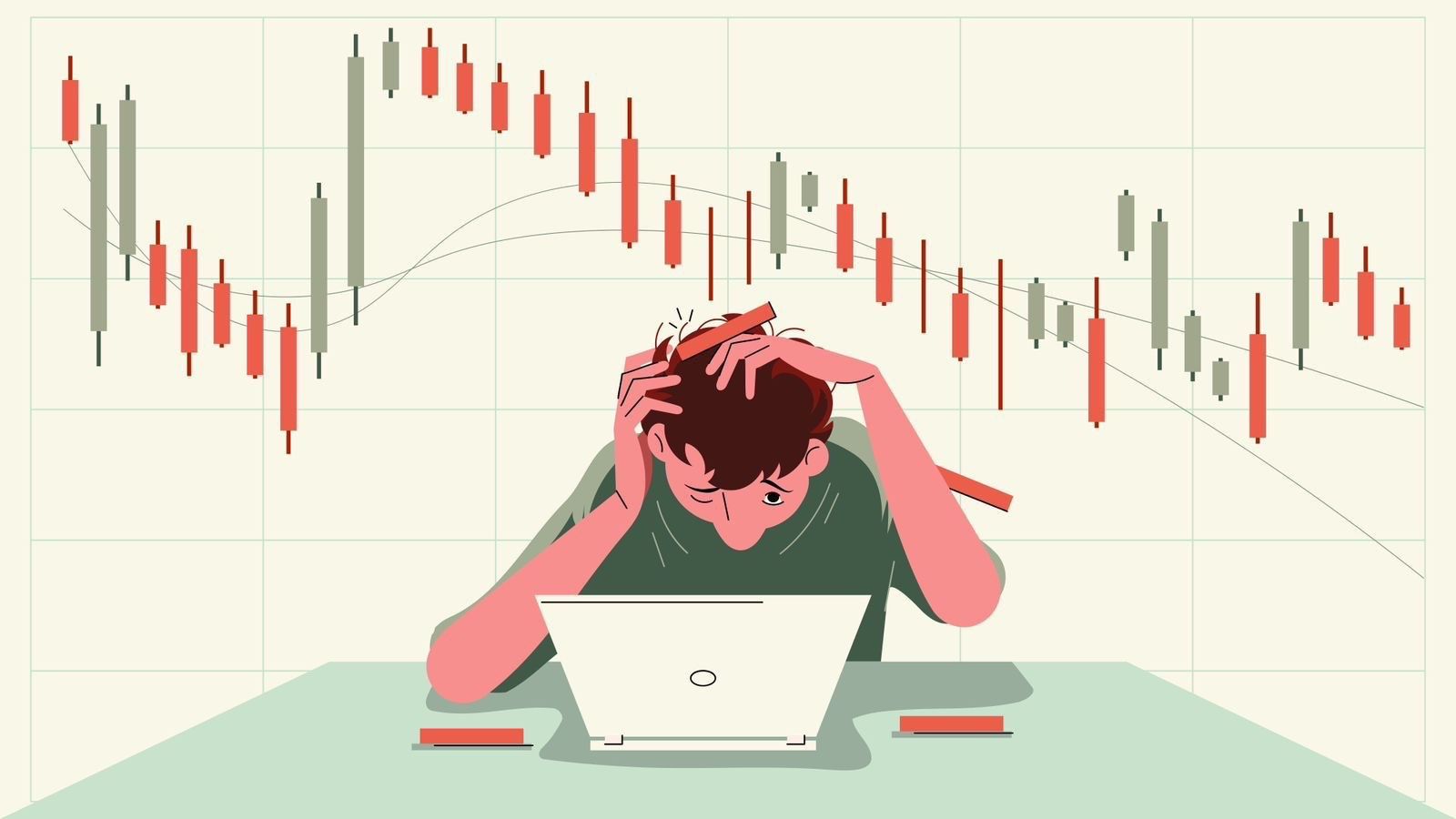
A month on, CAS has only amplified volatility, manipulation and confusion rather than containing them.