/
•
•
Detailed stories on technology startups, business and economic current affairs.
CEO Murali Ramakrishnan’s sudden decision to step down leaves the bank with an unfinished turnaround and rampant unionism, putting a question mark on its future.




Murali Ramakrishnan, the managing director and CEO of South Indian Bank, is no Aditya Puri. Yet, the reaction of the stock market to the Thrissur-headquartered bank’s announcement that he had opted against renewing his contract was as if the much celebrated former head of HDFC Bank had stepped down. South Indian Bank’s shares saw a 17% fall intraday on 29 March, a day after the announcement.
The announcement itself did not give away much. “This is to inform that the Board of Directors of the Bank, in their meeting held today, i.e., March 28, 2023, considered the request of Murali …
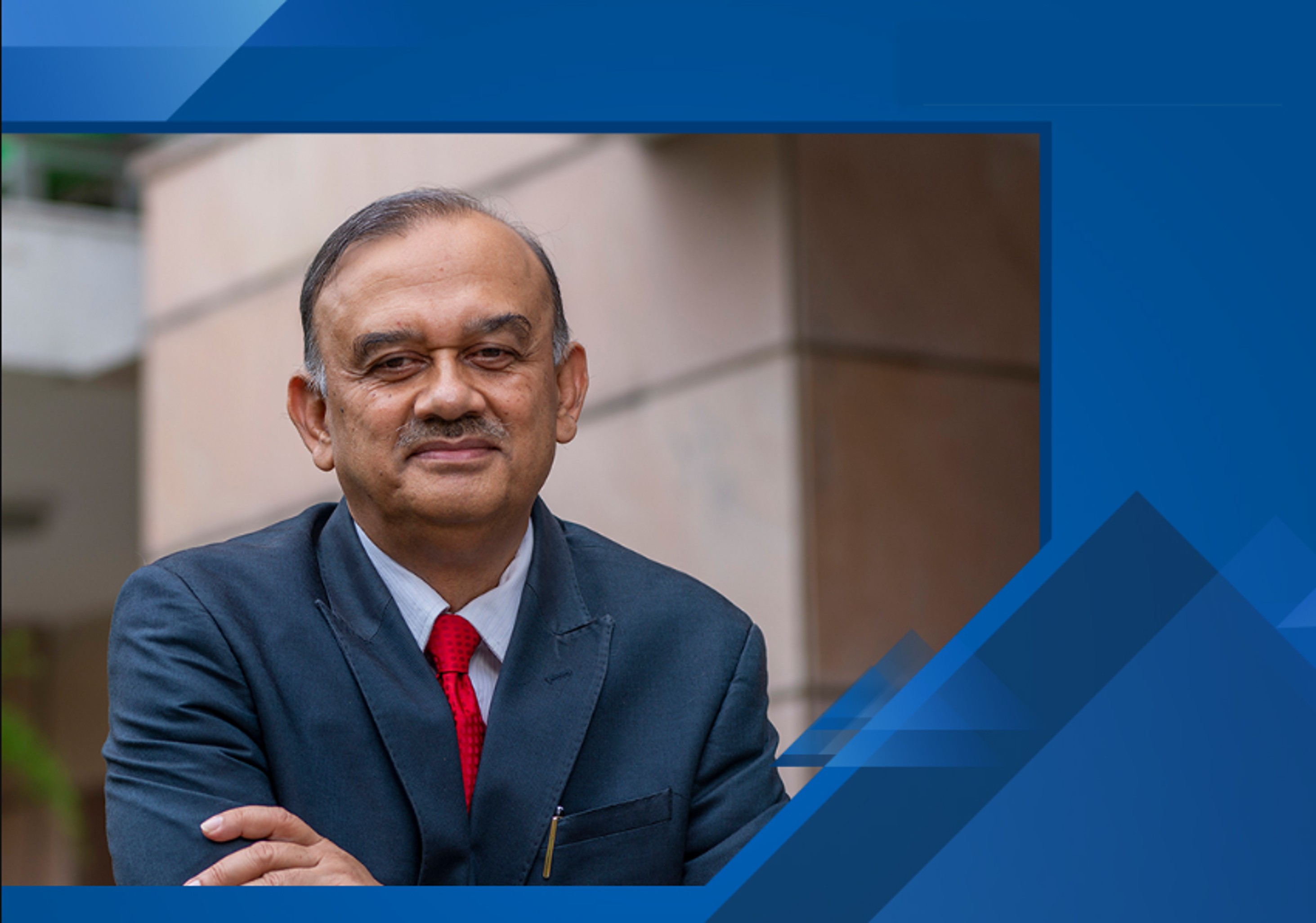
Atanu Chakraborty’s resignation does not appear as damaging as the bank’s response to it. The ‘all is well’ narrative needs an independent audit.

The increasing convergence of sales and service functions, with consequent non-stop pressure to meet targets, has seen employees jump ship in droves. This has the potential to adversely impact the financial institutions’ health.

The bank, following its March 2020 bailout, may have gone overboard in its quest for safety. That may soon change as it looks to acquire a microfinance business with the promise of high returns.