/
•
•
Detailed stories on technology startups, business and economic current affairs.
Several Mauritius-based investment funds have Gautam Adani-led companies as over 90% of their portfolios. Why?




What would you call it if, year after year, certain foreign funds invested the bulk of their assets in the companies belonging to one corporate group? Despite the stocks reaching all-time highs, these funds have seldom booked profits and reduced their holding in the group companies.
That is just what a set of foreign funds or foreign portfolio investors (FPIs in market parlance) who appear to be obsessed with stocks of Adani Group companies have done. Despite the recent rally in the Adani stocks, when the group entered the coveted $100 billion dollar club, these funds have rarely booked profits. …

A month on, CAS has only amplified volatility, manipulation and confusion rather than containing them.
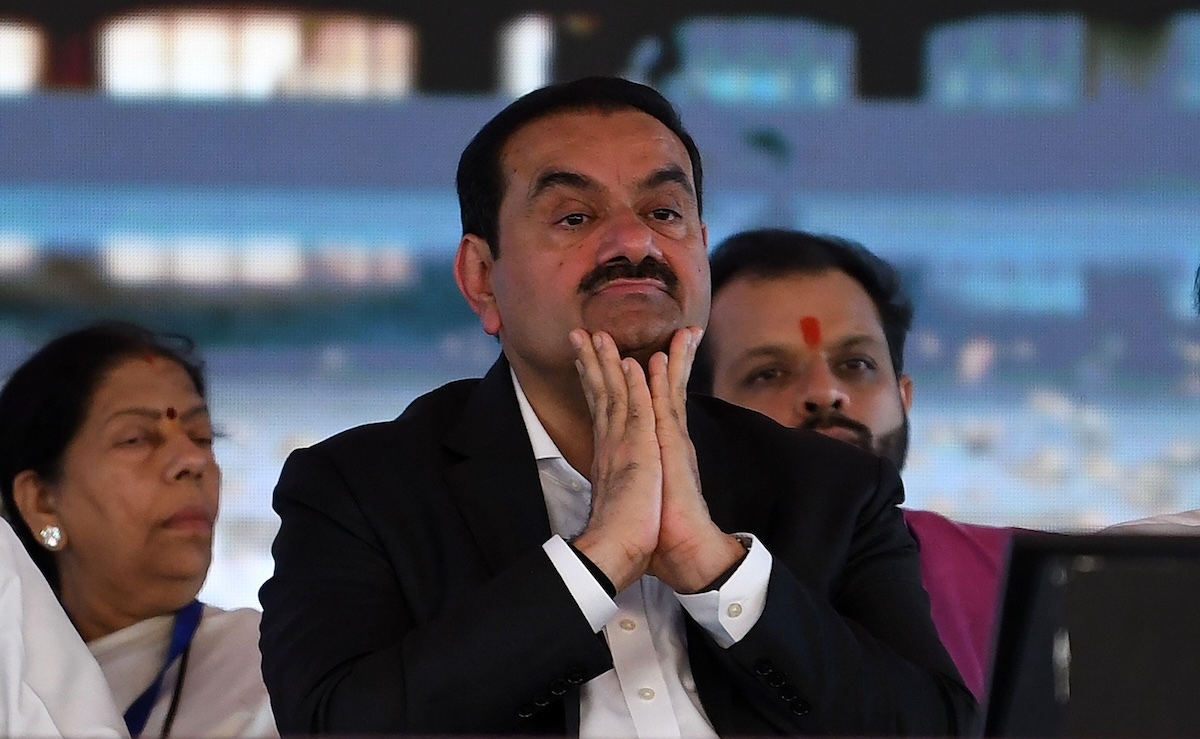
A regulatory easing could see the billionaire’s conglomerate move from running airports to owning an airline—an idea he is warming up to, with multiple options open.
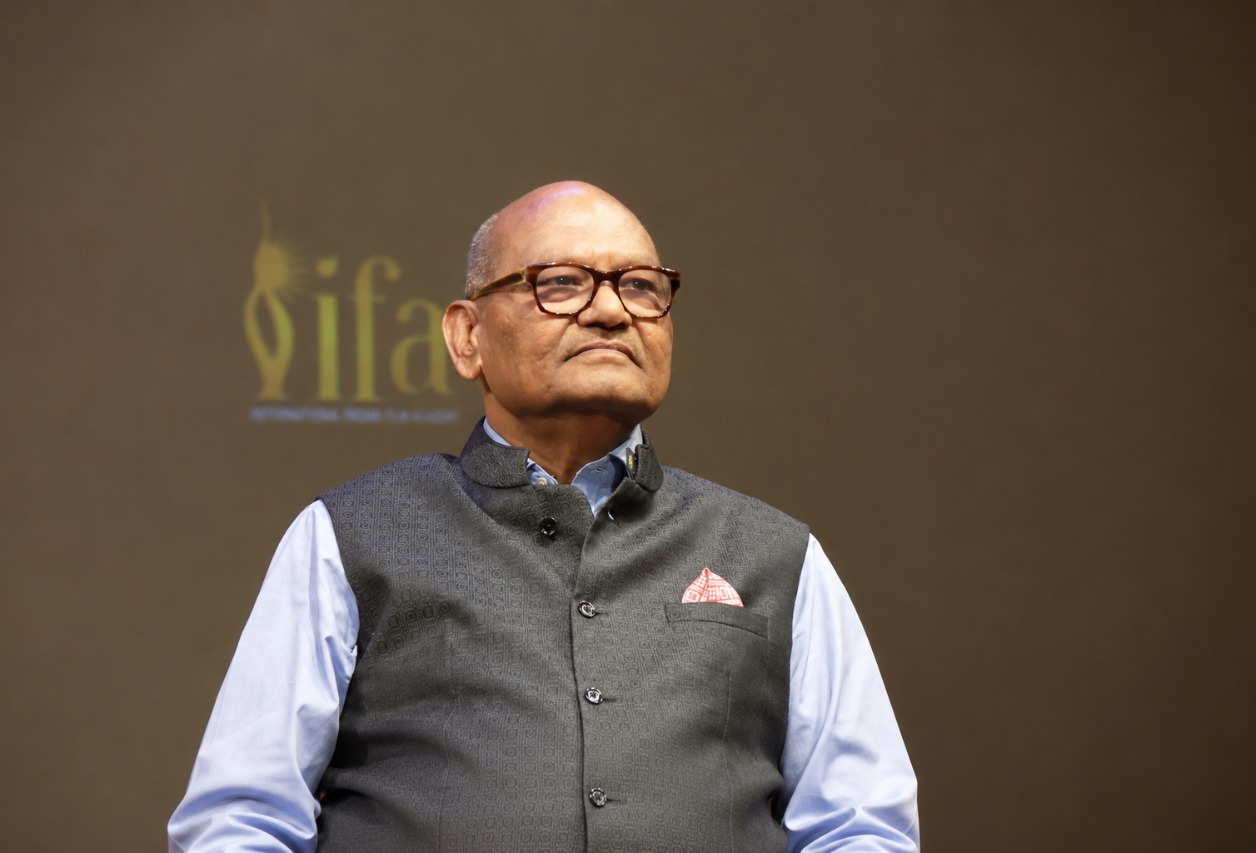
After a strong listing, Vedanta Aluminium Metal is running into some headwinds. Aluminium prices are easing, but the sharper challenge is rising competition from Kumar Mangalam Birla and Gautam Adani.