/
•
•
Detailed stories on technology startups, business and economic current affairs.
The troubled private sector bank is way ahead of its peers in terms of mechanisms to tackle climate risks, but is failing to follow up on its early moves.




Yes Bank has had a tumultuous last few years. Burdened with bad loans, the private sector lender was staring at a complete collapse before interventions from the Reserve Bank of India set in motion a restructuring of the top management and pulled it back from the brink. Since then, it has been a long road back to fitness.
And, yet, in the backdrop of all that chaos, Yes Bank managed to do something most Indian banks could not: Start preparing for the worst impacts of climate change.
A new analysis of India's 34 banks by Climate Risk Horizons shows that …
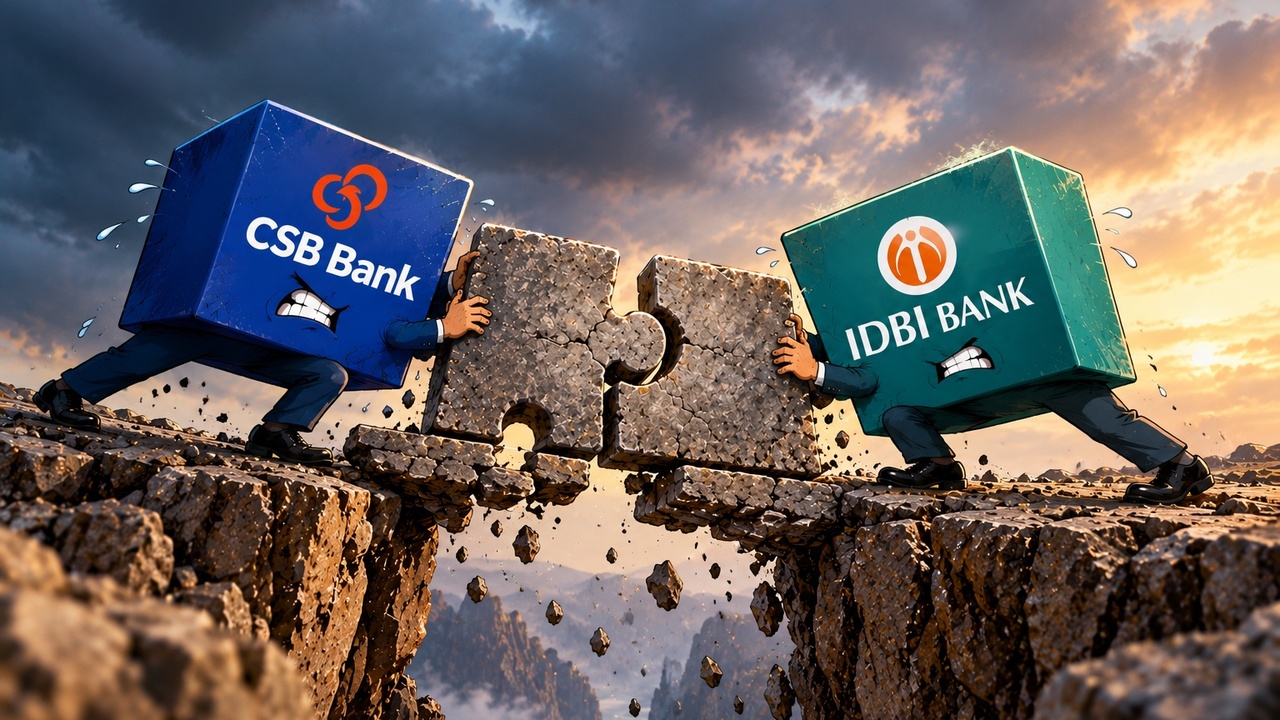
The acquisition of IDBI Bank puts his Fairfax smack dab in the middle of the RBI’s rules on bank ownership. It must now decide whether to sell CSB Bank or merge the two lenders, neither of which will be easy.

Lenders stand to gain a lot more than borrowers in the current challenging market environment

The central bank’s shift to a 100% collateral requirement threatens to erode leverage, reduce volumes and force a consolidation across prop desks.