/
•
•
Detailed stories on technology startups, business and economic current affairs.
A majority of us are conditioned to believe that better immunity will shield us against COVID-19. This is dangerous



Editor's note: We don’t have a paywall for most of our stories on Coronavirus and its impact. Support us and subscribe here. It’s not called “novel” without reason. In the four months since it surfaced, the newest addition to the coronavirus family—which ranges from some varieties of the common cold to the Middle East respiratory syndrome, or MERS—continues to gobsmack. The latest discovery about the novel coronavirus or COVID-19 is that it can cause a loss of smell and taste. We learnt, prior, that silent or asymptomatic transmission is a threat. And that it, unlike its family members, affects the windpipe and lungs (lower airways) as much as it does our throat, nose and sinuses (upper airways). COVID-19 can rob our lungs of oxygen, fill them with fluid, and give us acute respiratory distress syndrome. We were told high blood pressure is a risk factor. Now it seems that isn’t so. As the virus goes from being an acquaintance to a squatter, modern medicine runs pillar to post. Our complex brains are being challenged by a virus with a single strand of …

A majority of us are conditioned to believe that better immunity will shield us against COVID-19. This is dangerous
Editor's note: We don’t have a paywall for most of our stories on Coronavirus and its impact. Support us and subscribe here. It’s not called “novel” without reason. In the four months since it surfaced, the newest addition to the coronavirus family—which ranges from some varieties of the common cold to the Middle East respiratory syndrome, or MERS—continues to gobsmack. The latest discovery about the novel coronavirus or COVID-19 is that it can cause a loss of smell and taste. We learnt, prior, that silent or asymptomatic transmission is a threat. And that it, unlike its family members, affects the windpipe and lungs (lower airways) as much as it does our throat, nose and sinuses (upper airways). COVID-19 can rob our lungs of oxygen, fill them with fluid, and give us acute respiratory distress syndrome. We were told high blood pressure is a risk factor. Now it seems that isn’t so. As the virus goes from being an acquaintance to a squatter, modern medicine runs pillar to post. Our complex brains are being challenged by a virus with a single strand of …
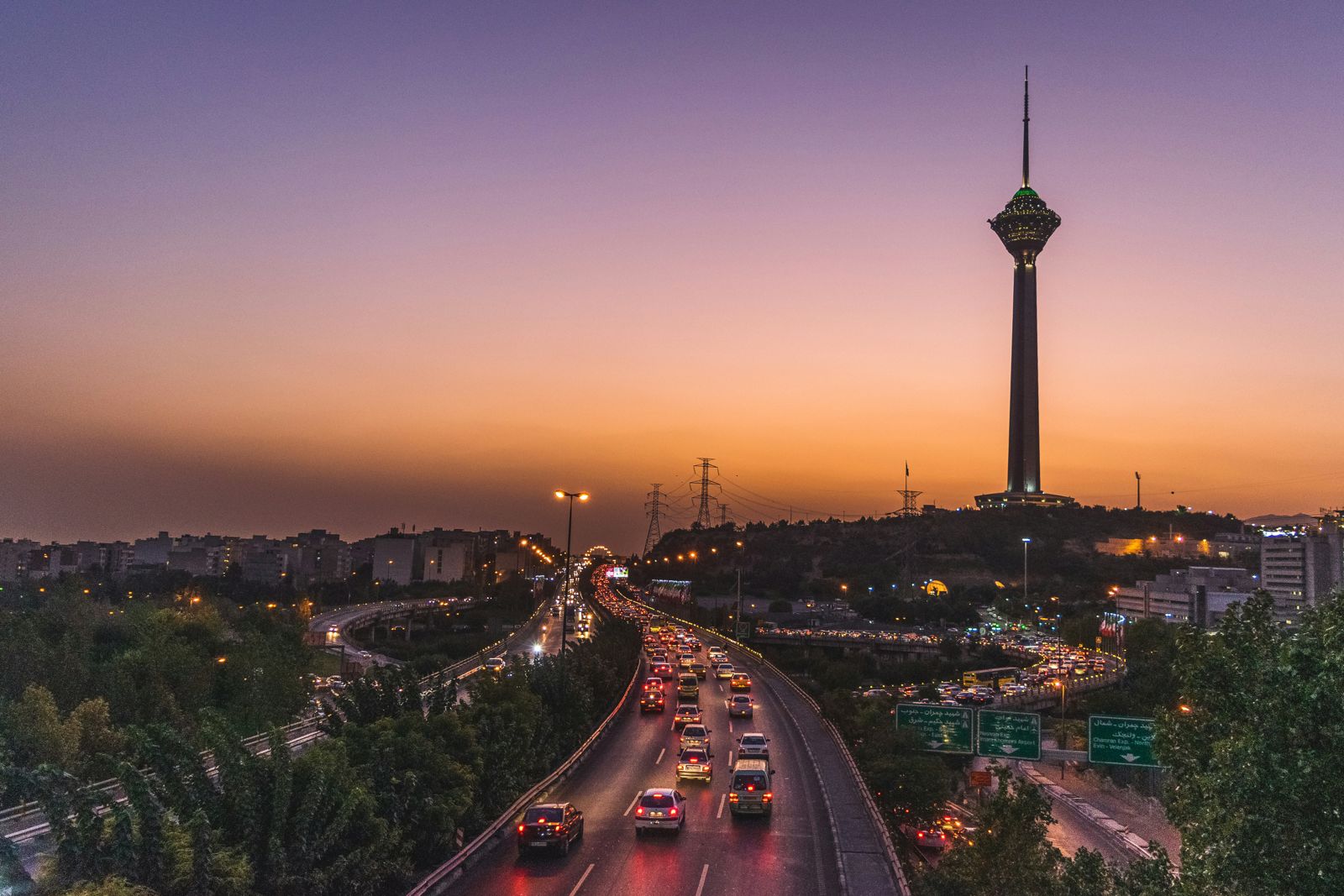

Healthcare is one of the fastest growing sectors. For young professionals, the sector offers a spectrum of opportunities beyond medicine, spanning hospital operations, data analytics, corporate strategy, and digital health.
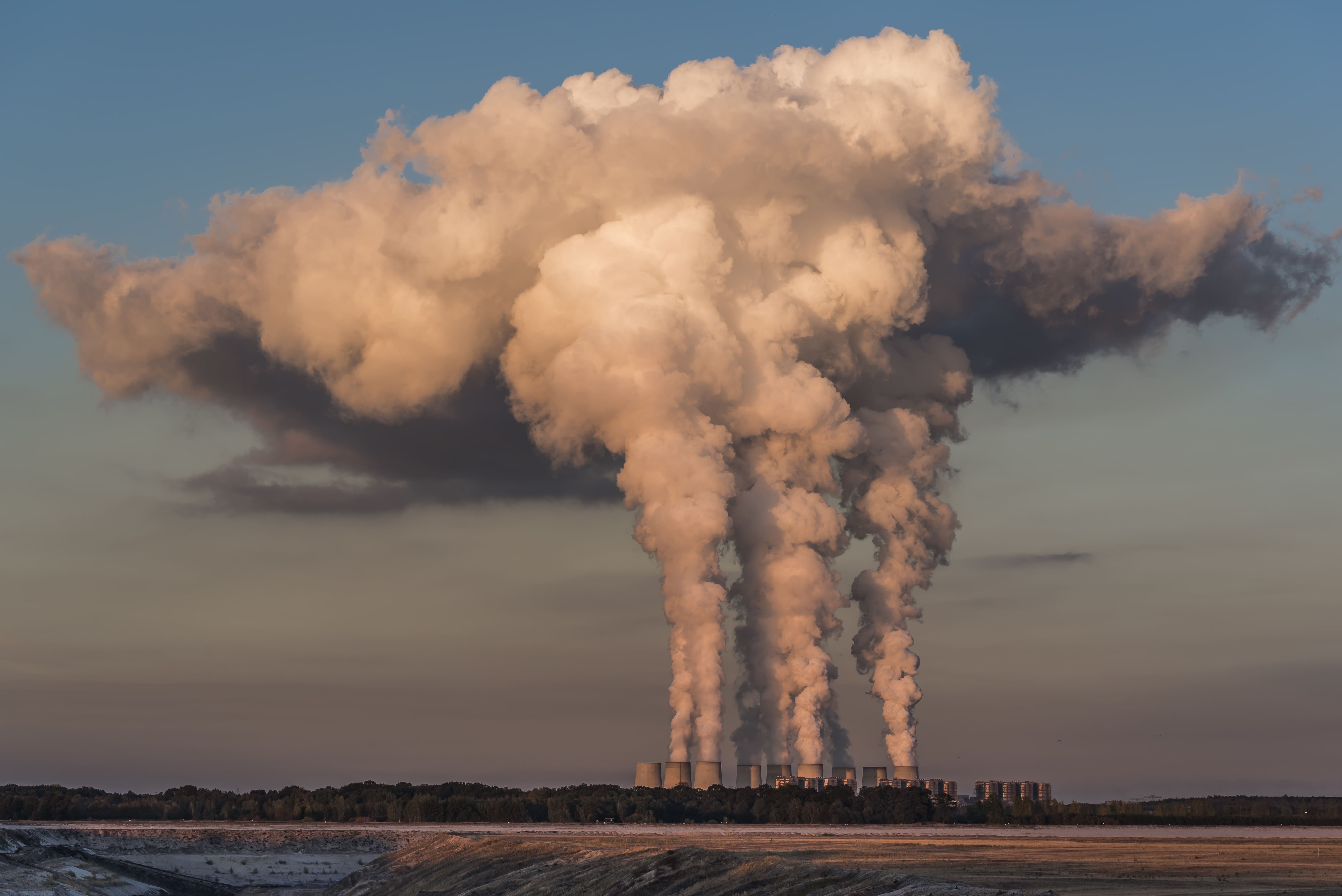
India has rolled back rules that require thermal power plants to install equipment to cut sulphur dioxide emissions, marking yet another failure in the fight against air pollution.

The guy who preyed on your insecurities and sold coding classes for your kids is back to help your loved ones fight cancer. Don’t say we did not warn you.
Healthcare is one of the fastest growing sectors. For young professionals, the sector offers a spectrum of opportunities beyond medicine, spanning hospital operations, data analytics, corporate strategy, and digital health.
India has rolled back rules that require thermal power plants to install equipment to cut sulphur dioxide emissions, marking yet another failure in the fight against air pollution.
The guy who preyed on your insecurities and sold coding classes for your kids is back to help your loved ones fight cancer. Don’t say we did not warn you.