/
•
•
Detailed stories on technology startups, business and economic current affairs.
With retail inflation still over 7%, people in lower-income groups have cut back on essentials while those who are better off are prioritizing expenses.



Editor's note: One morning earlier this month, I ran into Savita Kumari, a security guard at a gated community in Greater Noida who works a 12-hour shift. A single mother of four-year-old twins—a girl and a boy—Kumari lives with her mother in Ghaziabad, not far from Delhi. At 30, she is the sole earner. With a bachelor’s degree in English, she worked at several call centres before she got married in 2015. Four years later, she separated from her alcoholic husband, after which she was hired as a housekeeping supervisor at New Delhi’s Hazrat Nizamuddin railway station, a job that paid Rs 18,000 a month. In the first year of the COVID-19 pandemic, Kumari lost her job. Four months later, she found the security guard’s job. Now she has a new worry: stubbornly high inflation. “Most of my monthly income goes into buying food items at the beginning of the month. Once that is done, I pay the rent and my children’s school fees,” Kumari says in Hindi. Her children’s school fees, she points out, have more than doubled since last year, …


Europe’s largest fintech firm has its sights set on the Emirates. What can we expect?

The oil giant’s chief says the ongoing Mideast conflict and the consequent Strait of Hormuz disruption could have catastrophic consequences; a look at the conflict’s effect in Bahrain.
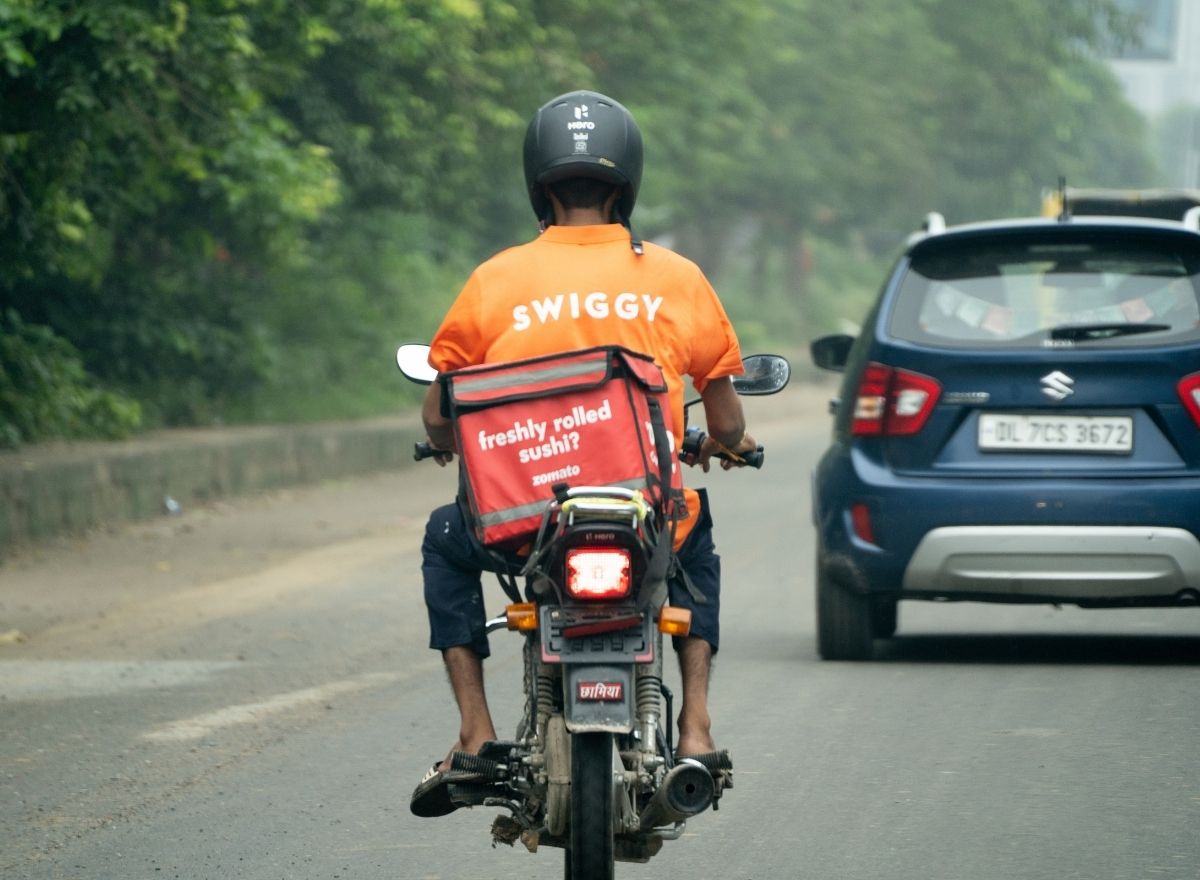
Exploitation of unskilled workers is at the heart of quick-delivery service businesses in India. They should be valued for what they are and not what they pretend to be, a trait that has taken a devious form of wanting it both ways.