/
•
•
Detailed stories on technology startups, business and economic current affairs.
The present government seems to have little need for data, especially the kind that has the potential to affect its image. The data black hole it has created could have serious consequences for governance.



Mahendra Singh was a farmer from Kuleri village in Haryana’s Hisar district. Last Saturday, while holding a protest with hundreds of farmers outside Maharaja Agrasen Medical College, in Agroha town, where deputy chief minister Dushyant Chautala attended a function, Singh died of cardiac arrest. He was in his sixties. The farmers were protesting in solidarity with tens of thousands of others who have been sitting at Delhi’s borders since 26 November, campaigning against the three farm laws passed by Parliament in September last year.
A few hours later, Prime Minister Narendra Modi called up Neeraj Chopra—son of a farmer from …
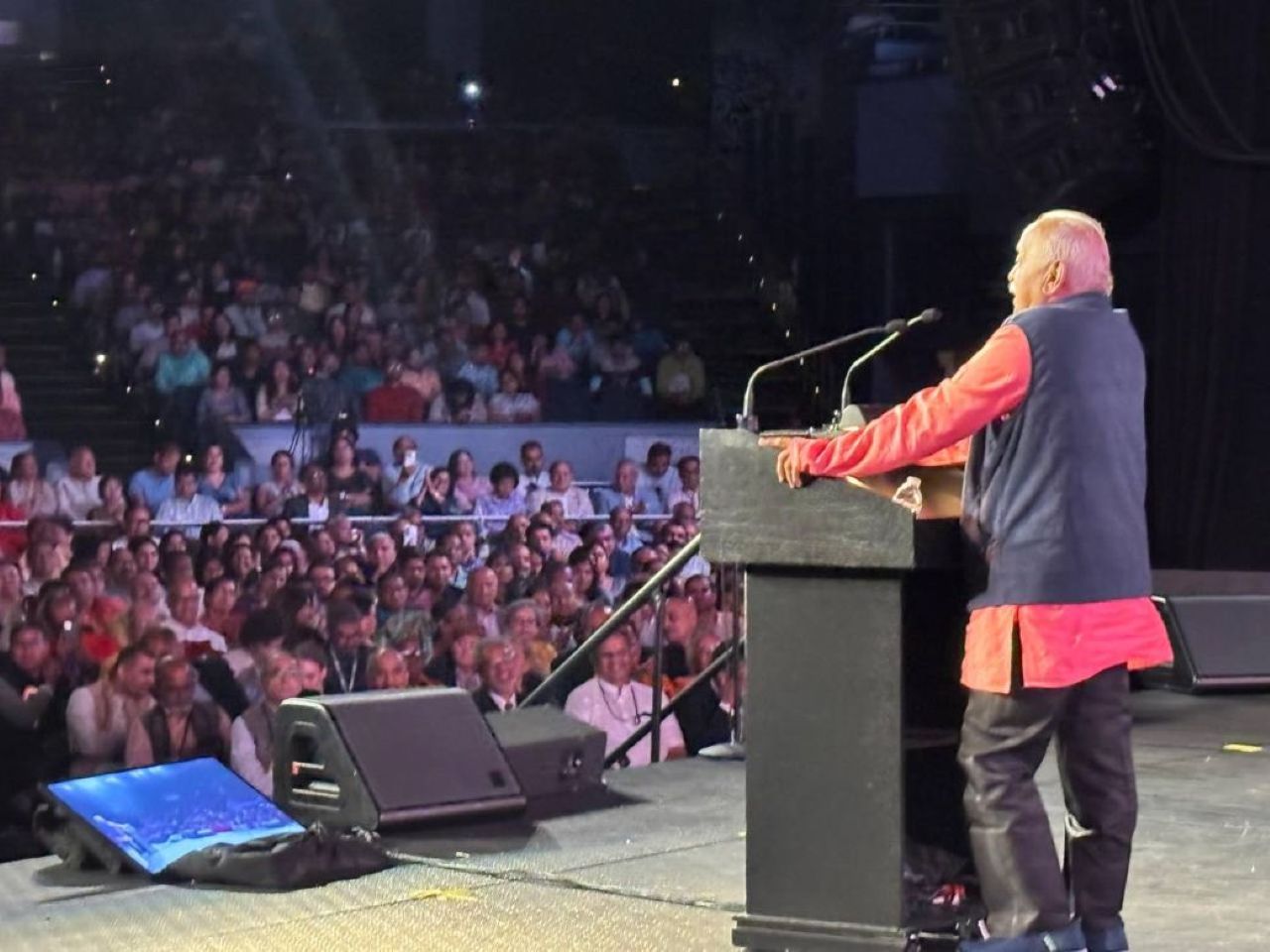
Influence cannot be manufactured through diaspora networks, carefully branded events or political donations. It requires honesty and credibility.
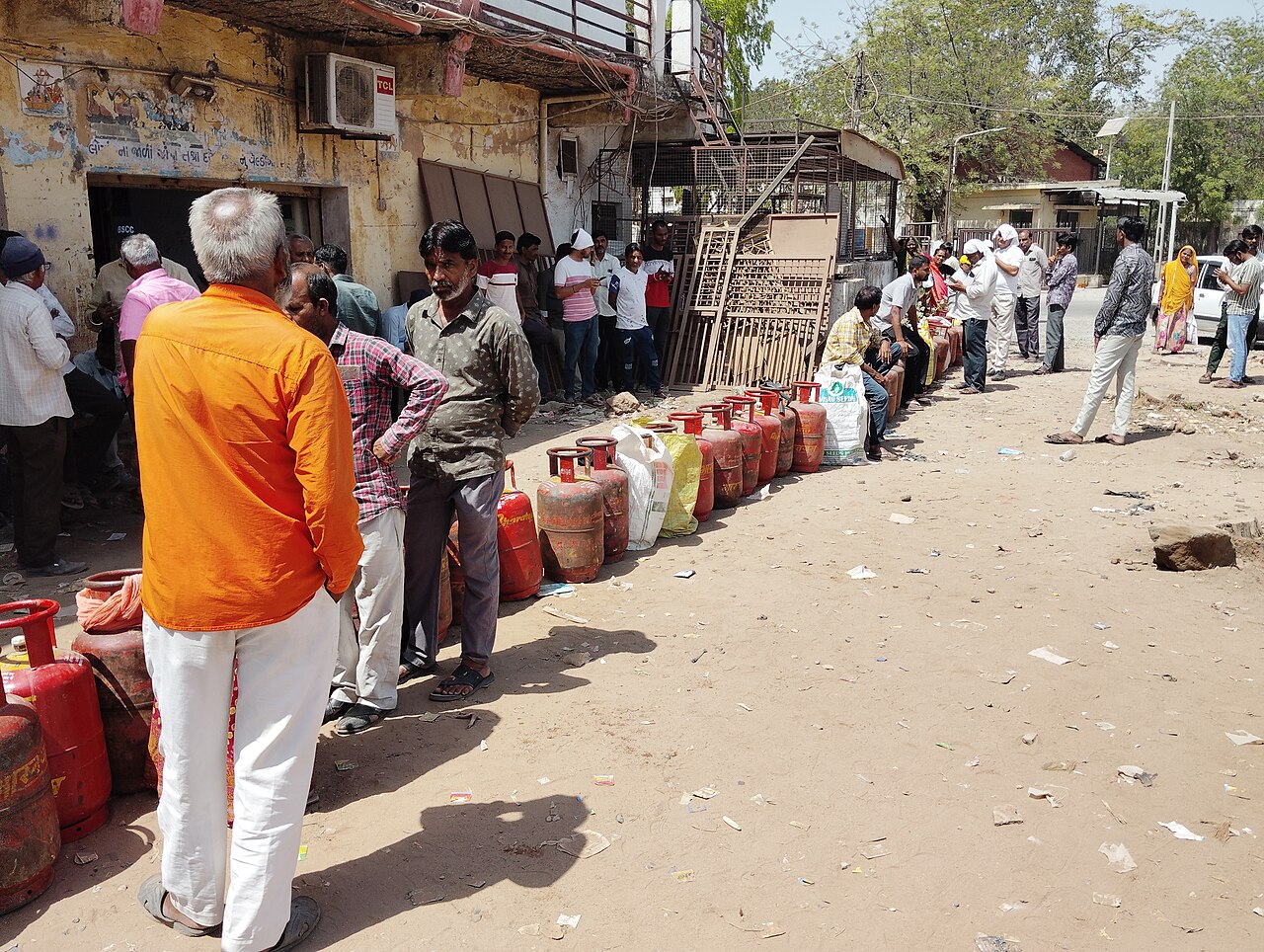
Though the war in the Gulf is pinching the Indian economy, things aren’t too bad. But much needs to be done if the situation drags on or worsens, rather than waiting for it to come to pass.

The oil giant’s chief says the ongoing Mideast conflict and the consequent Strait of Hormuz disruption could have catastrophic consequences; a look at the conflict’s effect in Bahrain.