/
•
•
Detailed stories on technology startups, business and economic current affairs.
The snubbing of Amazon and Jeff Bezos by the government is perplexing



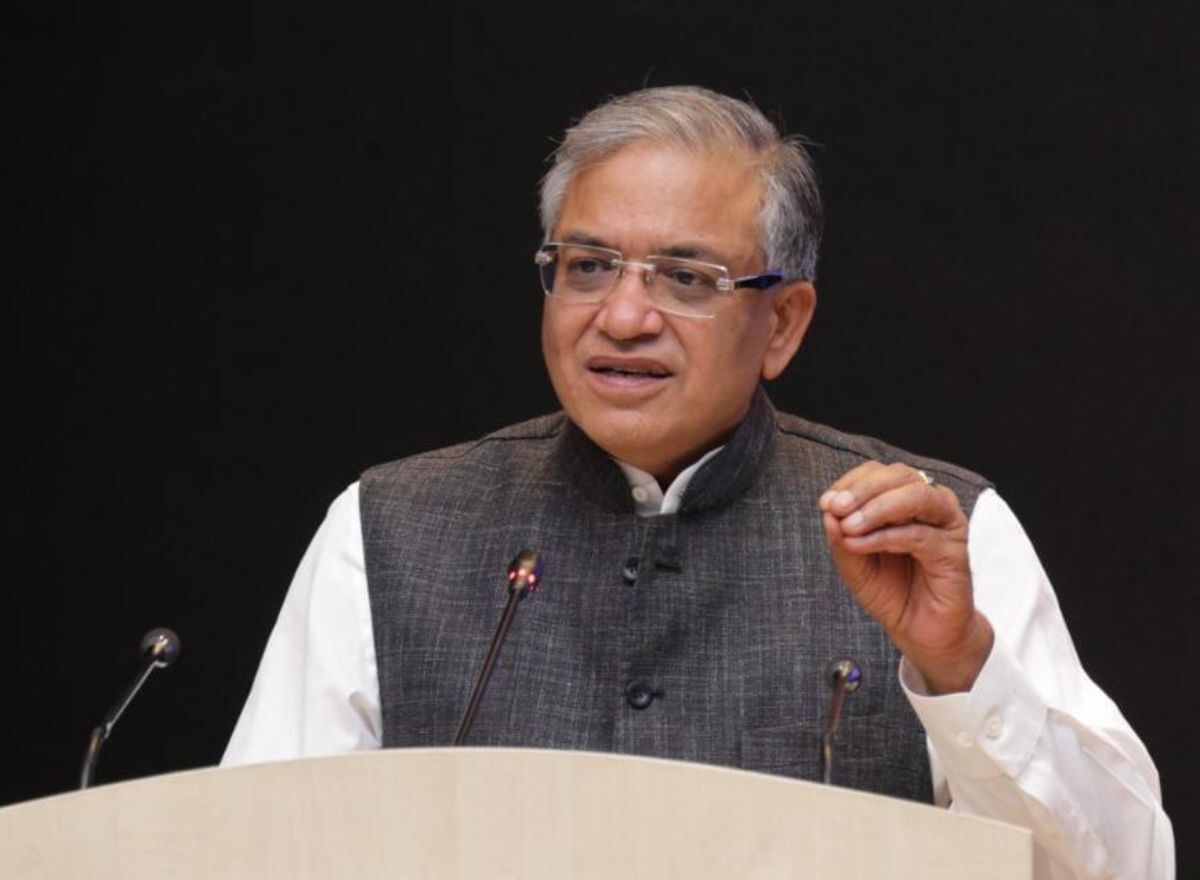
In 2016, during his fourth visit to the US after coming to power in 2014, Indian Prime Minister Narendra Modi spoke about his government’s efforts to maintain prudent macroeconomic policies and improve the investment climate in the country. The Indian economy was doing alright. The outlook was okay, even positive. The prime minister was buoyant and extremely bullish on the future.
At the US-India Business Council’s 41st Annual Leadership Summit, Modi said India would continue to make progress on improving the investment climate and ease of doing business. During that summit, a beaming Modi presented the Global Leadership Award …
The Walmart-owned e-commerce company has entered microdramas and food delivery. Is it thinking long-term or just chasing a trend?
As the smart fan maker gears up for an IPO, prospective investors could do with some clarity on what the company’s next phase of growth will look like.
The retailer has shrunk operations to fix its loss-making vertical. But a reduced presence risks hurting volumes in a segment dominated by Blinkit and Instamart.