/
•
•
Detailed stories on technology startups, business and economic current affairs.
An honest guide to coping with the pandemic-enforced digital workplace



I remember when I was growing up in the US in the 1990s, our household had one desktop computer, a dial-up internet connection and long-distance phone calls to my grandmother in China was an expensive luxury we scheduled twice a month. Today, our consciousness partially exists online through every single one of our smart devices. Sometimes it can feel like we are overly connected, particularly in the way work invades our life by tethering us to our projects and our colleagues and our employers at all hours of the day.
But all complaints of over-connected, overly digital life suddenly ended …

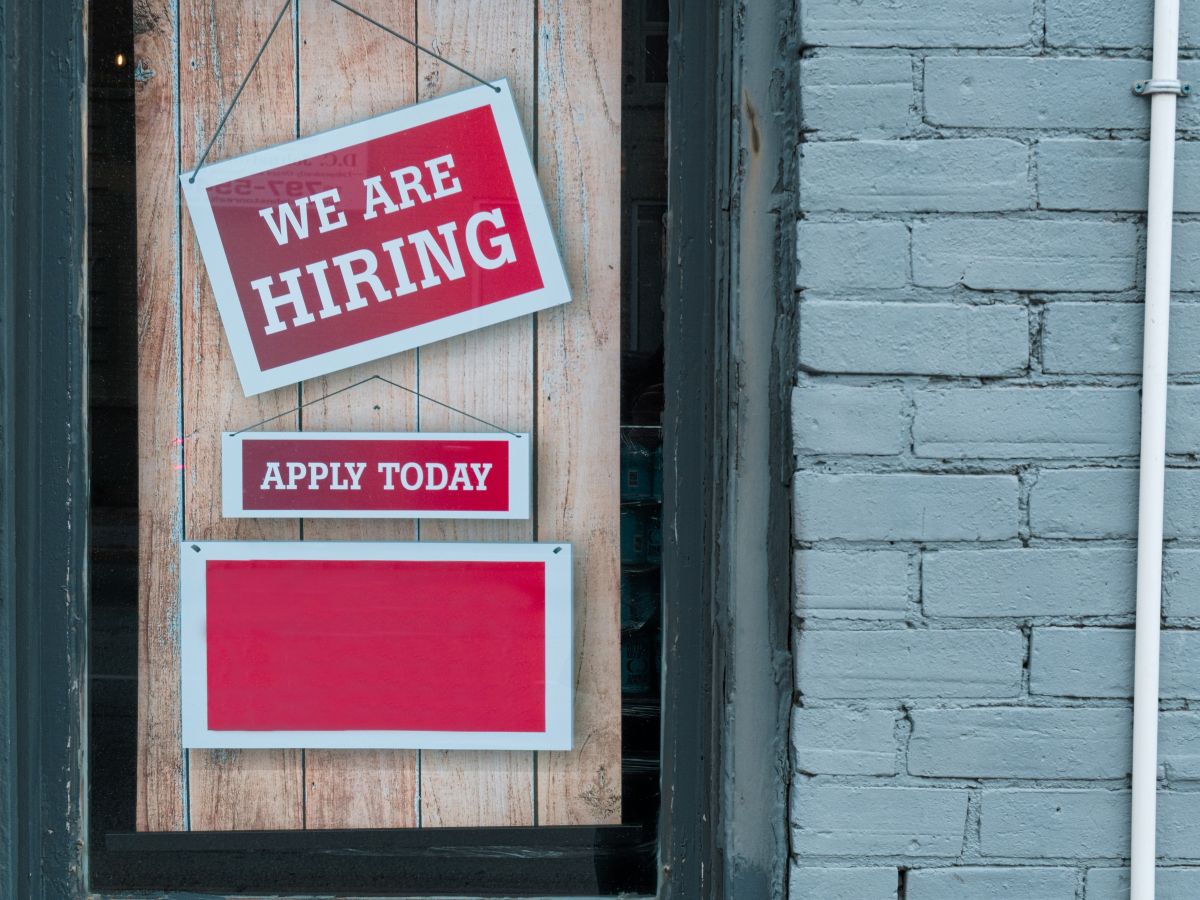
The country has it all—a growing economy, an influx of global firms and more—but it can't crack the salary game.

A whole new wave of students is arriving from geographies and demographics never seen before in the Emirates, drawn not just by opportunity but also because of geopolitical and economic crises back home.

Indian youngsters are experimenting with newer D2C brands like never before. Bewakoof’s early success and its 2022 acquisition by retail giant Aditya Birla Fashion should have given it the edge, but the company has been left behind.