/
•
•
Detailed stories on technology startups, business and economic current affairs.
Corporate environment responsibility guidelines for companies are suddenly dumped by the environment ministry months after it stoutly defended them in the Delhi HC.




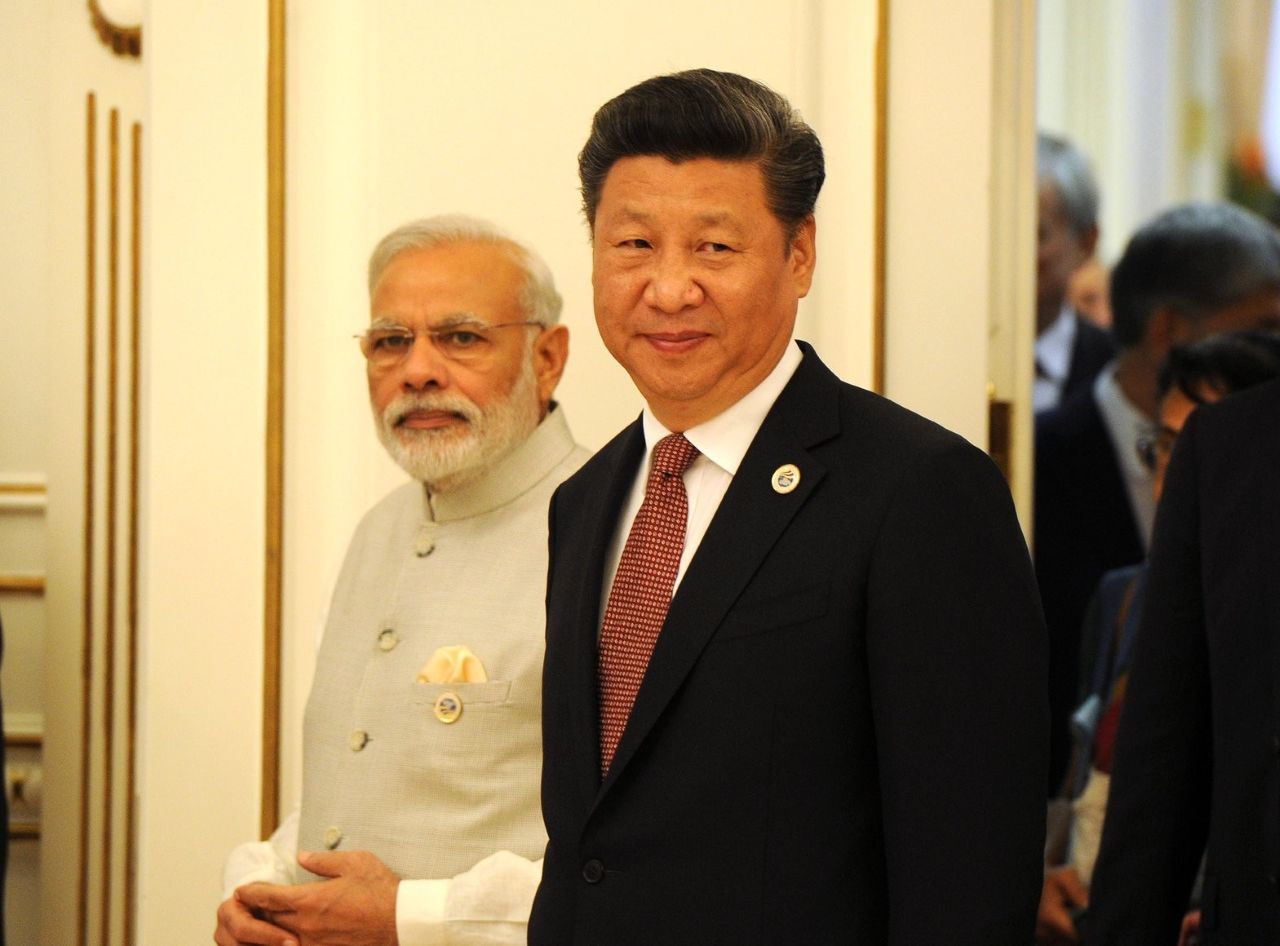
More than five months after the environment ministry strongly defended its corporate environment responsibility, or CER, guidelines in the Delhi High Court, environment minister Prakash Javadekar asked his officials to scrap them following a letter from Rajju Shroff, the founder of United Phosphorus Ltd, or UPL, according to official documents accessed by The Morning Context.
Published in May 2018, the CER guidelines mandated companies to spend between 0.25% and 2% of their projects’ capital investment towards activities that could mitigate adverse impacts on people and the environment in their immediate surroundings. The exact percentage of investment to be spent as …

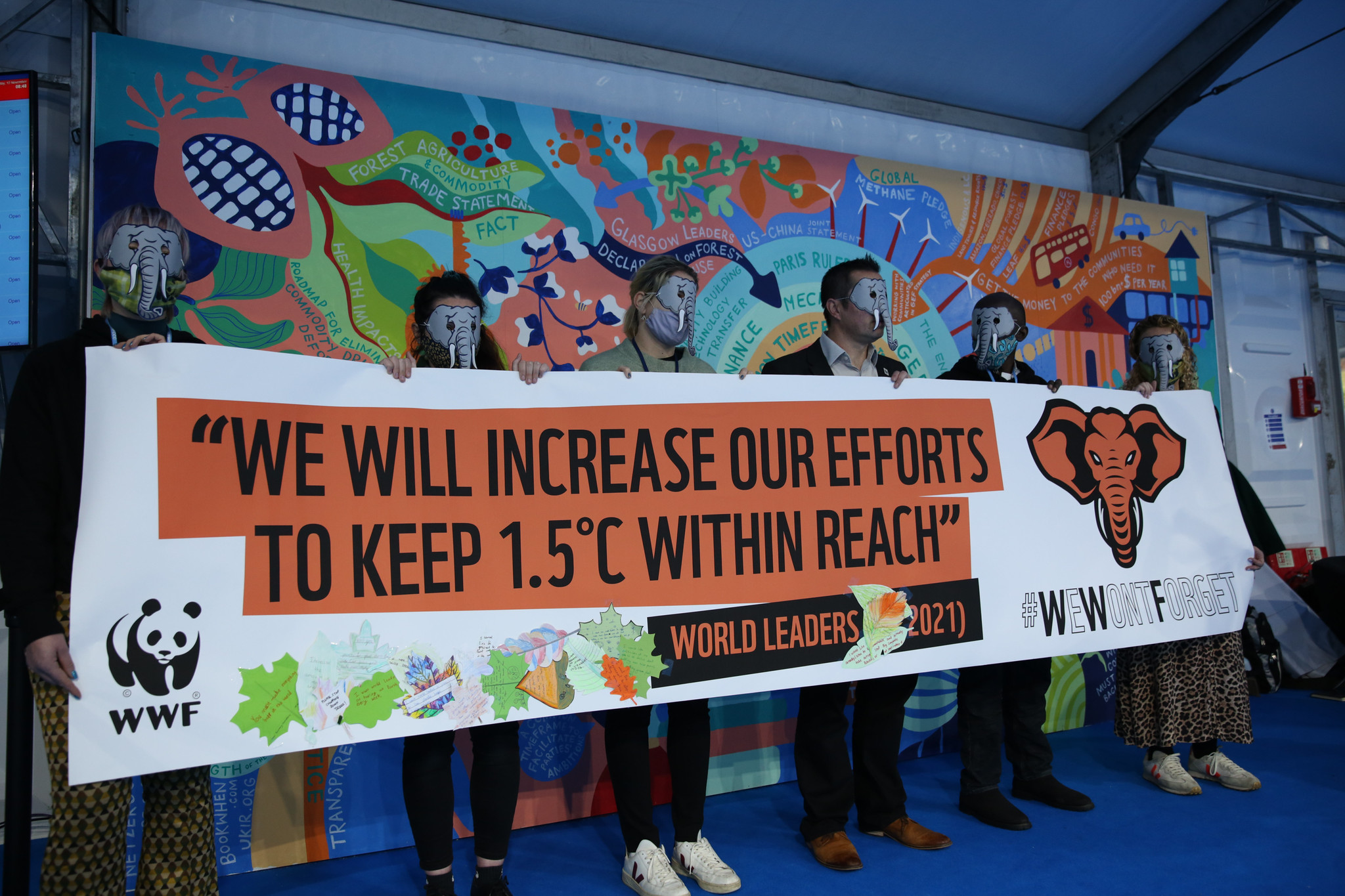
The window to prevent the worst impacts of climate change has shut. The heat is on global leaders at the annual climate talks in Brazil to deliver more than just theatre.

The Kanjurmarg landfill, operated by Antony Waste Handling Cell Ltd., is safe from the axe for now. But its fate remains a major source of worry for the company's shareholders and the city's residents alike.

An environmental hazard has spawned the need for these quick fixes, but do they really work?