/
•
•
Detailed stories on technology startups, business and economic current affairs.
These domestic failures—breeding economic inequality, tepid growth, poor research and development, low productivity and declining manufacturing—eventually constrain India's international leverage, forcing reactive diplomacy disguised as strategic autonomy.



When Rajiv Gandhi visited Beijing in December 1988, he broke a decades-long diplomatic freeze that had defined India-China relations since the 1962 war. That historic visit established the framework for managing border disputes while expanding cooperation in trade, culture and technology transfer. Gandhi's approach compartmentalized tensions, enabling both nations to pursue mutual benefits despite unresolved territorial claims.
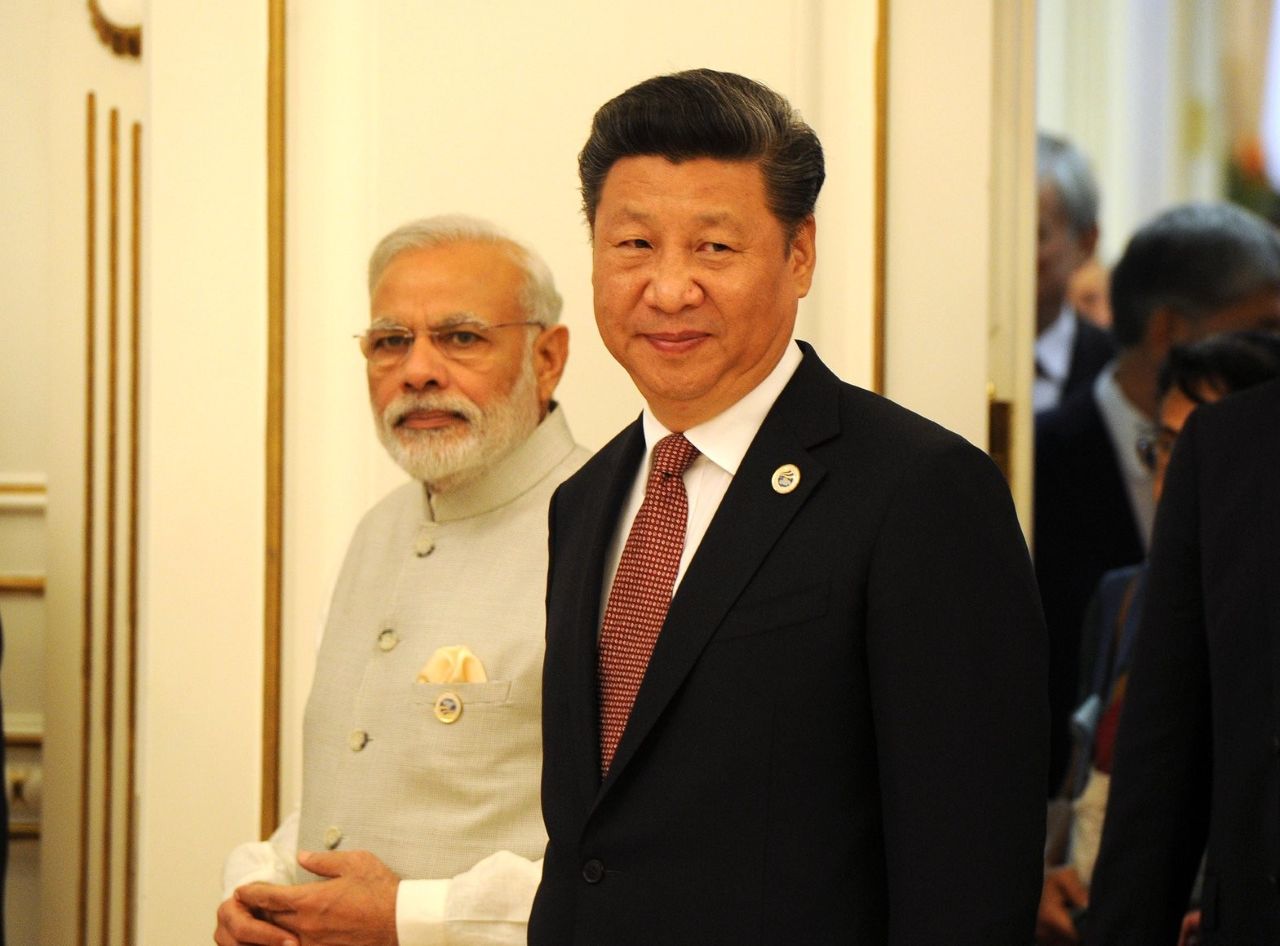
Prime Minister Narendra Modi's recent visit to Tianjin this week was equally significant in breaking away from the past. But in stark contrast to Gandhi, Modi’s recent engagement with China reflects not breakthrough diplomacy but strategic submission. The terms of renewed friendship between …