/
•
•
Detailed stories on technology startups, business and economic current affairs.
The recent NSE fiasco indicates a larger systemic problem: there is a general malaise, seeping deep among India’s sectoral regulators.



Editor's note: By now, you might have heard that the Securities and Exchange Board of India (SEBI) has finally passed its order after looking into the major irregularities—suspicious appointments, trips to tax havens by senior management, preferential access to certain brokers, mysterious emails from yogis, etc.—at the National Stock Exchange (NSE). It is a different matter that the order is far from satisfactory and comes more than six years after the initial complaints were made to SEBI and long after a series of investigative reports by Moneylife—the consumer advocacy organization that brought NSE’s lapses into public discourse. It is disappointing, yes, but hardly surprising. And unfortunately so. India’s securities market regulator has repeatedly dragged its feet on revelations of major securities fraud (read Satyam, Sahara, Reliance Capital), and has had its supposed regulatory independence compromised in various ways—either through internecine jurisdictional conflicts within the government (with the Reserve Bank of India, or RBI, the Insurance Regulatory and Development Authority of India, IRDAI, the Ministry of Corporate Affairs, the Ministry of Finance, etc.) or through a general struggle to convert complaints into meaningful …
The recent NSE fiasco indicates a larger systemic problem: there is a general malaise, seeping deep among India’s sectoral regulators.
Editor's note: By now, you might have heard that the Securities and Exchange Board of India (SEBI) has finally passed its order after looking into the major irregularities—suspicious appointments, trips to tax havens by senior management, preferential access to certain brokers, mysterious emails from yogis, etc.—at the National Stock Exchange (NSE). It is a different matter that the order is far from satisfactory and comes more than six years after the initial complaints were made to SEBI and long after a series of investigative reports by Moneylife—the consumer advocacy organization that brought NSE’s lapses into public discourse. It is disappointing, yes, but hardly surprising. And unfortunately so. India’s securities market regulator has repeatedly dragged its feet on revelations of major securities fraud (read Satyam, Sahara, Reliance Capital), and has had its supposed regulatory independence compromised in various ways—either through internecine jurisdictional conflicts within the government (with the Reserve Bank of India, or RBI, the Insurance Regulatory and Development Authority of India, IRDAI, the Ministry of Corporate Affairs, the Ministry of Finance, etc.) or through a general struggle to convert complaints into meaningful …

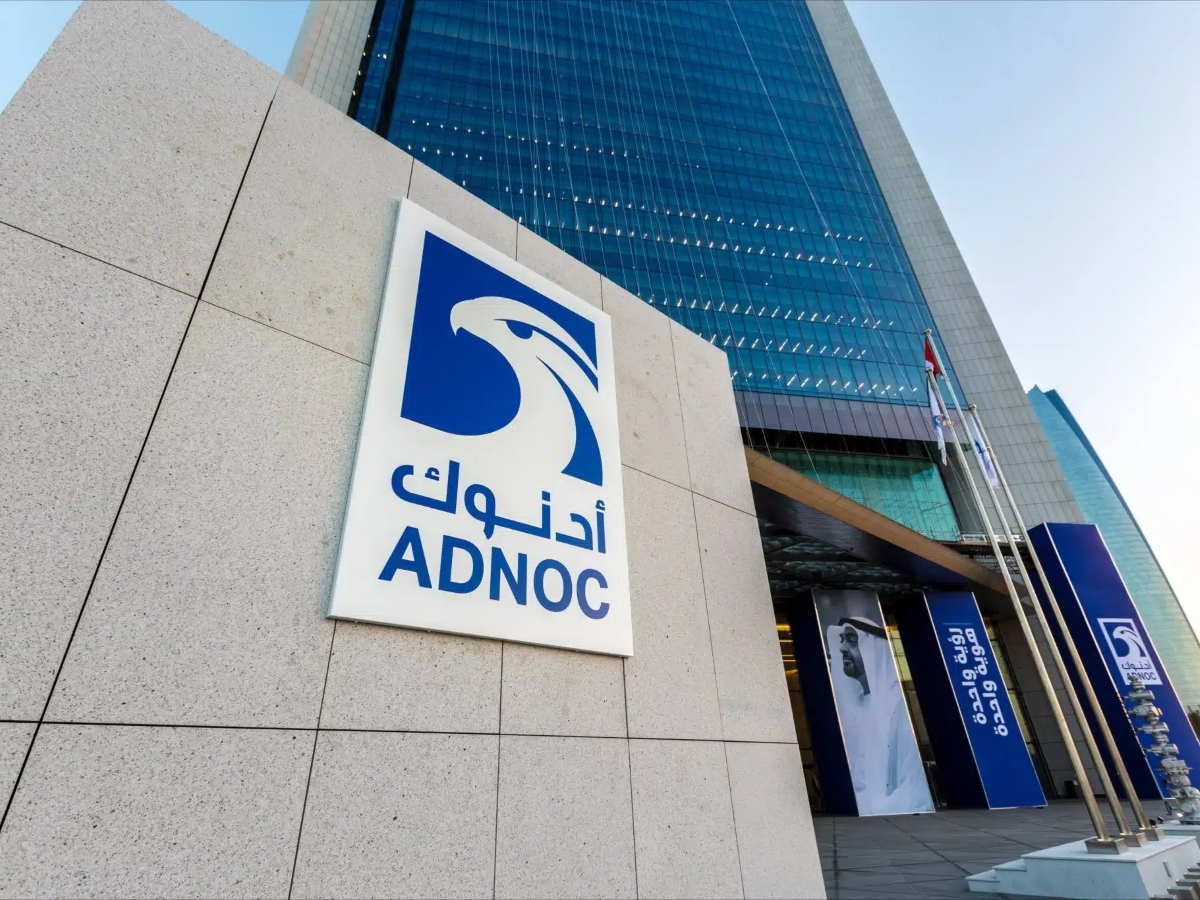
ADNOC’s strong numbers underline a strategy built on higher output, shipping gains and new routes that sidestep the risky Strait of Hormuz.

The Bengaluru-based contract manufacturer lands in legal hot water with the California-headquartered transformer startup over a trade secret dispute.

The country's fighter jet roadmap rests on imported propulsion, leaving its military plans hostage to cost shocks, delays and geopolitics.
ADNOC’s strong numbers underline a strategy built on higher output, shipping gains and new routes that sidestep the risky Strait of Hormuz.
The Bengaluru-based contract manufacturer lands in legal hot water with the California-headquartered transformer startup over a trade secret dispute.
The country's fighter jet roadmap rests on imported propulsion, leaving its military plans hostage to cost shocks, delays and geopolitics.