/
•
•
Detailed stories on technology startups, business and economic current affairs.
The online meat delivery company has seen business boom during the pandemic. It now wants to expand to new markets and build an offline presence. How far can it go?



Editor's note: The Ghazipur meat market, smack on the border between Delhi and Uttar Pradesh, is the National Capital Region’s largest for chicken and seafood. It is definitely not for the faint of heart, standing cheek by jowl with a landfill that towers over 65 metres and with a stench so overpowering it is akin to being kicked in the solar plexus. One has to traipse over blood and discarded body parts of what were once whole organisms. To varying degrees, that more or less sums up what buying meat at a wet market entails. An off-putting experience, at best, it was one that had to be endured for the sheer lack of options. For the longest time, it was either a wet market for the “freshest” meat or the neighbourhood butcher, who was alright if you were in a tolerant mood. And, for those who just couldn’t stand the blood and gore, there were a handful of outlets where you could buy a slab of frozen meat and patiently wait for it to thaw out before getting down to cooking it. …

Parent AceVector is headed for a public market debut next week. As much as 97% of its revenue comes from two businesses. One is already a listed entity, the other a missed opportunity.
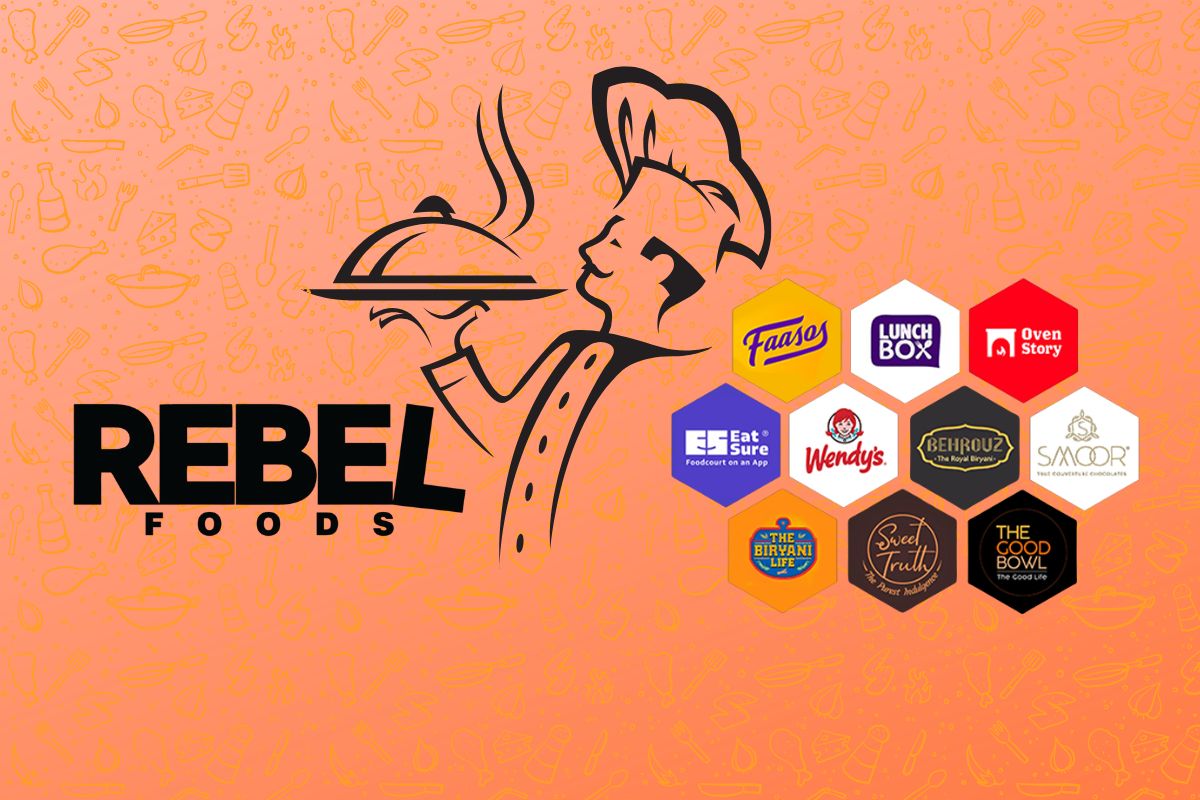
After 15 years, more than $550 million in funding and over $200 million in revenue, the cloud kitchen startup must find a way to make a profit and go public. Grover is the man Rebel has chosen for the job.
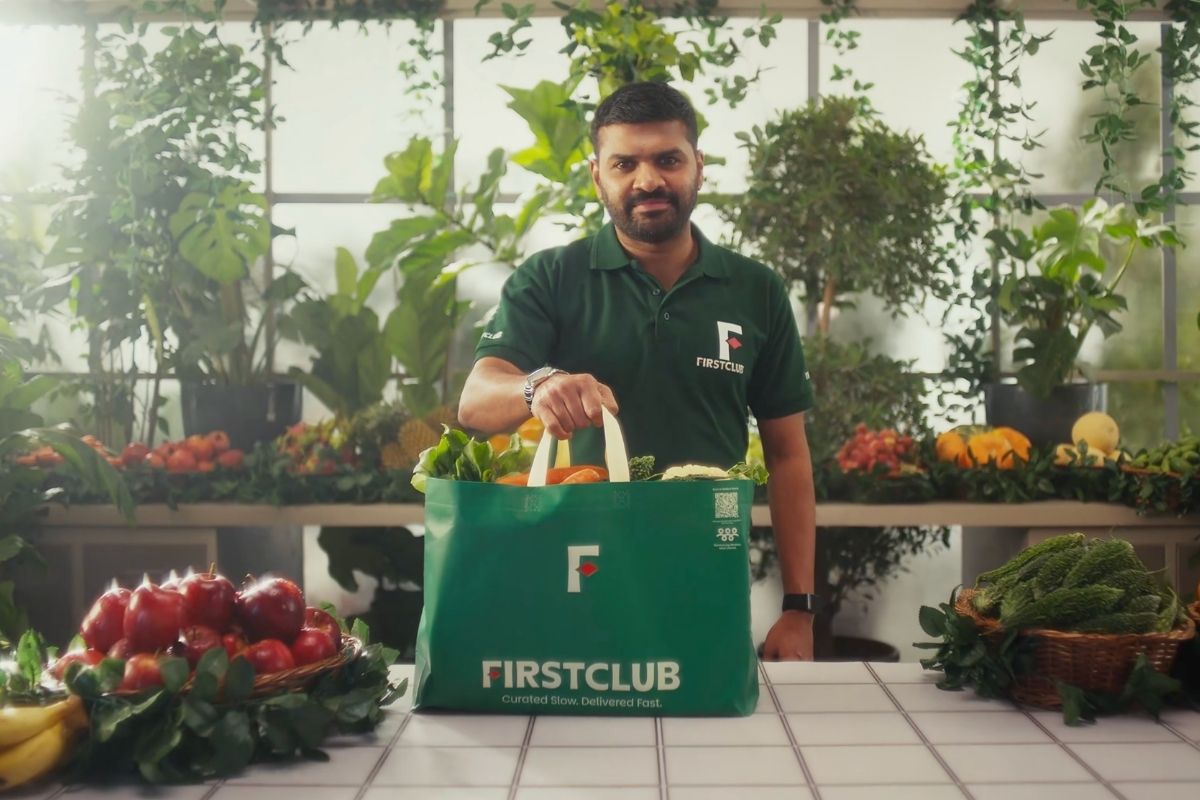
In less than two years, the instant delivery startup that puts quality above all else has attracted marquee VC investors, earning a valuation of $255 million. How far the niche bet will take it is anybody’s guess.