/
•
•
Detailed stories on technology startups, business and economic current affairs.
Co-founder and CEO Sharat Potharaju talks about 13 years of persistence with SaaS, failed products and what holds back Indian companies.




It starts like a clichéd story. Two school friends, in their late 20s, have high-paying jobs in the US but no satisfaction. They dream of going back to their motherland and starting a business. Much to their professional, middle-class parents’ dismay. But they act on their plan anyway. They come back to India, work on a tech idea, launch their product and wait for success to take over.
Sharat Potharaju and his co-founder Ravi Pratap Maddimsetty first founded a SaaS company called MobStac in 2009. The product seemed promising and venture capital firm Accel immediately took a bet. But it …
India’s grocery and food delivery platforms are increasingly displaying misleading images of food using artificial intelligence, defeating the very purpose of buying online.
Parent AceVector is headed for a public market debut next week. As much as 97% of its revenue comes from two businesses. One is already a listed entity, the other a missed opportunity.
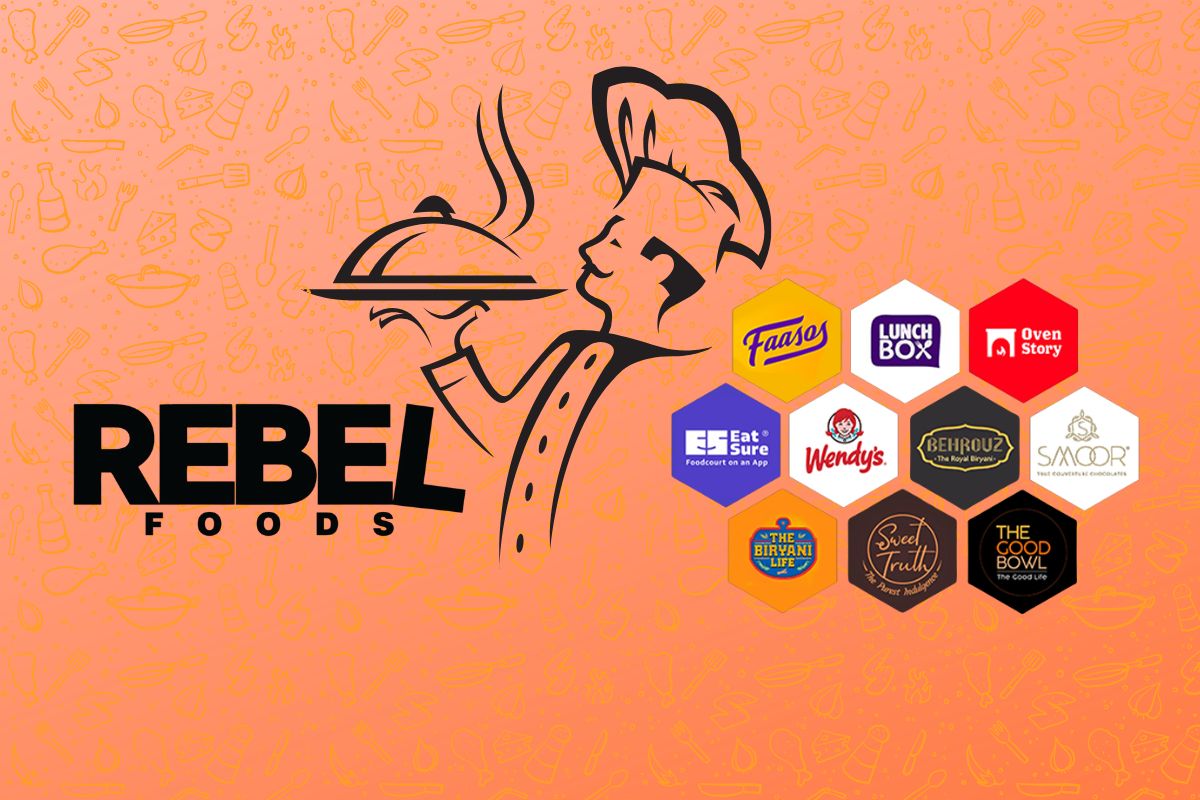
After 15 years, more than $550 million in funding and over $200 million in revenue, the cloud kitchen startup must find a way to make a profit and go public. Grover is the man Rebel has chosen for the job.