/
•
•
Detailed stories on technology startups, business and economic current affairs.
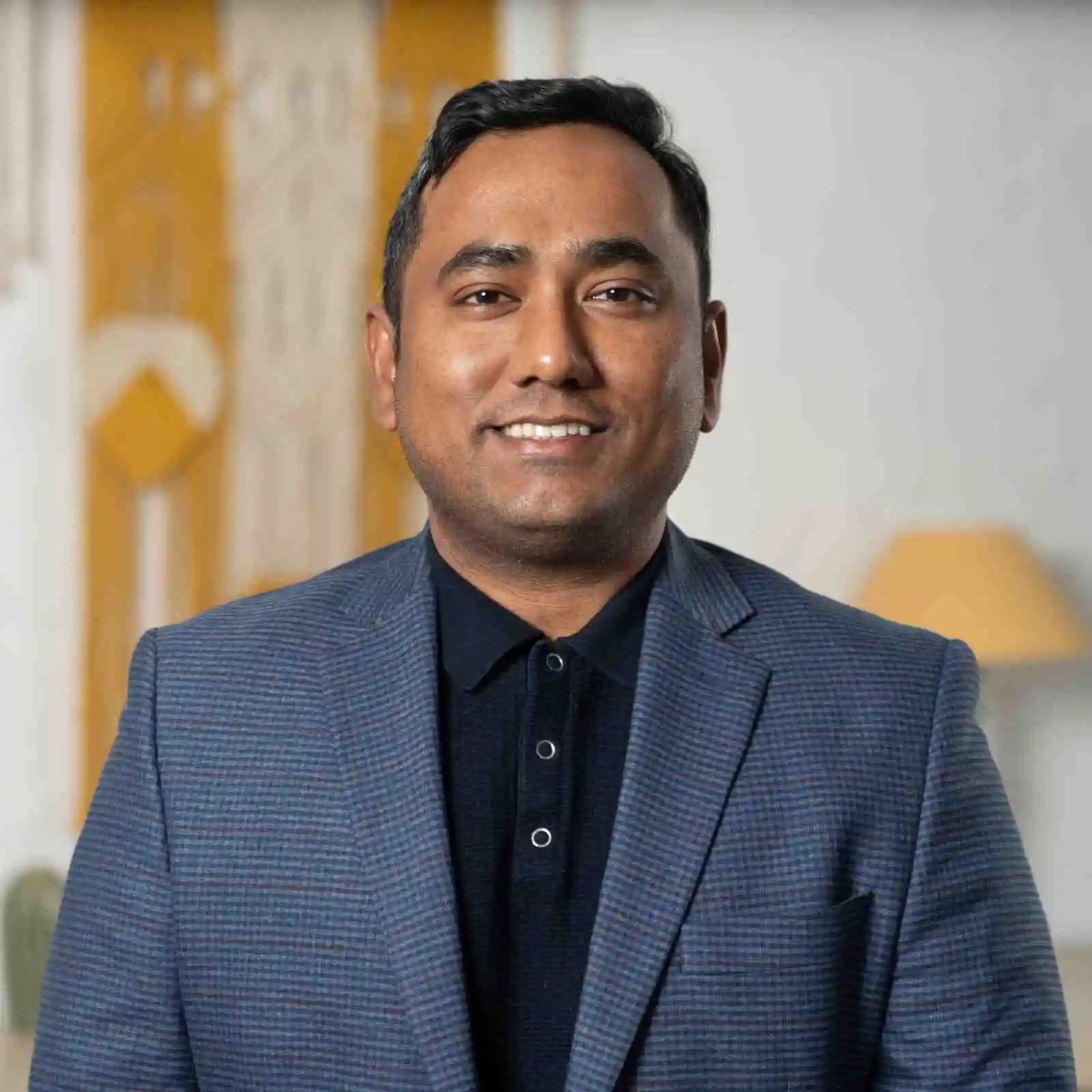
Co-founder and CEO Shashank Kumar talks about agritech, the opportunities and challenges accompanying it and the startup’s path to profitability.



Editor's note: Shashank Kumar is a busy man. The co-founder and CEO of agritech startup DeHaat is raising a new round of funding. (One week after this interview, news broke that the company had raised Rs 366 crore, or $46 million, in Series E funding led by Belgian investment firm Sofina Ventures.) He is also busy because October and November are harvest time for kharif (summer) crops and also when fields are prepared for sowing rabi (winter) crops—a time when most people at his company are out in the fields to interact with farmers. But then, Kumar has been busy ever since he founded DeHaat in 2012. The Patna-based company, which also has headquarters in Gurugram, serves as a full-stack platform that offers farmers services like distribution of agri inputs, customized farming advice, access to financial services and market linkages. After almost eight years since its inception, the company, built by the engineer turned management consultant turned first-generation entrepreneur, finally hit the growth curve in 2019-20. Today, DeHaat is among a few of the 1,000 agritech startups in India that enjoy an …

Co-founder and CEO Shashank Kumar talks about agritech, the opportunities and challenges accompanying it and the startup’s path to profitability.
Editor's note: Shashank Kumar is a busy man. The co-founder and CEO of agritech startup DeHaat is raising a new round of funding. (One week after this interview, news broke that the company had raised Rs 366 crore, or $46 million, in Series E funding led by Belgian investment firm Sofina Ventures.) He is also busy because October and November are harvest time for kharif (summer) crops and also when fields are prepared for sowing rabi (winter) crops—a time when most people at his company are out in the fields to interact with farmers. But then, Kumar has been busy ever since he founded DeHaat in 2012. The Patna-based company, which also has headquarters in Gurugram, serves as a full-stack platform that offers farmers services like distribution of agri inputs, customized farming advice, access to financial services and market linkages. After almost eight years since its inception, the company, built by the engineer turned management consultant turned first-generation entrepreneur, finally hit the growth curve in 2019-20. Today, DeHaat is among a few of the 1,000 agritech startups in India that enjoy an …
The seafood company solved its demand problem by aggressively buying global distributors. Now it has a financing problem that it can't solve without public money.

As AI advances rapidly, leadership, judgment and strategy matter more than ever. Today’s MBA is evolving to shape leaders for an AI-led world.

The four-year-old company’s rapid rise is matched only by its stunning fall, marred by allegations of fraud and mismanagement.
The seafood company solved its demand problem by aggressively buying global distributors. Now it has a financing problem that it can't solve without public money.
As AI advances rapidly, leadership, judgment and strategy matter more than ever. Today’s MBA is evolving to shape leaders for an AI-led world.
The four-year-old company’s rapid rise is matched only by its stunning fall, marred by allegations of fraud and mismanagement.