/
•
•
Detailed stories on technology startups, business and economic current affairs.
Startups and older companies in the mock meat space are attempting to tap the mass market. Will they taste success?



Nearly five years after Abhishek Sinha started GoodDot, one of India’s earliest plant-based meat startups, he knew he needed to do more than market his products online. He realized that he had to get his faux meat products to the masses. And, to do that, he needed to hit the road.
So, last week, the CEO of the Udaipur-based company set out on a 1,800-km road trip from Rajasthan to Bengaluru. The idea was simple yet tough—sell his flagship ready-to-cook Unmutton Dhaba Curry Kit to nearly 30 highway dhabas and restaurants that cater to the mass market and may have …
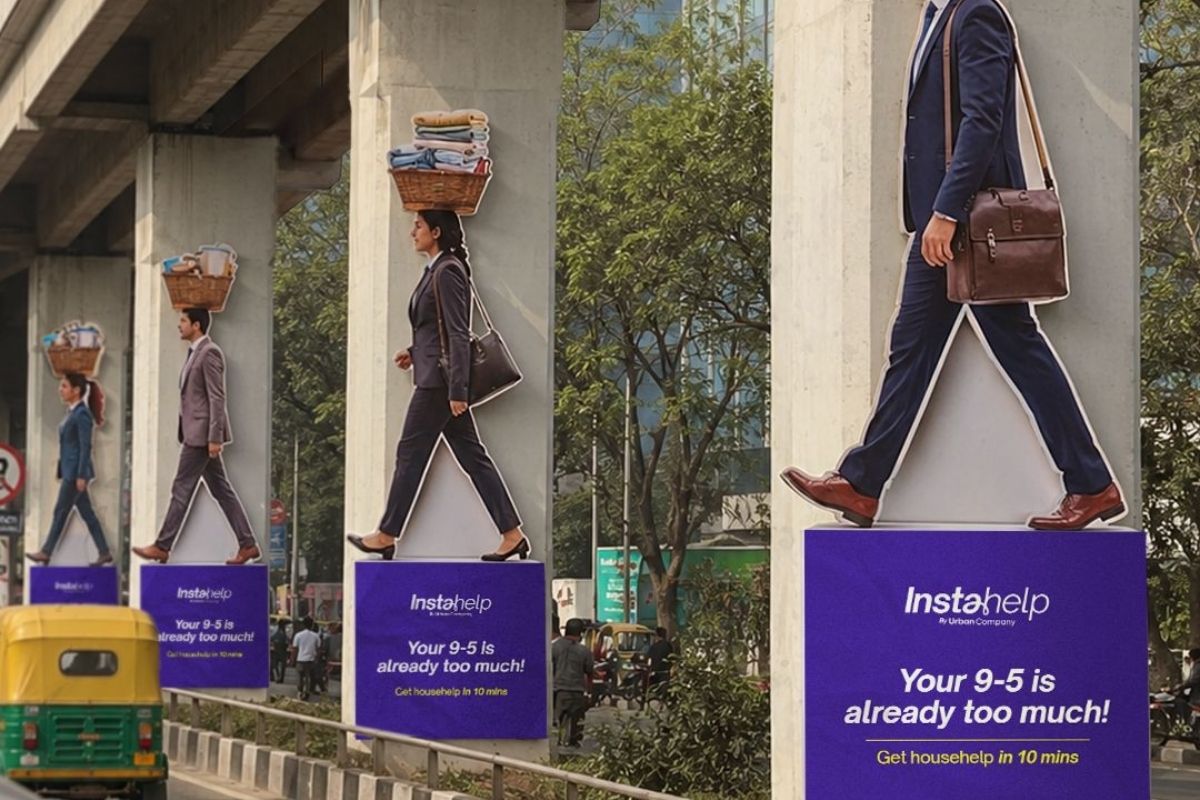
The instant house help business has become the centre of focus and investment at the home services company. But another fight may be brewing in its core business.

India’s grocery and food delivery platforms are increasingly displaying misleading images of food using artificial intelligence, defeating the very purpose of buying online.
Parent AceVector is headed for a public market debut next week. As much as 97% of its revenue comes from two businesses. One is already a listed entity, the other a missed opportunity.