/
•
•
Detailed stories on technology startups, business and economic current affairs.
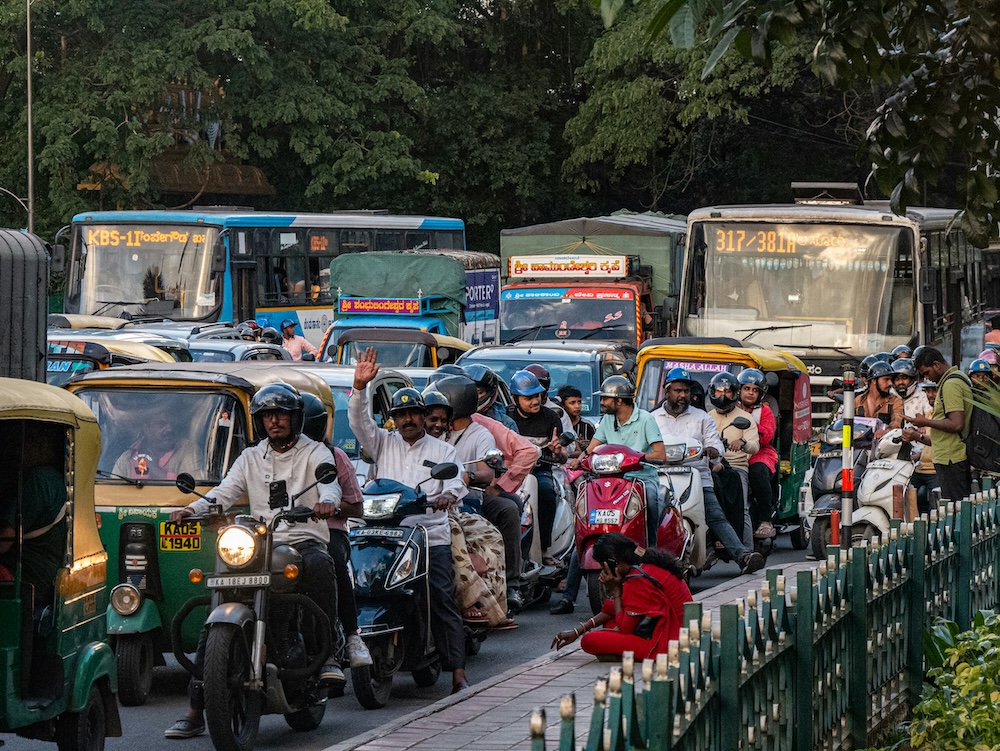
Amazon has made a perplexing late entry into food delivery in India. But despite its infinite resources and famed execution chops, this is far from a slam dunk.



Editor's note: First, a mea culpa. Earlier this year, when Zomato acquired Uber Eats, the Indian food delivery operations of Uber, we were quick to announce the arrival of a duopoly in the food delivery business. With the market split between Swiggy and Zomato, we said the food wars were over and an uncomfortable but surely truce was on its way. One which could end years of burning cash in favour of a more sober outcome of making money, something investors in both companies desperately need. Now at the time, while rumours were circulating of Amazon’s food delivery ambitions and pilots in Bengaluru, we were quick to dismiss them as mere wishful thinking. This is what I wrote: I think the talk about Amazon is overrated… Amazon does offer its Prime Now service in a few Indian cities (and many across the US and some other countries), which gives Prime users access to two-hour delivery for groceries, which seems close to food delivery at first glance. But delivering groceries, which can be sourced from any strategically placed centre clubbing multiple orders, in …
Amazon has made a perplexing late entry into food delivery in India. But despite its infinite resources and famed execution chops, this is far from a slam dunk.
Editor's note: First, a mea culpa. Earlier this year, when Zomato acquired Uber Eats, the Indian food delivery operations of Uber, we were quick to announce the arrival of a duopoly in the food delivery business. With the market split between Swiggy and Zomato, we said the food wars were over and an uncomfortable but surely truce was on its way. One which could end years of burning cash in favour of a more sober outcome of making money, something investors in both companies desperately need. Now at the time, while rumours were circulating of Amazon’s food delivery ambitions and pilots in Bengaluru, we were quick to dismiss them as mere wishful thinking. This is what I wrote: I think the talk about Amazon is overrated… Amazon does offer its Prime Now service in a few Indian cities (and many across the US and some other countries), which gives Prime users access to two-hour delivery for groceries, which seems close to food delivery at first glance. But delivering groceries, which can be sourced from any strategically placed centre clubbing multiple orders, in …
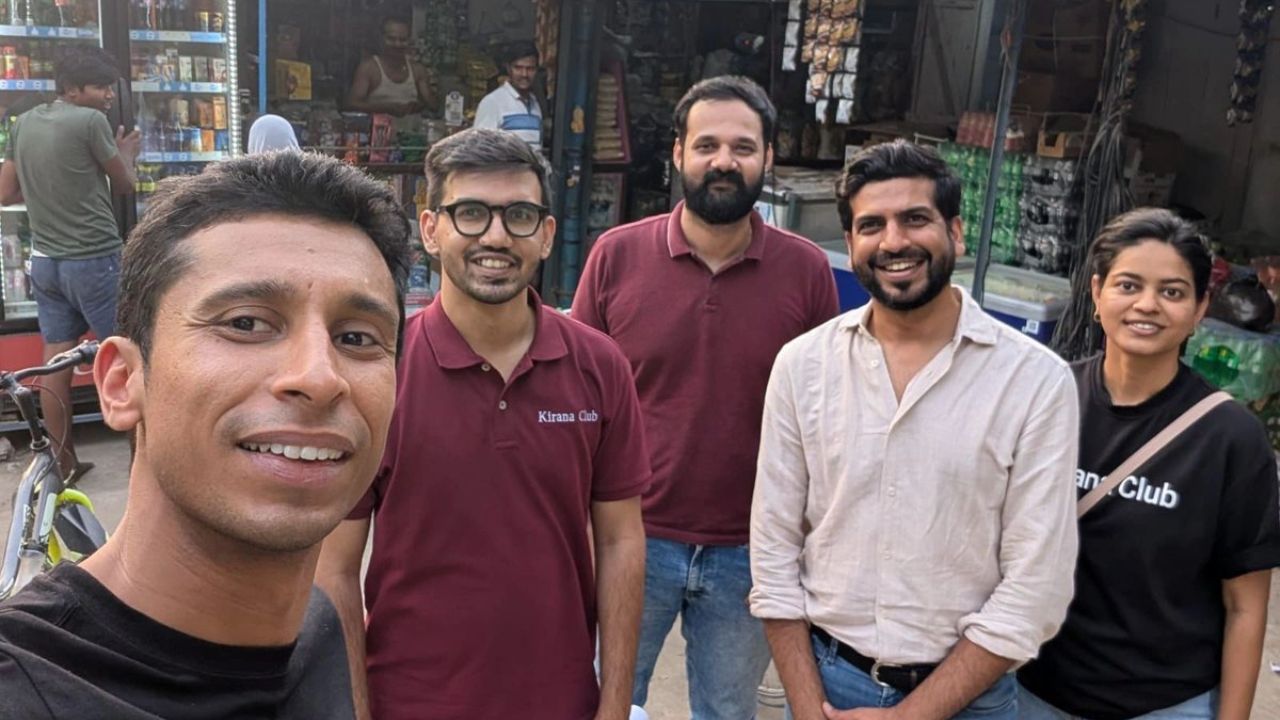
Its acquisition of Kirana Club signals an attempt to find a new growth engine, but grocery retail has been a challenge for even well-funded players.
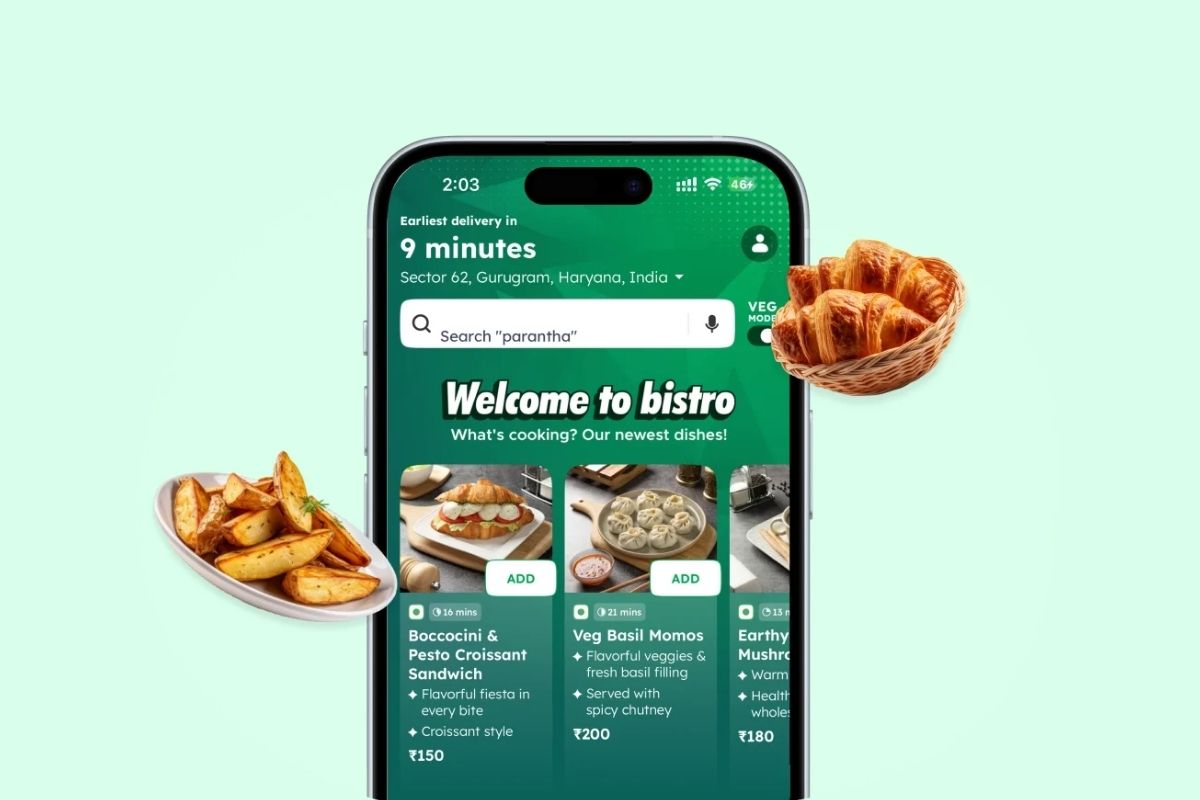
Bistro may look like a response to Swiggy and Rapido’s 'budget' food delivery apps, but the similarities end at affordability—the playbooks are fundamentally different.
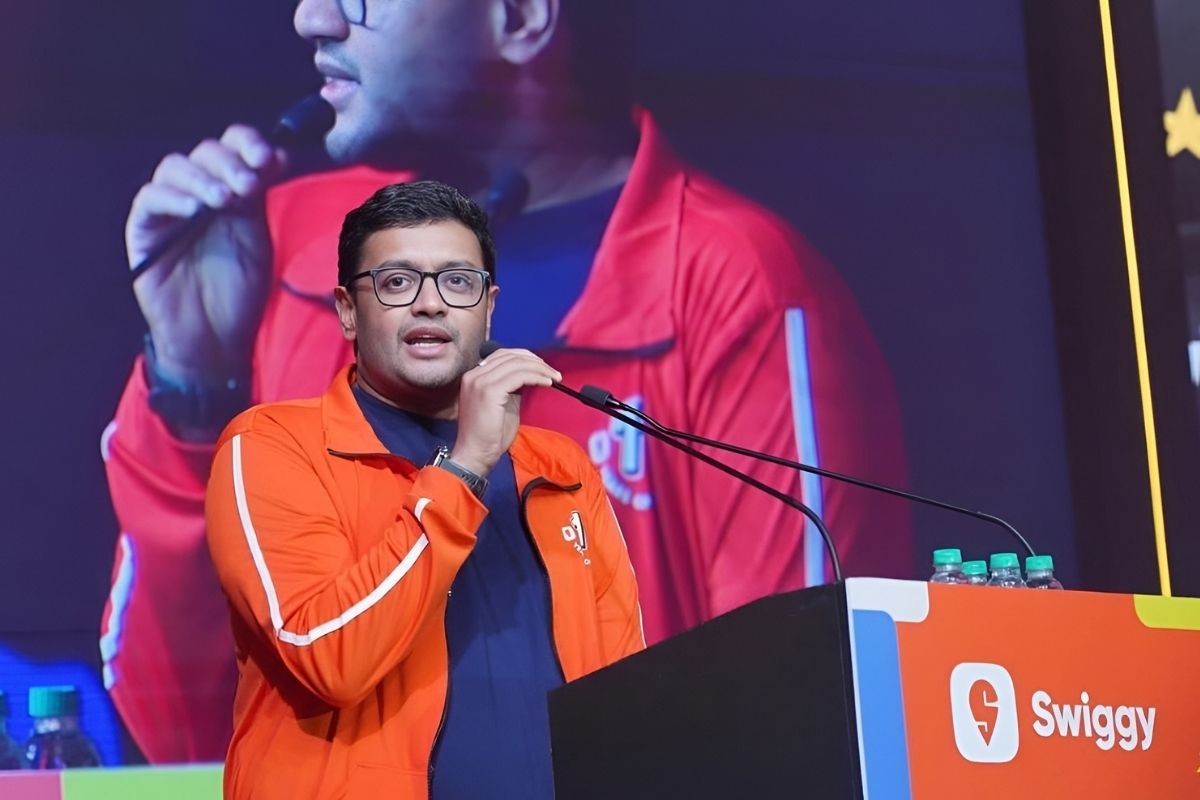
In light of the recent exits of top executives at Swiggy’s quick commerce business, we look at the reasons behind the departures and whether it’s impacting the business.
Its acquisition of Kirana Club signals an attempt to find a new growth engine, but grocery retail has been a challenge for even well-funded players.
Bistro may look like a response to Swiggy and Rapido’s 'budget' food delivery apps, but the similarities end at affordability—the playbooks are fundamentally different.
In light of the recent exits of top executives at Swiggy’s quick commerce business, we look at the reasons behind the departures and whether it’s impacting the business.