/
•
•
Detailed stories on technology startups, business and economic current affairs.
The Bengaluru-based e-commerce startup is stuck between rapidly scaling the business and wanting a better valuation.




At a company-wide town hall a few months ago, disappointment awaited the employees of Meesho. Founder and CEO Vidit Aatrey broke the news suddenly. A big, promising investor had pulled out of the e-commerce startup’s latest funding round. Aatrey didn’t reveal who the investor was, just that it had unexpectedly backed out. As a result, there were going to be financial changes—budgets cut and targets revised—even as Meesho continued to look for money elsewhere.
For more than nine months now, the company has been on the road to raise money. Late last year, the idea was to raise a billion …

The arrest and charges against an employee of the artificial intelligence company, fewer early-stage VC deals, and other updates.

India’s grocery and food delivery platforms are increasingly displaying misleading images of food using artificial intelligence, defeating the very purpose of buying online.
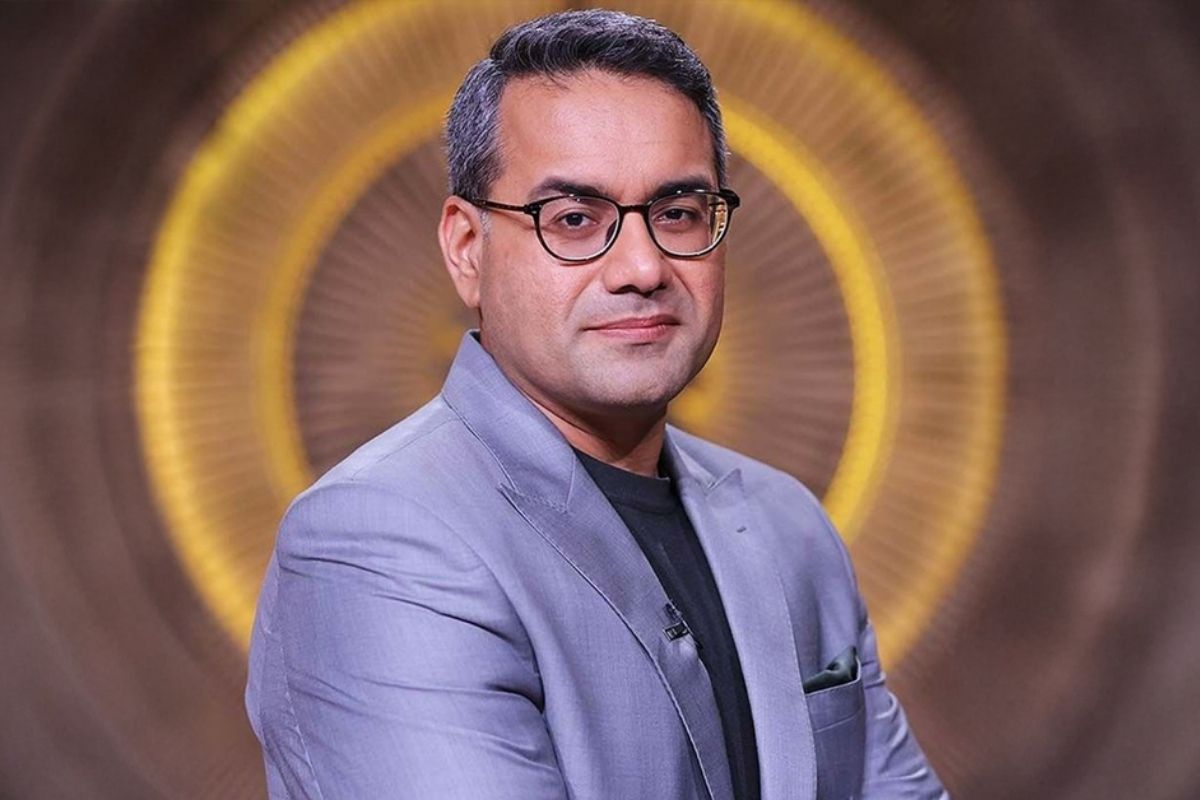
Parent AceVector is headed for a public market debut next week. As much as 97% of its revenue comes from two businesses. One is already a listed entity, the other a missed opportunity.