/
•
•
Detailed stories on technology startups, business and economic current affairs.
MobiKwik has lived through a painful existence marred by challenges that would have sunk a lesser startup. In its desire to go public, it continues on the path of pain.



Things couldn’t have been worse for MobiKwik. In the fiscal year ended 31 March 2021, the company’s operating income dropped 20%, from Rs 355.68 crore in the previous year to Rs 288.57 crore. The company recorded a loss of Rs 111.30 crore in 2020-21, compared to Rs 99 crore in 2019-20. It would seem COVID-19 battered the hell out of MobiKwik’s fledgling business. Cash on hand dropped to Rs 60 crore as of 31 March, just about enough to cover a year’s wage bill; it managed to to raise $5 million (around Rs 37 crore) in April from a handful …
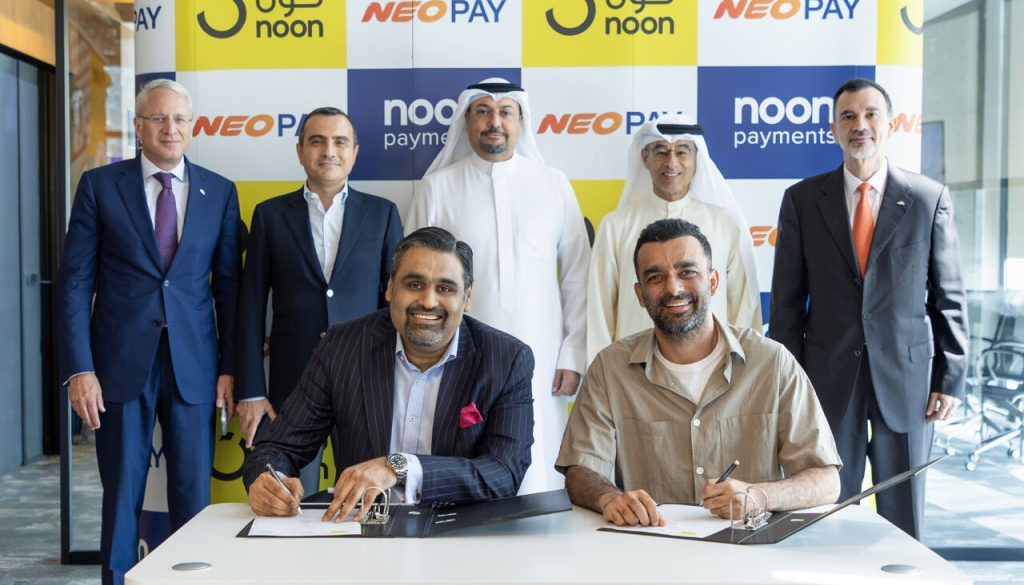
A local fintech deal to consolidate operations, feedback on Saudi Arabia’s proposed IPO rules, and Ras Al Khaimah’s casino economy.

The kingdom is moving to tighten the rules around public listings, algorithmic trading, trading in foreign securities and company disclosures—all in an effort to chase transparency.

The newly announced levy on UPI payments undermines the very foundation of using digital payments for stock market investing. Brokers are in a tizzy.