/
•
•
Detailed stories on technology startups, business and economic current affairs.
The seven-year-old company is seen as the dark horse of Indian e-commerce. What exactly is it building?



After Kunal Shah’s CRED, Meesho is the company the Indian startup ecosystem can’t make up its mind about.
For the longest time, Meesho was a social commerce company. Small-town resellers, many of whom were women, would use Meesho’s catalogue of products to service orders in their neighbourhood, relying heavily on WhatsApp and Facebook. Last year, however, Meesho started transitioning into an e-commerce company for small businesses, in many ways competing with the much larger Flipkart and Amazon India.
Pivoting to a new business model like that for a company valued at $2.1 billion is unusual, to say the least.
Companies …
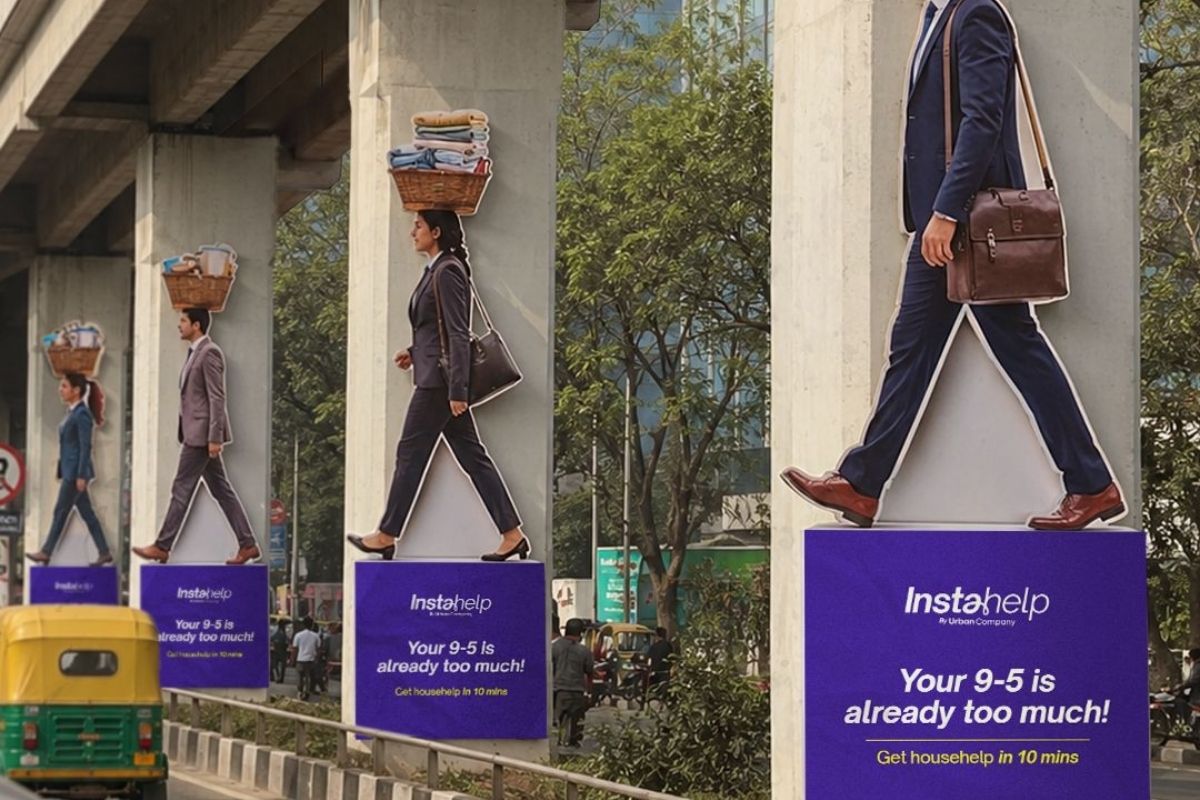
The instant house help business has become the centre of focus and investment at the home services company. But another fight may be brewing in its core business.

The arrest and charges against an employee of the artificial intelligence company, fewer early-stage VC deals, and other updates.

India’s grocery and food delivery platforms are increasingly displaying misleading images of food using artificial intelligence, defeating the very purpose of buying online.