/
•
•
Detailed stories on technology startups, business and economic current affairs.
Faced with chronic neglect, lack of focus, high attrition and supply-side constraints, Ola's cab business, once the darling of investors, has turned into a dodo.



Bhavish Aggarwal's troubles aren't ending. The electric scooter fiasco has kept people so occupied over the past six months that the rapid decline in the cab business has gone almost unnoticed. But here's the thing about bad news: it always comes out.
So when Moneycontrol reported in March that ANI Technologies—the parent company of Ola, which was previously seen making its debut on the public markets this year—is planning to raise a new round of funding at a lower valuation of $5 billion, it didn't surprise people who have been tracking the company for the last few years.
Ola was …

The EV maker is back for fresh capital as its businesses fail to generate enough to sustain themselves.
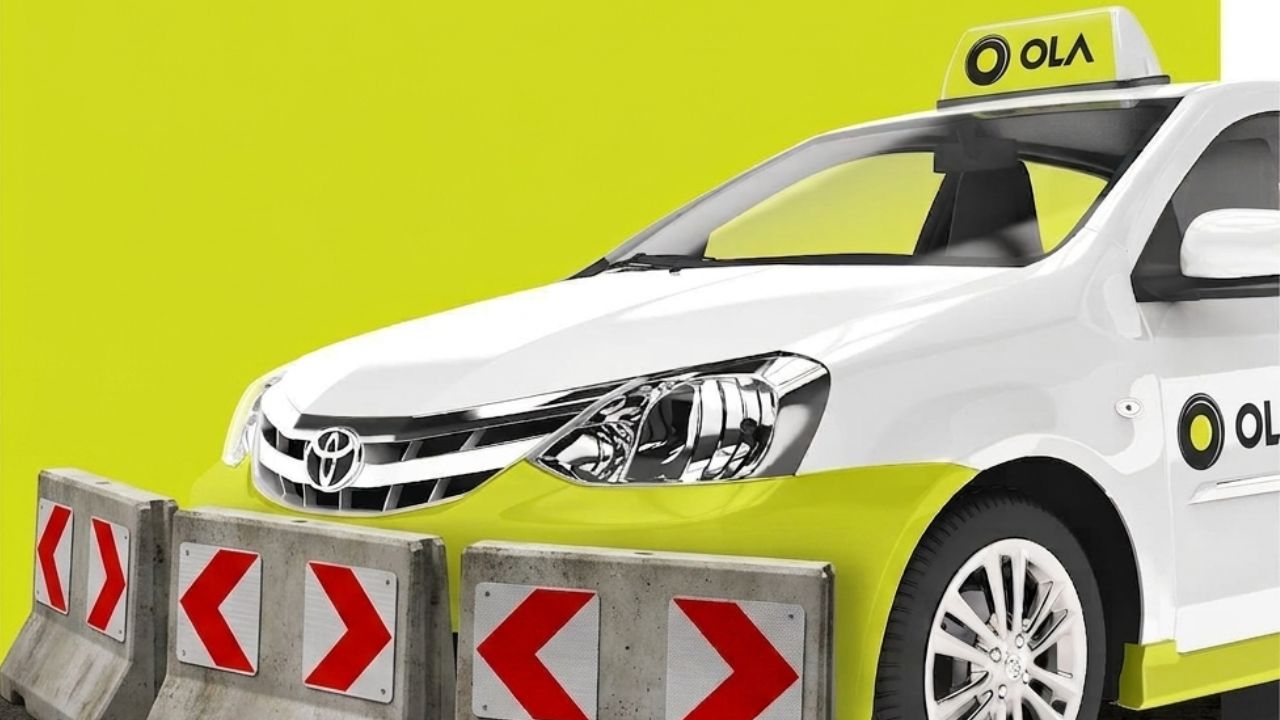
As Rapido and Uber pull ahead, falling traction and mounting financial stress leave Ola with few options.

The popular super app startup is seeing widening losses, Dubai’s financial zone wants more wealth and Aramco’s big quarter.