/
•
•
Detailed stories on technology startups, business and economic current affairs.




In 2013, India had about a dozen operators serving a little over 700 million subscribers. Bharti Airtel Ltd led with a quarter of the market share. In 2016 (before Reliance Jio Infocomm Ltd started services), the number of operators had reduced to eight, while the active subscribers had crossed 900 million.
The Indian mobile telephony market is more consolidated now with three private operators—Airtel, Jio, and Vi (Vodafone Idea Ltd, which rebranded itself as Vi recently)—and one government operator, BSNL. We are talking a billion subscribers with Airtel and Jio controlling about a third of the market each. While Jio …

A quarter with subscriber gains portends well for the telecom operator, but its underlying metrics tell a more cautious story.
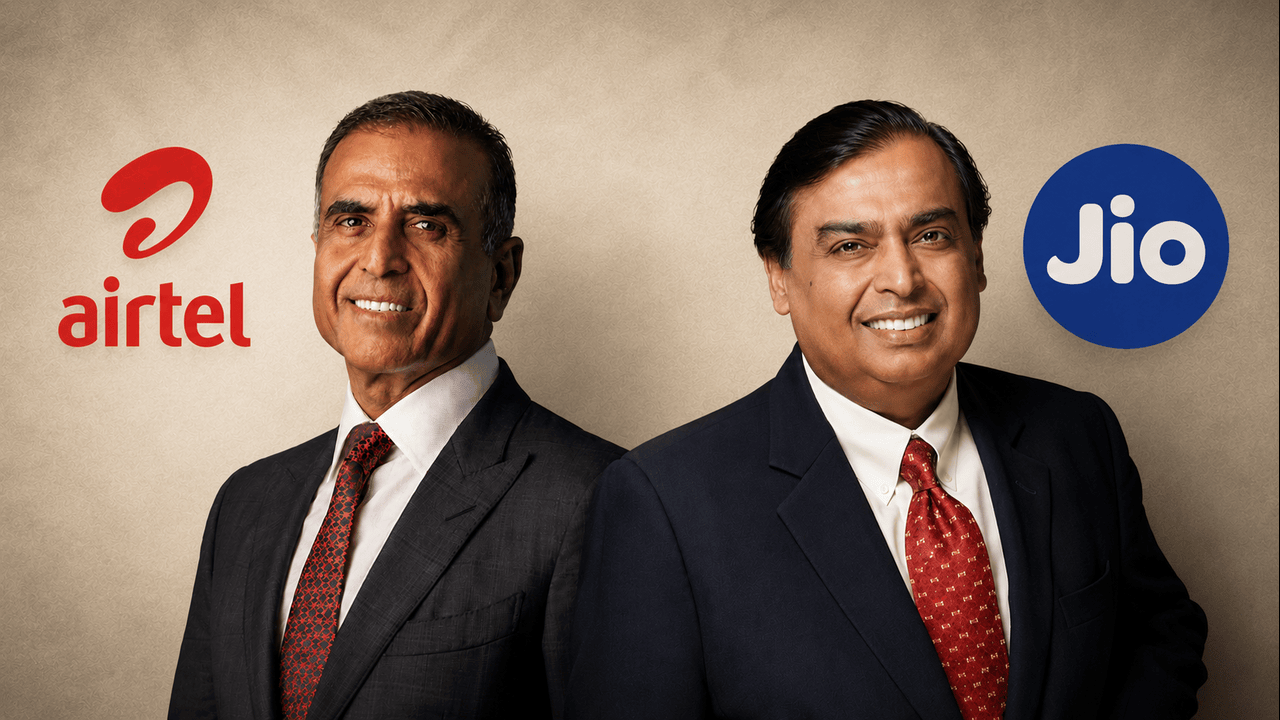
Instead of going after scale like Jio, the Sunil Bharti Mittal-led telecom giant is chasing a smaller but higher-quality customer base to grow its home broadband segment. Will the bet pay off?
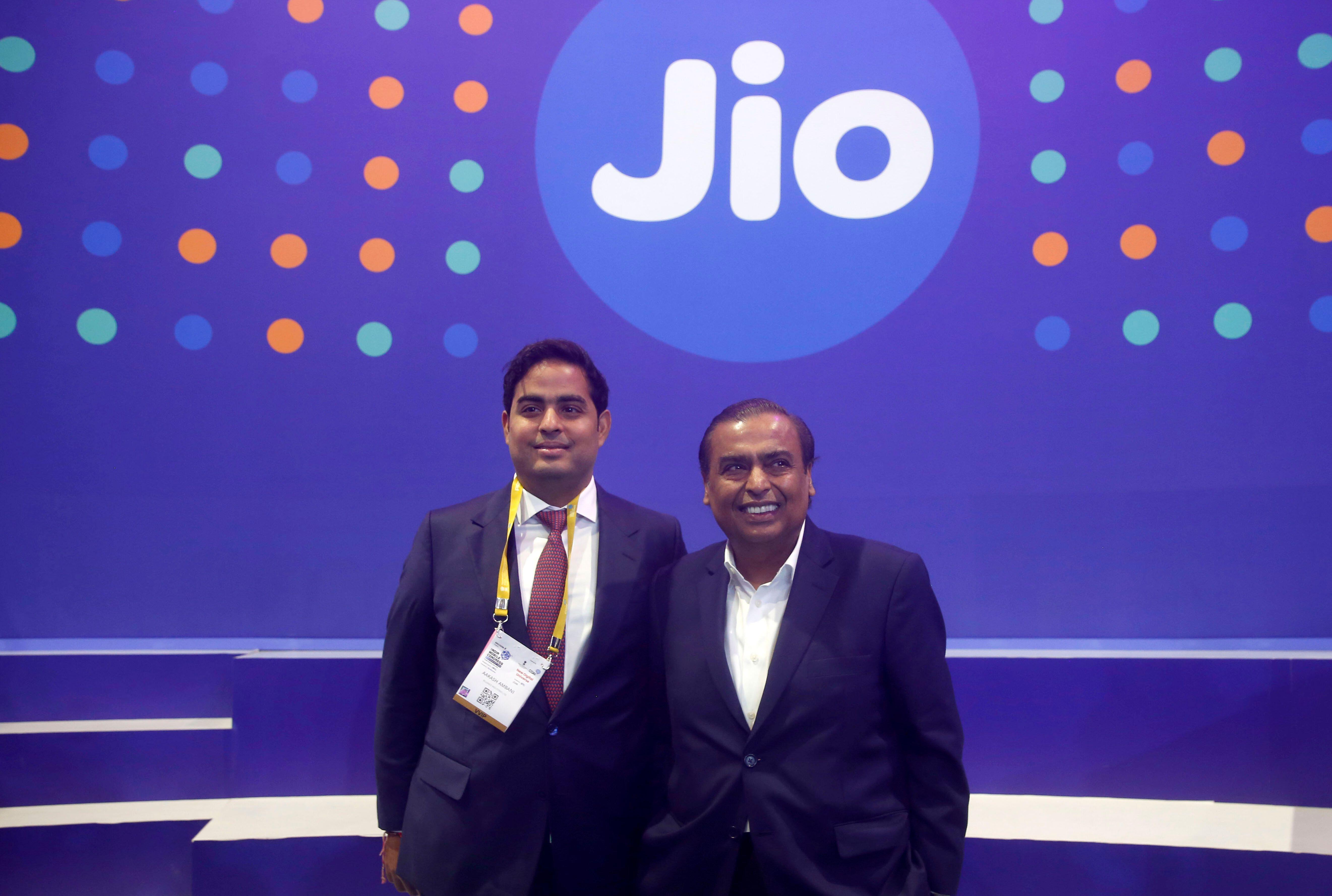
Mukesh Ambani wants investors to price Reliance Industries’ IPO-bound telecom arm like a technology business. In reality, Jio’s tech ambitions remain a work in progress.