/
•
•
Detailed stories on technology startups, business and economic current affairs.




While we all were working from home the past few months, the richest man in Asia, Mukesh Ambani, raised an eye-watering $20 billion plus for Jio Platforms from investors across the world, including technology majors such as Facebook, Google and Intel.
A fully owned subsidiary of Reliance Industries Ltd created last year, Jio Platforms is the holding company for the oil-to-retail conglomerate’s digital services businesses, as well as Reliance Jio Infocomm Ltd, India’s biggest telecom operator. Jio Platforms is positioned as a full-fledged technology company – not an offshoot interest of the oil company, or a side business to Jio’s …

India’s leading tech hardware distribution company is making the most of the unprecedented rise in global prices of laptops and other tech hardware. There’s just one problem.
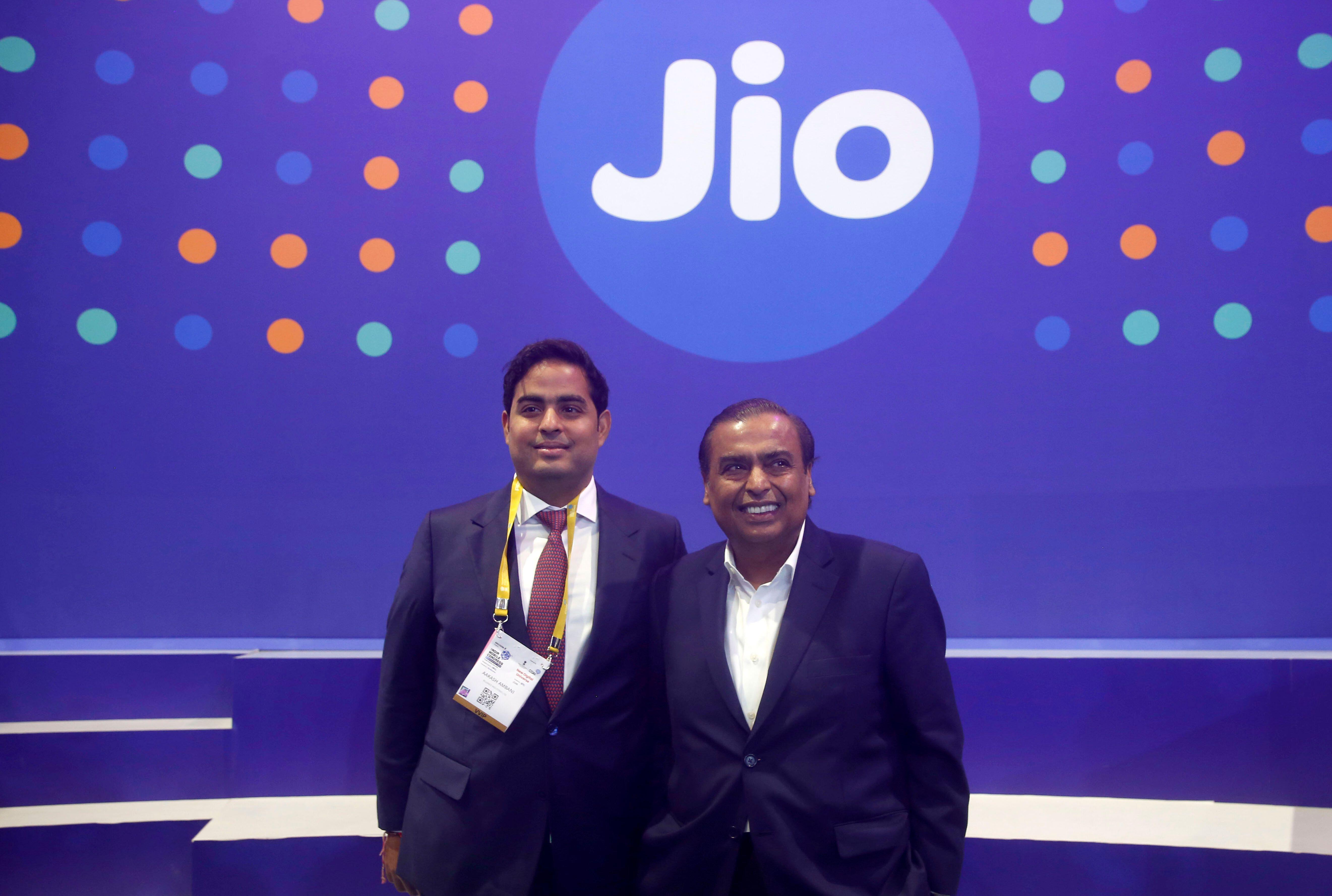
Mukesh Ambani wants investors to price Reliance Industries’ IPO-bound telecom arm like a technology business. In reality, Jio’s tech ambitions remain a work in progress.

FY26 numbers show that Airtel is stealing a march on its larger rival on most counts and is unrelenting in its ambition, casting a cloud on Jio’s valuation.