/
•
•
Detailed stories on technology startups, business and economic current affairs.
Paytm was right to get into selling insurance. But two years in, its ambition to build its own insurance business has gone nowhere.



Editor's note: Eight months after Paytm announced the acquisition of Raheja QBE to signal its entry into the insurance business, the transaction has yet to close. According to two people aware of the matter, the Insurance Regulatory Development Authority of India has dragged its heels on signing off on the transaction. This limbo, according to both people, one of whom is a former Paytm executive, seems to have resulted in Raheja QBE walking out of the transaction. We, however, could not independently verify whether or not talks have ended. “IRDA is a totally unpredictable regulator,” says one of the two executives; he requested not to be named because Paytm insurance and his company are competitors. “IRDA doesn’t listen to anybody. It famously made HDFC wait 18 months to clear the Apollo Munich transaction while Sachin Bansal’s Navi got clearance on the DHFL transaction in four weeks.” In July 2020, Paytm announced that it has acquired general insurance company Raheja QBE for Rs 548 crore. The company had said in a blog post, “We are excited to welcome Raheja QBE General Insurance to …
Paytm was right to get into selling insurance. But two years in, its ambition to build its own insurance business has gone nowhere.
Editor's note: Eight months after Paytm announced the acquisition of Raheja QBE to signal its entry into the insurance business, the transaction has yet to close. According to two people aware of the matter, the Insurance Regulatory Development Authority of India has dragged its heels on signing off on the transaction. This limbo, according to both people, one of whom is a former Paytm executive, seems to have resulted in Raheja QBE walking out of the transaction. We, however, could not independently verify whether or not talks have ended. “IRDA is a totally unpredictable regulator,” says one of the two executives; he requested not to be named because Paytm insurance and his company are competitors. “IRDA doesn’t listen to anybody. It famously made HDFC wait 18 months to clear the Apollo Munich transaction while Sachin Bansal’s Navi got clearance on the DHFL transaction in four weeks.” In July 2020, Paytm announced that it has acquired general insurance company Raheja QBE for Rs 548 crore. The company had said in a blog post, “We are excited to welcome Raheja QBE General Insurance to …

The Rs 250 SIP was launched last year by the former SEBI chairperson with one clear goal: financial inclusion. More than a year later, the much-hyped scheme doesn’t seem to have caught on with MF investors.
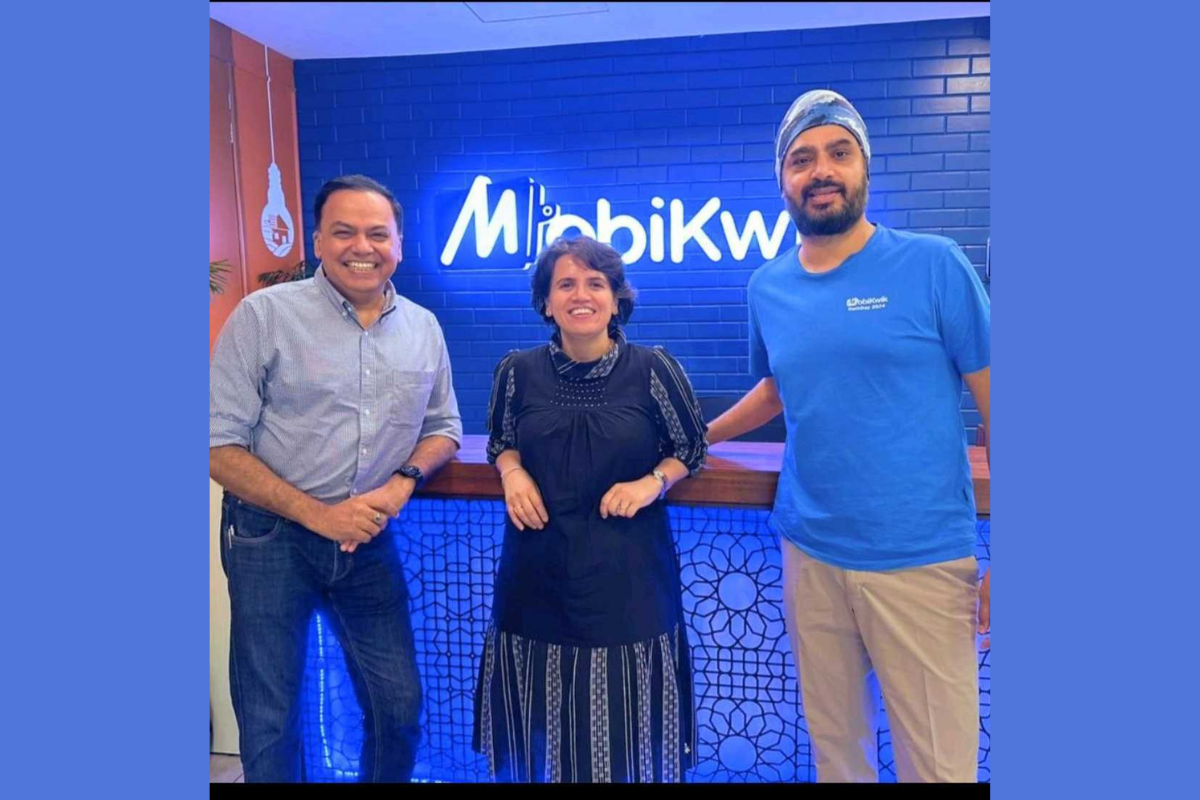
An NBFC licence and a string of approvals give the fintech firm a fresh shot at relevance. But patchy execution, intense competition and a stagnant core cast doubt on whether it can capitalize on the opportunity.
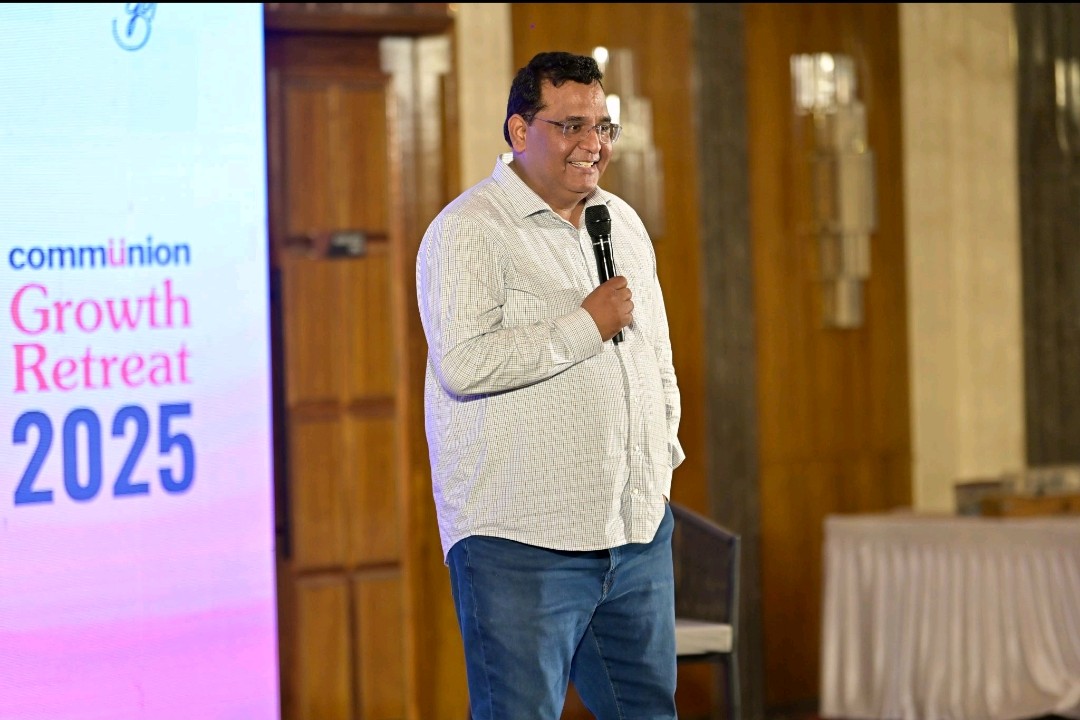
The fintech’s financial services business has done reasonably well in Q4 FY26. But upping its lending game without the NBFC tag will be a tall task.
The Rs 250 SIP was launched last year by the former SEBI chairperson with one clear goal: financial inclusion. More than a year later, the much-hyped scheme doesn’t seem to have caught on with MF investors.
An NBFC licence and a string of approvals give the fintech firm a fresh shot at relevance. But patchy execution, intense competition and a stagnant core cast doubt on whether it can capitalize on the opportunity.
The fintech’s financial services business has done reasonably well in Q4 FY26. But upping its lending game without the NBFC tag will be a tall task.