/
•
•
Detailed stories on technology startups, business and economic current affairs.
The geospatial imaging startup’s funding round is a sign of renewed investor confidence in the sector. Can Indian space startups finally hit their stride?

Editor's note: Space exploration is the ultimate dream for many a technologist, the veritable final frontier. Simultaneously, it’s a field for countries to flex their technical know-how and achievements, almost like a sport. The humble origins of the Indian space programme have been well documented, in books, documentaries, podcasts. The Indian Space programme managed to launch a rocket in space in November 1963 from Thumba, a tiny hamlet in Kerala, with launch equipment brought in on bullock carts and bicycles. In due course, ISRO and India garnered international recognition and acclaim for its cost-effective space programme. Successful missions like Mangalyaan (a Mars orbiter) and Chandrayaan (a lunar probe) are seen as examples of India’s growing footprint in space. However, success largely remains limited to ISRO’s efforts—private space companies have not been able to make much of a mark. Over the past decade or so, the nascent Indian space tech sector has gone through cycles of expectation and excitement, followed by some degree of disappointment. In this context, the announcement of the close of a $7.3 million seed round by space tech and …
The geospatial imaging startup’s funding round is a sign of renewed investor confidence in the sector. Can Indian space startups finally hit their stride?

Editor's note: Space exploration is the ultimate dream for many a technologist, the veritable final frontier. Simultaneously, it’s a field for countries to flex their technical know-how and achievements, almost like a sport. The humble origins of the Indian space programme have been well documented, in books, documentaries, podcasts. The Indian Space programme managed to launch a rocket in space in November 1963 from Thumba, a tiny hamlet in Kerala, with launch equipment brought in on bullock carts and bicycles. In due course, ISRO and India garnered international recognition and acclaim for its cost-effective space programme. Successful missions like Mangalyaan (a Mars orbiter) and Chandrayaan (a lunar probe) are seen as examples of India’s growing footprint in space. However, success largely remains limited to ISRO’s efforts—private space companies have not been able to make much of a mark. Over the past decade or so, the nascent Indian space tech sector has gone through cycles of expectation and excitement, followed by some degree of disappointment. In this context, the announcement of the close of a $7.3 million seed round by space tech and …
The space tech startup’s next bet is to build a business where it can sell more than just hyperspectral imaging. The sky is the limit but the money is finite.
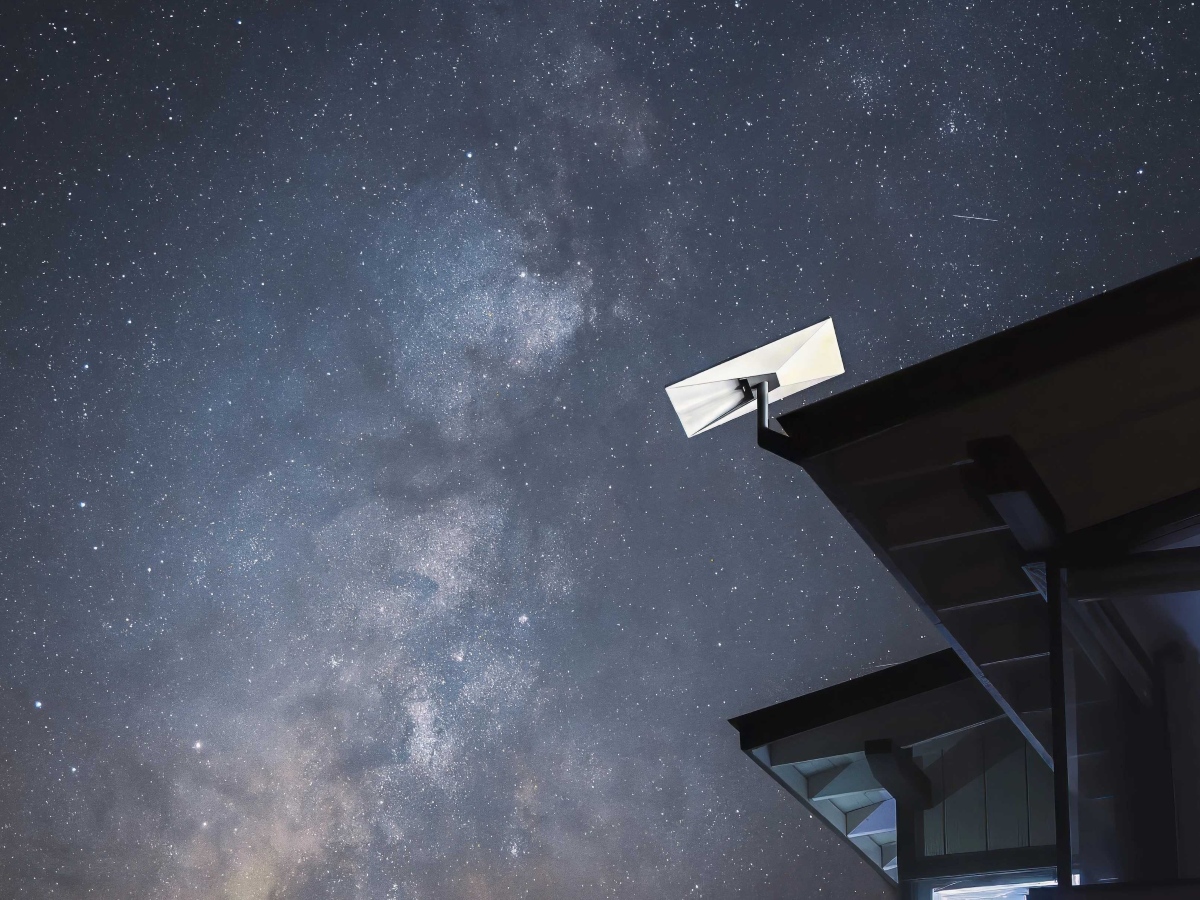
Elon Musk’s satellite internet promises a new way to get online. How will it coexist with the country's telecom giants?

A new generation of Indian entrepreneurs are building ambitious companies in space tech. One of them, Bellatrix Aerospace, has now set its sights on the global race to build a satellite for an ultra-low orbit.

The space tech startup’s next bet is to build a business where it can sell more than just hyperspectral imaging. The sky is the limit but the money is finite.
Elon Musk’s satellite internet promises a new way to get online. How will it coexist with the country's telecom giants?
A new generation of Indian entrepreneurs are building ambitious companies in space tech. One of them, Bellatrix Aerospace, has now set its sights on the global race to build a satellite for an ultra-low orbit.