/
•
•
Detailed stories on technology startups, business and economic current affairs.
In being highly selective about granting payment aggregator permits, the central bank signals that it will settle for nothing less than an impeccable track record.



Editor's note: A little over a week ago, the Reserve Bank of India announced that it was planning to extend the payment aggregator/gateway licensing norms—usually called the PA/PG rules—to offline payment aggregators. In other words, firms that acquire merchants through physical card payment terminals (Pine Labs) or QR codes (Paytm) would also need to be authorized by the RBI if they are to carry on their operations or set up a new business. This pertains to the guidelines that the central bank had introduced in March 2020 to regulate payment aggregators and payment gateways. A payment aggregator under the RBI’s rules is what is commonly referred to as a payment gateway service or company, which processes payments for online businesses; the central bank reserves the term “payment gateway” specifically for technology service providers, rather than the companies processing payments. The announcement piqued my curiosity. It marks an overhaul of procedures—a new regulatory regime altogether—for the whole gamut of payment processors. With this, the central bank is setting high barriers to entry, thus tightening supervision. The tough eligibility criteria under the new PA/PG …

In being highly selective about granting payment aggregator permits, the central bank signals that it will settle for nothing less than an impeccable track record.
Editor's note: A little over a week ago, the Reserve Bank of India announced that it was planning to extend the payment aggregator/gateway licensing norms—usually called the PA/PG rules—to offline payment aggregators. In other words, firms that acquire merchants through physical card payment terminals (Pine Labs) or QR codes (Paytm) would also need to be authorized by the RBI if they are to carry on their operations or set up a new business. This pertains to the guidelines that the central bank had introduced in March 2020 to regulate payment aggregators and payment gateways. A payment aggregator under the RBI’s rules is what is commonly referred to as a payment gateway service or company, which processes payments for online businesses; the central bank reserves the term “payment gateway” specifically for technology service providers, rather than the companies processing payments. The announcement piqued my curiosity. It marks an overhaul of procedures—a new regulatory regime altogether—for the whole gamut of payment processors. With this, the central bank is setting high barriers to entry, thus tightening supervision. The tough eligibility criteria under the new PA/PG …


The newly announced levy on UPI payments undermines the very foundation of using digital payments for stock market investing. Brokers are in a tizzy.
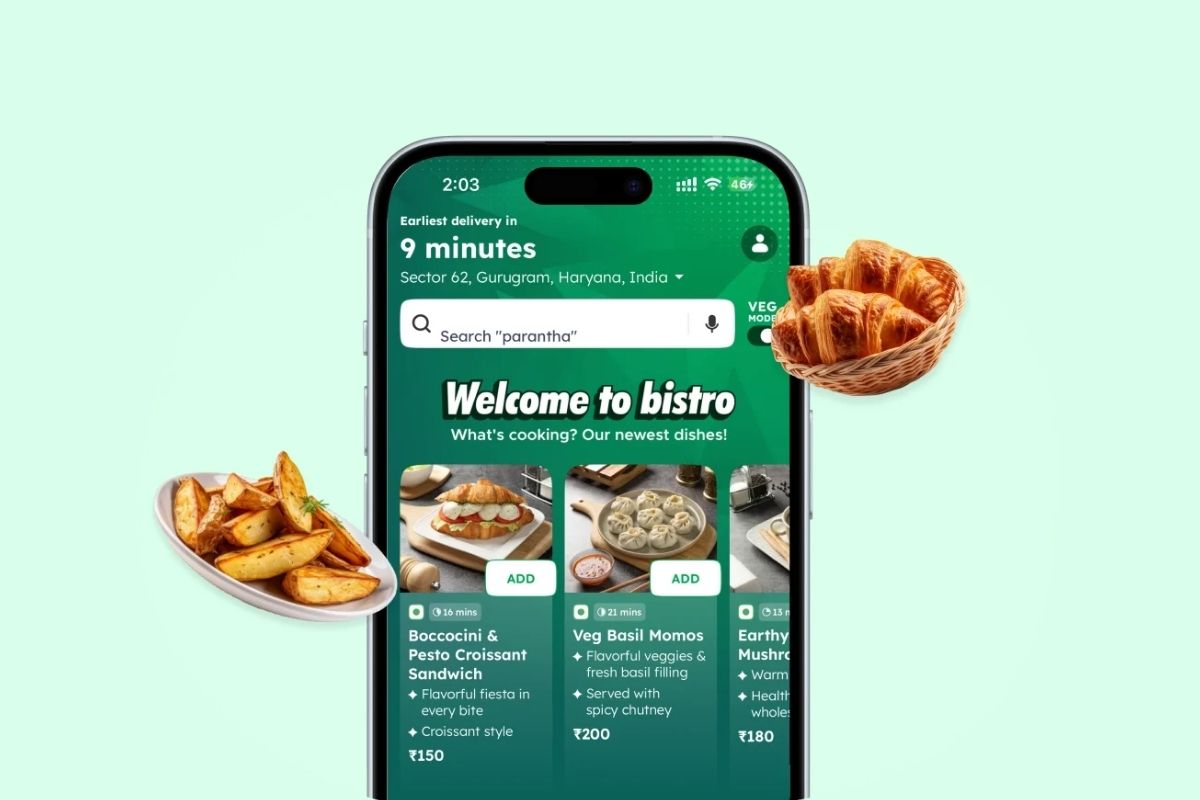
Bistro may look like a response to Swiggy and Rapido’s 'budget' food delivery apps, but the similarities end at affordability—the playbooks are fundamentally different.

In light of the recent exits of top executives at Swiggy’s quick commerce business, we look at the reasons behind the departures and whether it’s impacting the business.
The newly announced levy on UPI payments undermines the very foundation of using digital payments for stock market investing. Brokers are in a tizzy.
Bistro may look like a response to Swiggy and Rapido’s 'budget' food delivery apps, but the similarities end at affordability—the playbooks are fundamentally different.
In light of the recent exits of top executives at Swiggy’s quick commerce business, we look at the reasons behind the departures and whether it’s impacting the business.