/
•
•
Detailed stories on technology startups, business and economic current affairs.
Eight years and upwards of Rs 20,000 crore in capital later, Ritesh Agarwal and SoftBank Vision Fund have brought the carcass of their ambitions to the public markets.



Take a deep breath and pay close attention to this report card.
OYO was co-founded by Ritesh Agarwal in May 2013. Since then the company has raised about Rs 16,000 crore in venture capital and Rs 5,000 crore or thereabouts in debt. That’s a total capital raise of over Rs 20,000 crore.
For the 12 months ended 31 March 2021, the latest full fiscal year for which financials are available, the company recorded operating income of Rs 3,962 crore, of which only Rs 932 crore came from India. The company recorded a total loss of Rs 3,944 crore. In the …
The arrest and charges against an employee of the artificial intelligence company, fewer early-stage VC deals, and other updates.
Former WeWork chief is betting on the Mideast markets, fresh attacks have the Gulf on edge again, and other updates from this week.
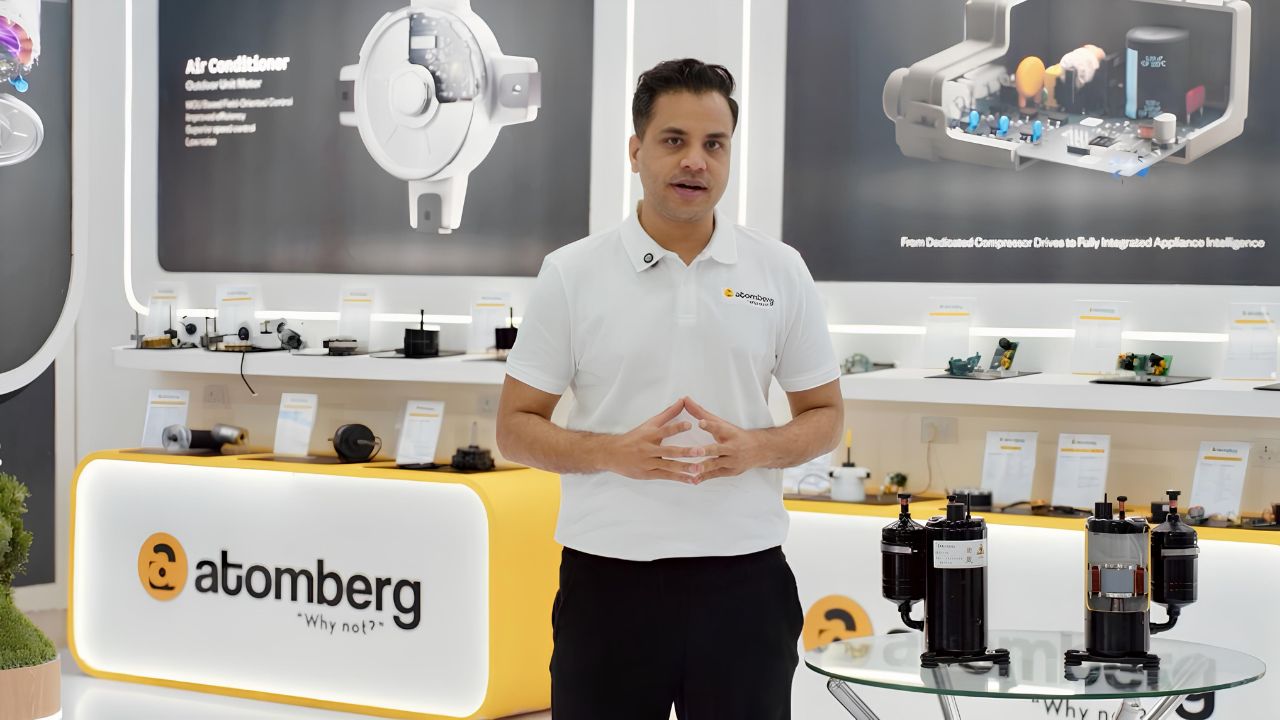
As the smart fan maker gears up for an IPO, prospective investors could do with some clarity on what the company’s next phase of growth will look like.