/
•
•
Detailed stories on technology startups, business and economic current affairs.
Investment a prelude to acquiring the hyperlocal delivery startup and getting into express deliveries.

Editor's note: Pranav here. The big news of the week was Reliance Retail investing about $200 million in hyperlocal delivery startup Dunzo for a 25.8% stake. The deal, announced yesterday, also saw Dunzo raise $40 million or so from some existing investors, such as Lightrock and Alteria Capital. The round, which saw the retail arm of oil-to-telecoms conglomerate Reliance Industries become Dunzo’s biggest shareholder, valued the Bengaluru-based startup at around $750-800 million. This is obviously a strategic investment, a prelude to Reliance Retail acquiring Dunzo and getting into a sector now termed quick commerce—rapid deliveries of groceries or consumer goods, usually under 30 minutes at the most. (It’s a revival of the hyperlocal delivery ambitions of the mid-2010s, which saw several startups fold or pivot.) Two things that led to the deal: the increasing competitiveness of fast groceries and Dunzo’s relative lack of financial muscle. The COVID-19 pandemic rapidly accelerated the growth and adoption of online grocery. The most recent trend has been the rise in excitement around express deliveries, or quick commerce, with some startups promising the delivery of essentials in …
Investment a prelude to acquiring the hyperlocal delivery startup and getting into express deliveries.
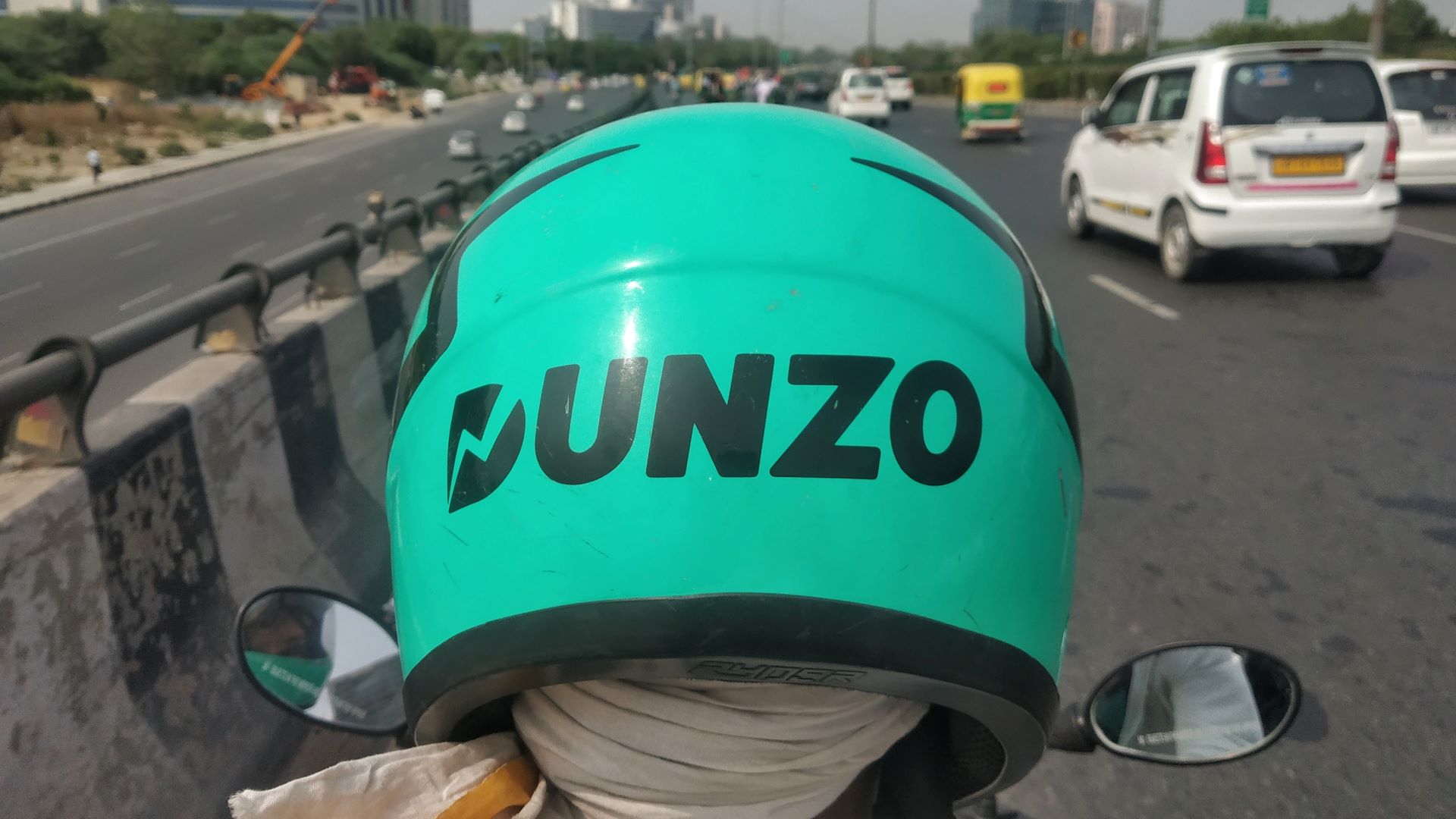
Editor's note: Pranav here. The big news of the week was Reliance Retail investing about $200 million in hyperlocal delivery startup Dunzo for a 25.8% stake. The deal, announced yesterday, also saw Dunzo raise $40 million or so from some existing investors, such as Lightrock and Alteria Capital. The round, which saw the retail arm of oil-to-telecoms conglomerate Reliance Industries become Dunzo’s biggest shareholder, valued the Bengaluru-based startup at around $750-800 million. This is obviously a strategic investment, a prelude to Reliance Retail acquiring Dunzo and getting into a sector now termed quick commerce—rapid deliveries of groceries or consumer goods, usually under 30 minutes at the most. (It’s a revival of the hyperlocal delivery ambitions of the mid-2010s, which saw several startups fold or pivot.) Two things that led to the deal: the increasing competitiveness of fast groceries and Dunzo’s relative lack of financial muscle. The COVID-19 pandemic rapidly accelerated the growth and adoption of online grocery. The most recent trend has been the rise in excitement around express deliveries, or quick commerce, with some startups promising the delivery of essentials in …

As the smart fan maker gears up for an IPO, prospective investors could do with some clarity on what the company’s next phase of growth will look like.
The retailer has shrunk operations to fix its loss-making vertical. But a reduced presence risks hurting volumes in a segment dominated by Blinkit and Instamart.
Instead of going after scale like Jio, the Sunil Bharti Mittal-led telecom giant is chasing a smaller but higher-quality customer base to grow its home broadband segment. Will the bet pay off?

As the smart fan maker gears up for an IPO, prospective investors could do with some clarity on what the company’s next phase of growth will look like.
The retailer has shrunk operations to fix its loss-making vertical. But a reduced presence risks hurting volumes in a segment dominated by Blinkit and Instamart.
Instead of going after scale like Jio, the Sunil Bharti Mittal-led telecom giant is chasing a smaller but higher-quality customer base to grow its home broadband segment. Will the bet pay off?