/
•
•
Detailed stories on technology startups, business and economic current affairs.
The food delivery platform is gung-ho about a public listing, but its window might be closing fast, and its unit economics remain a big concern.



Editor's note: It looks like Zomato is getting serious about becoming a public company. The Gurugram-based food delivery startup has, like many, had a tough year. While it started off with a bang, acquiring Uber’s Indian food delivery unit for $330 million, the COVID-19 pandemic and subsequent lockdowns in India took the wind out of its sails. Restaurant closures and a steep drop in orders led to pay cuts and layoffs, and Zomato struggled to keep going (one short-lived experiment was grocery delivery). The growing India-China dispute, which has seen the government ban foreign direct investment by Chinese companies, was another stumbling block. Zomato was due to receive a second funding tranche of $100 million from key investor Ant Financial—an affiliate of Chinese internet behemoth Alibaba—which couldn’t happen. Nevertheless, the company seems to be settling down. In the months since the initial lockdowns, delivery sales have recovered somewhat, nearing pre-COVID levels in some cities, Zomato CEO and founder Deepinder Goyal announced late September. That same month, Goyal wrote to employees saying that the company was looking at an initial public offering by …
The food delivery platform is gung-ho about a public listing, but its window might be closing fast, and its unit economics remain a big concern.
Editor's note: It looks like Zomato is getting serious about becoming a public company. The Gurugram-based food delivery startup has, like many, had a tough year. While it started off with a bang, acquiring Uber’s Indian food delivery unit for $330 million, the COVID-19 pandemic and subsequent lockdowns in India took the wind out of its sails. Restaurant closures and a steep drop in orders led to pay cuts and layoffs, and Zomato struggled to keep going (one short-lived experiment was grocery delivery). The growing India-China dispute, which has seen the government ban foreign direct investment by Chinese companies, was another stumbling block. Zomato was due to receive a second funding tranche of $100 million from key investor Ant Financial—an affiliate of Chinese internet behemoth Alibaba—which couldn’t happen. Nevertheless, the company seems to be settling down. In the months since the initial lockdowns, delivery sales have recovered somewhat, nearing pre-COVID levels in some cities, Zomato CEO and founder Deepinder Goyal announced late September. That same month, Goyal wrote to employees saying that the company was looking at an initial public offering by …
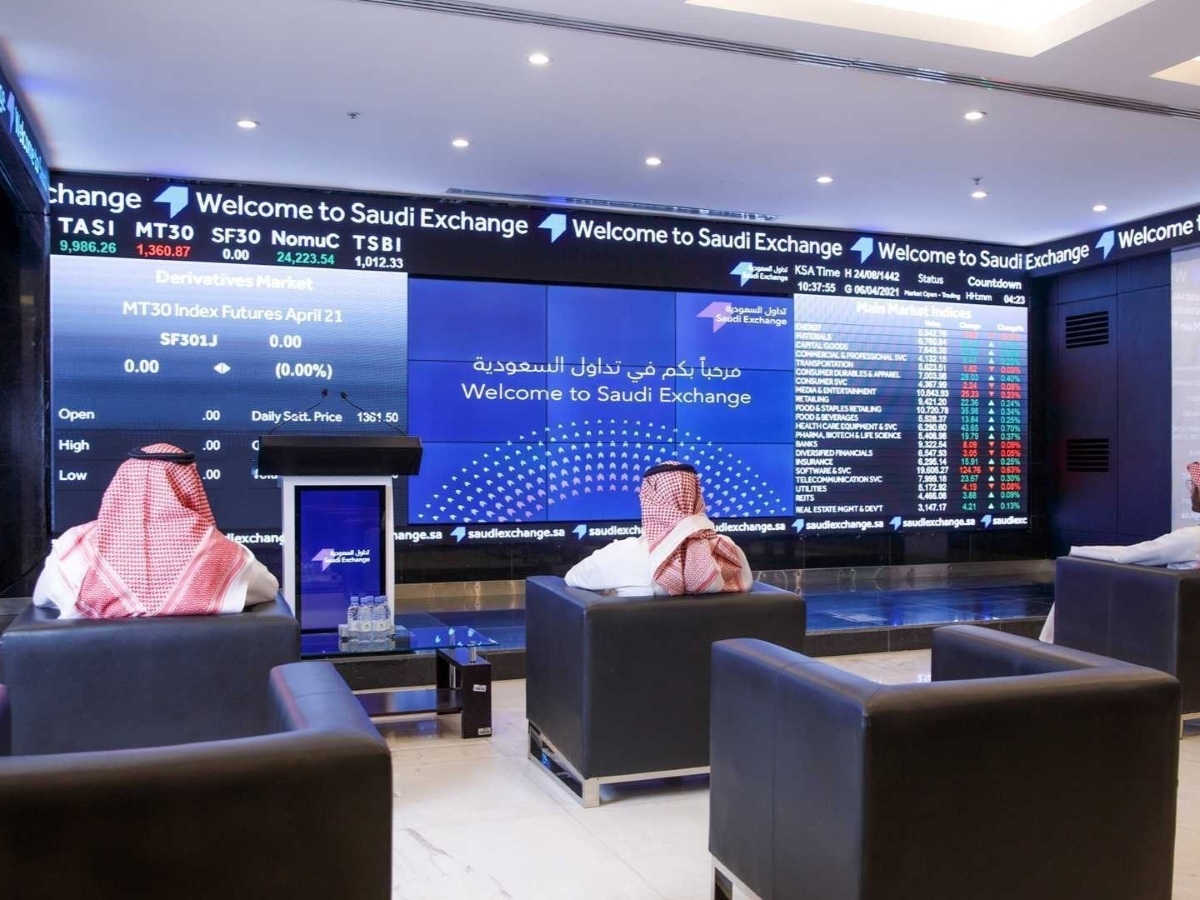
The kingdom is moving to tighten the rules around public listings, algorithmic trading, trading in foreign securities and company disclosures—all in an effort to chase transparency.

As the smart fan maker gears up for an IPO, prospective investors could do with some clarity on what the company’s next phase of growth will look like.
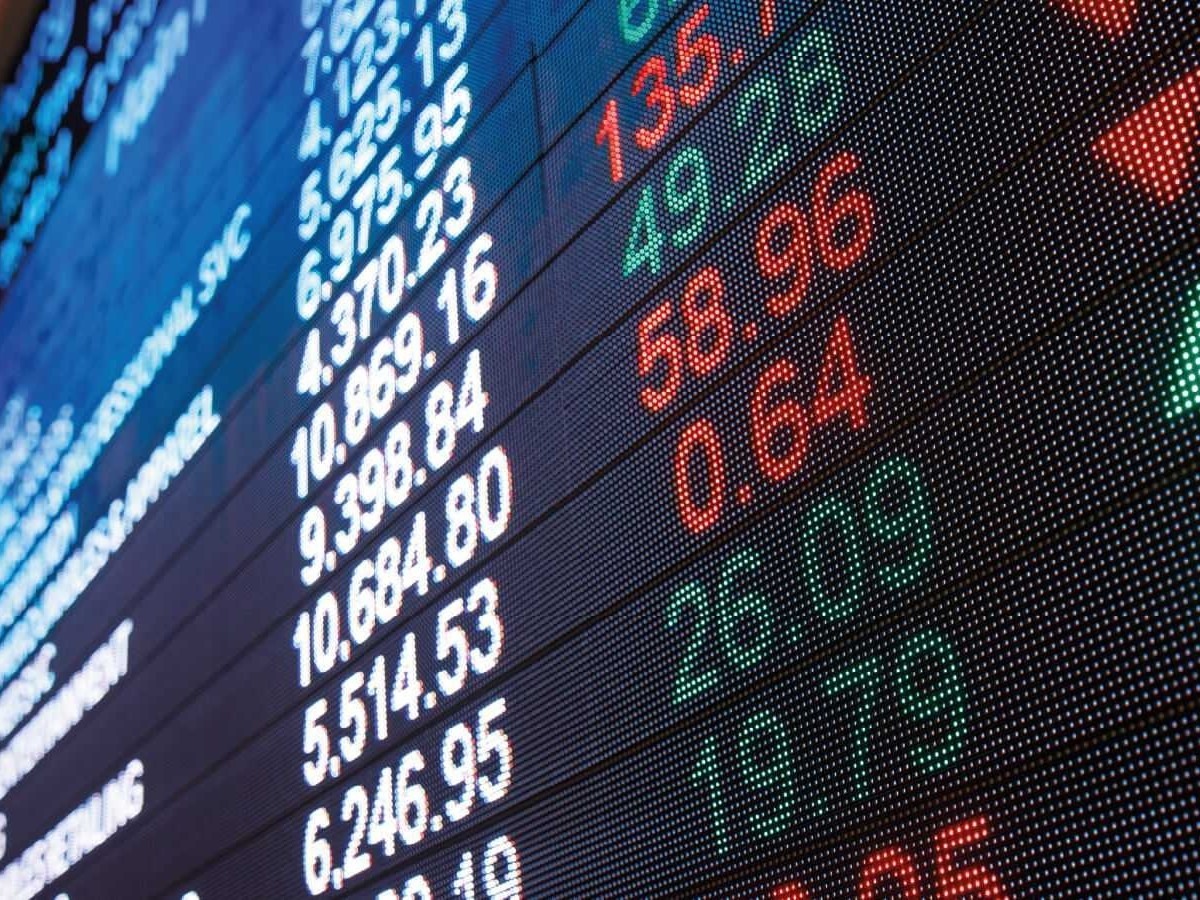
The stock market regulator is investigating a string of disappointing public listings. The idea is to send a message.
The kingdom is moving to tighten the rules around public listings, algorithmic trading, trading in foreign securities and company disclosures—all in an effort to chase transparency.
As the smart fan maker gears up for an IPO, prospective investors could do with some clarity on what the company’s next phase of growth will look like.
The stock market regulator is investigating a string of disappointing public listings. The idea is to send a message.