/
•
•
Detailed stories on technology startups, business and economic current affairs.
In a world where anonymity is misused every day, can a new Indian anonymous platform make sure it’s not the next 4chan?



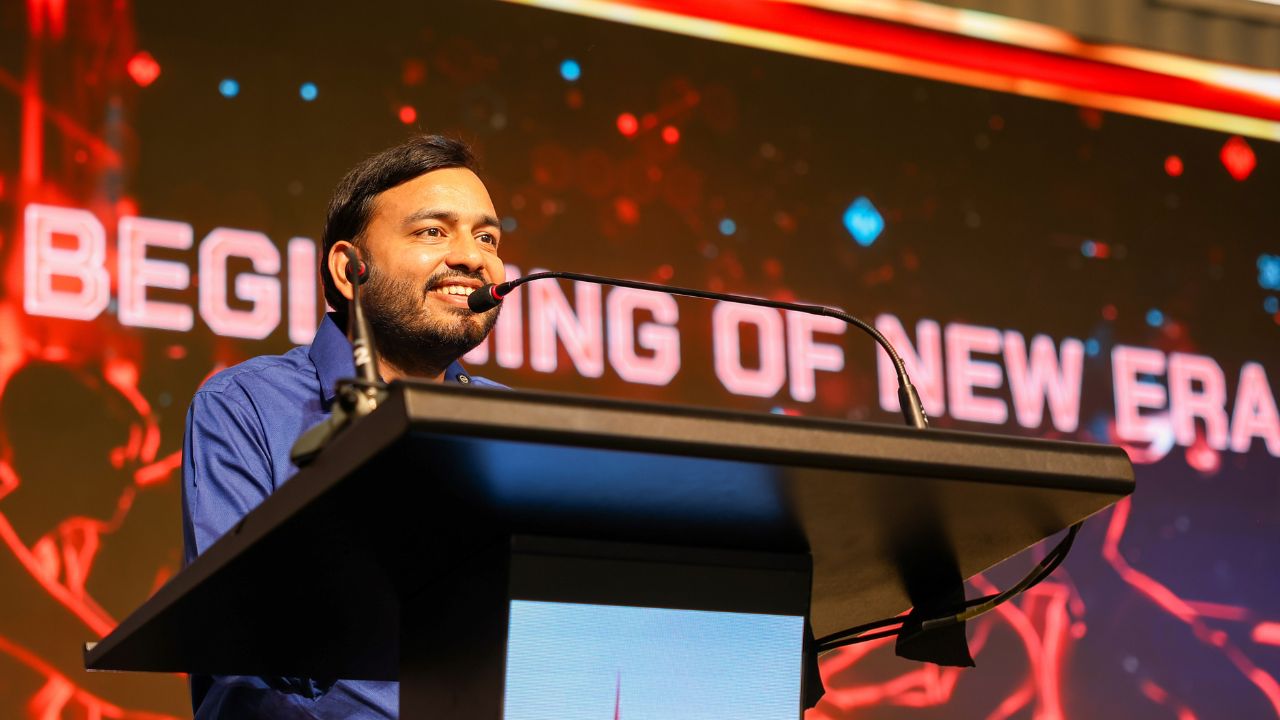
Zorro is coming. Named after American pulp writer Johnston McCulley’s vigilante, it’s a social network positioned as the ultimate in anonymous online communities for the Indian diaspora.
“Wear a mask & build your own private identity,” says its home page, where you can join the waiting list. Zorro has already taken the limelight. Not because of its pitch or its three founders—Jasveer Singh, Deepak Kumar and Abhishek Asthana (who goes by the popular handle “@GabbbarSingh” on Twitter)—who are interesting in their own right, but because it is backed by some of the heavyweights of the Indian startup community, with a …
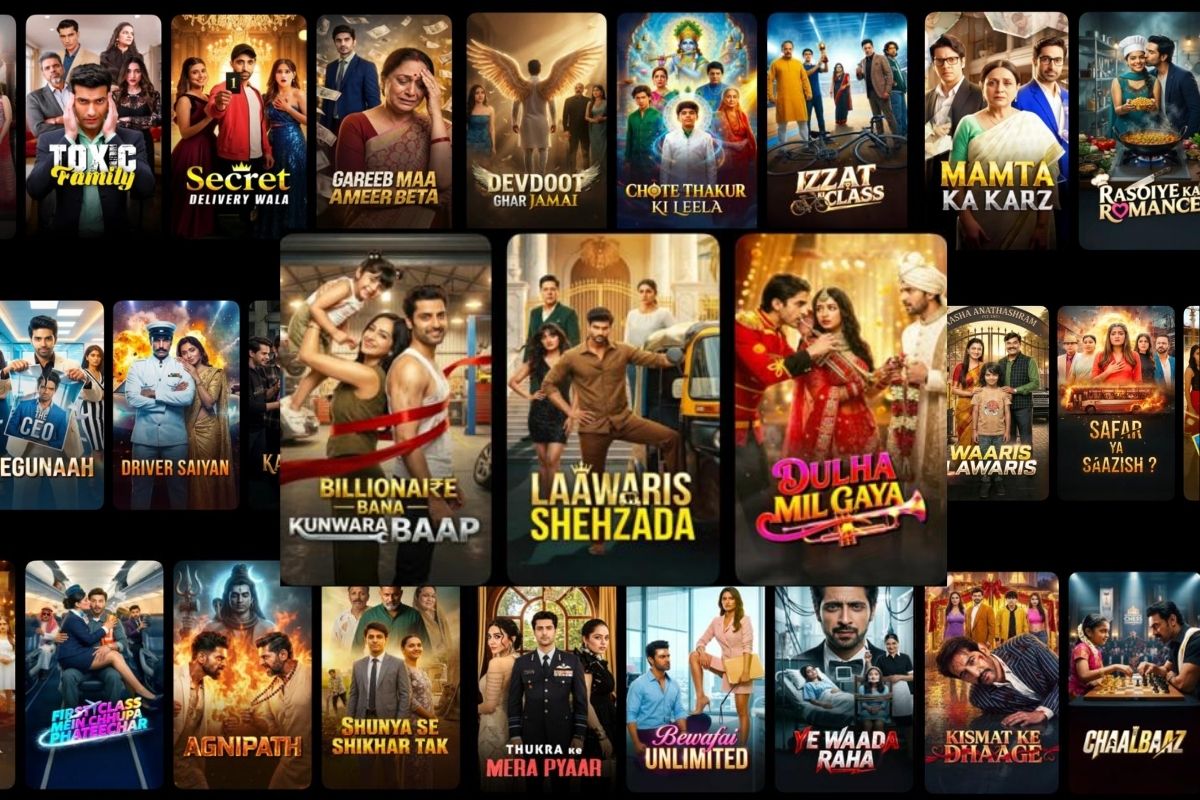
The homegrown social startup is betting big on India’s latest content obsession—minute-long episodes of high-stakes dramas. Cut through the noise and the microdrama hype itself doesn’t add up.

The audio chat app turned profitable by connecting people from tier-2 and tier-3 India with users who speak the same vernacular language. But its aim to turn it into a sustainable business seems too ambitious.

The recent controversy over Zepto’s differential pricing and lack of transparency trains the spotlight on the deceptions and trickery that digital companies resort to in the name of innovative business practices.