/
•
•
Detailed stories on technology startups, business and economic current affairs.
Relying on a string of acquisitions and a liberalized equipment procurement policy, his Adani group could emerge as a key player in defence contracts.



Editor's note: The Adani group’s fortunes in the defence and aerospace industry could be turning for the better. Over the past two years, the Gautam Adani-led group’s defence arm has made considerable headway in bagging contracts, rivalling well-known private players. Compared to Larsen & Toubro, the Mahindra Group, Tata Advanced Systems, Ashok Leyland and Bharat Forge, Adani Defence Systems and Technologies is fairly young. The wholly-owned subsidiary of Adani Enterprises, founded in 2015, has had little to show for the seven years of its existence. That may be changing now, thanks to a slew of acquisitions, partnerships and contracts. Adani Defence’s order book stood at almost Rs 8,000 crore at the end of 2021-22, of which orders worth Rs 3,500 crore were awarded just last year. In comparison, Larsen & Toubro, which has been involved in the defence sector since the 1980s, had an order book of Rs 12,537 crore, of which orders worth Rs 8,079 crore were secured last fiscal. Traditionally, defence contracts have been awarded to state-owned companies, given their research, design and manufacturing capabilities. But the private sector’s share …
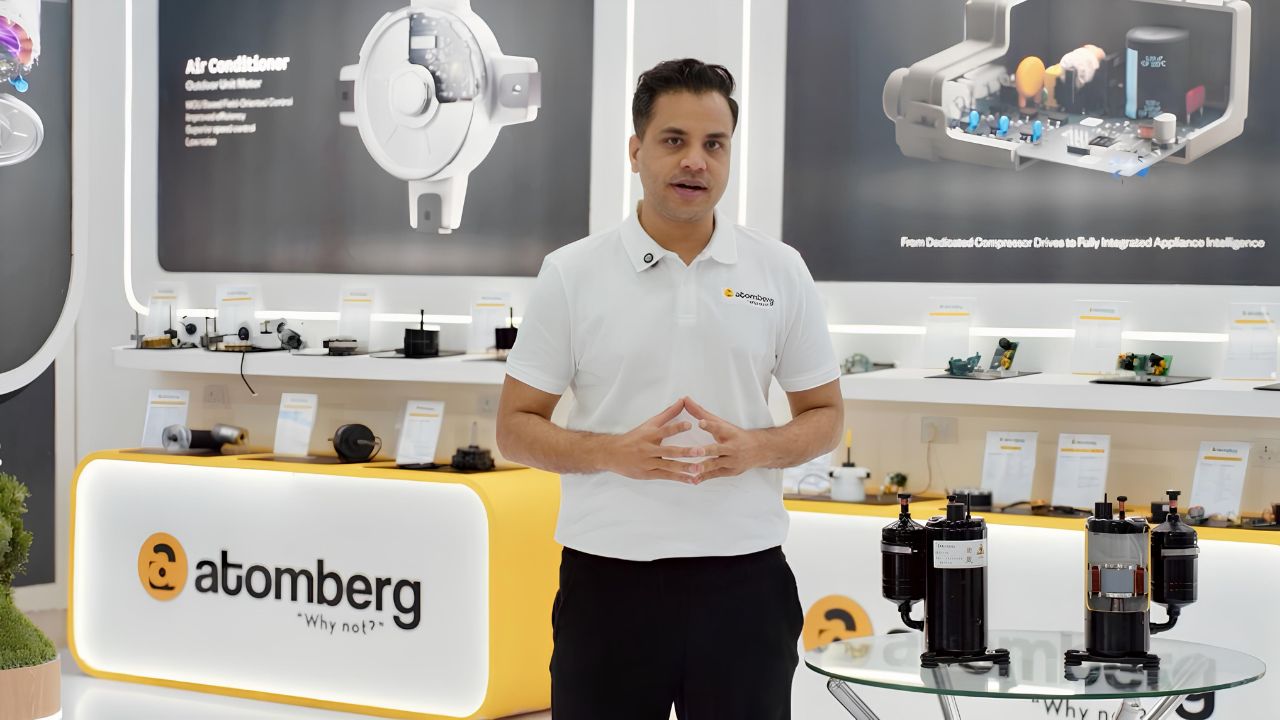
As the smart fan maker gears up for an IPO, prospective investors could do with some clarity on what the company’s next phase of growth will look like.
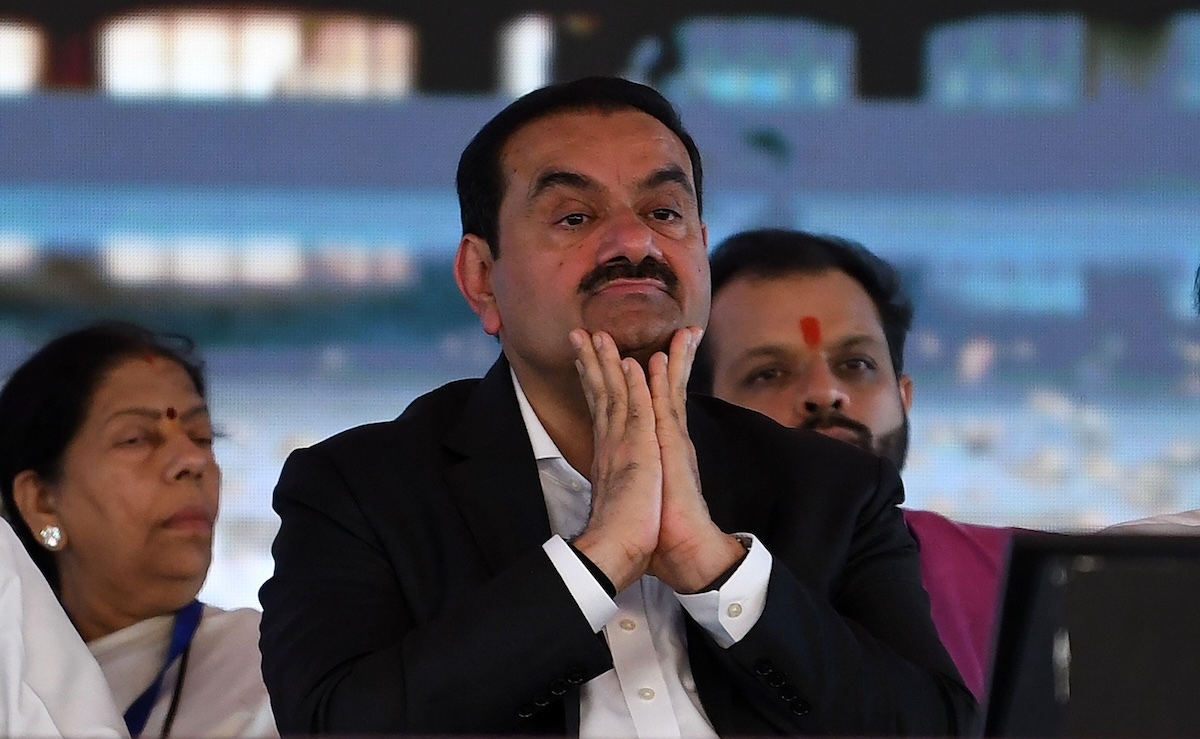
A regulatory easing could see the billionaire’s conglomerate move from running airports to owning an airline—an idea he is warming up to, with multiple options open.
After a strong listing, Vedanta Aluminium Metal is running into some headwinds. Aluminium prices are easing, but the sharper challenge is rising competition from Kumar Mangalam Birla and Gautam Adani.