/
•
•
Detailed stories on technology startups, business and economic current affairs.
Will the consumer goods company’s financial strength and market reach be enough to challenge well-entrenched rivals?



Editor's note: When the pandemic confined Delhi resident Sonali Sharma to her house in 2020, she decided to adopt Zoey, a golden retriever, from one of her relatives. Swati Ekka, from Ranchi in Jharkhand, also became a new pet parent last year, to help cope with the loss of her father in the first wave of COVID-19. Her pet is a Siberian husky named Icy. Sharma and Ekka are among an estimated 30 million pet owners in India, a number that’s expanding by about 3 million each year ever since the onset of the pandemic. This spike in ownership has resulted in double-digit growth for the pet care industry, so far an outlier in the packaged consumer goods sector. “It’s a COVID-19 phenomenon. The fundamentals of family were anyway changing, but COVID-19 furthered the change. There is this sense of loneliness that has set in and, hence, the pet care sector has changed significantly since the pandemic,” says an investor who tracks the pet care industry, asking not to be named. The numbers bear this investor out. Pet care in India is …

Will the consumer goods company’s financial strength and market reach be enough to challenge well-entrenched rivals?
Editor's note: When the pandemic confined Delhi resident Sonali Sharma to her house in 2020, she decided to adopt Zoey, a golden retriever, from one of her relatives. Swati Ekka, from Ranchi in Jharkhand, also became a new pet parent last year, to help cope with the loss of her father in the first wave of COVID-19. Her pet is a Siberian husky named Icy. Sharma and Ekka are among an estimated 30 million pet owners in India, a number that’s expanding by about 3 million each year ever since the onset of the pandemic. This spike in ownership has resulted in double-digit growth for the pet care industry, so far an outlier in the packaged consumer goods sector. “It’s a COVID-19 phenomenon. The fundamentals of family were anyway changing, but COVID-19 furthered the change. There is this sense of loneliness that has set in and, hence, the pet care sector has changed significantly since the pandemic,” says an investor who tracks the pet care industry, asking not to be named. The numbers bear this investor out. Pet care in India is …

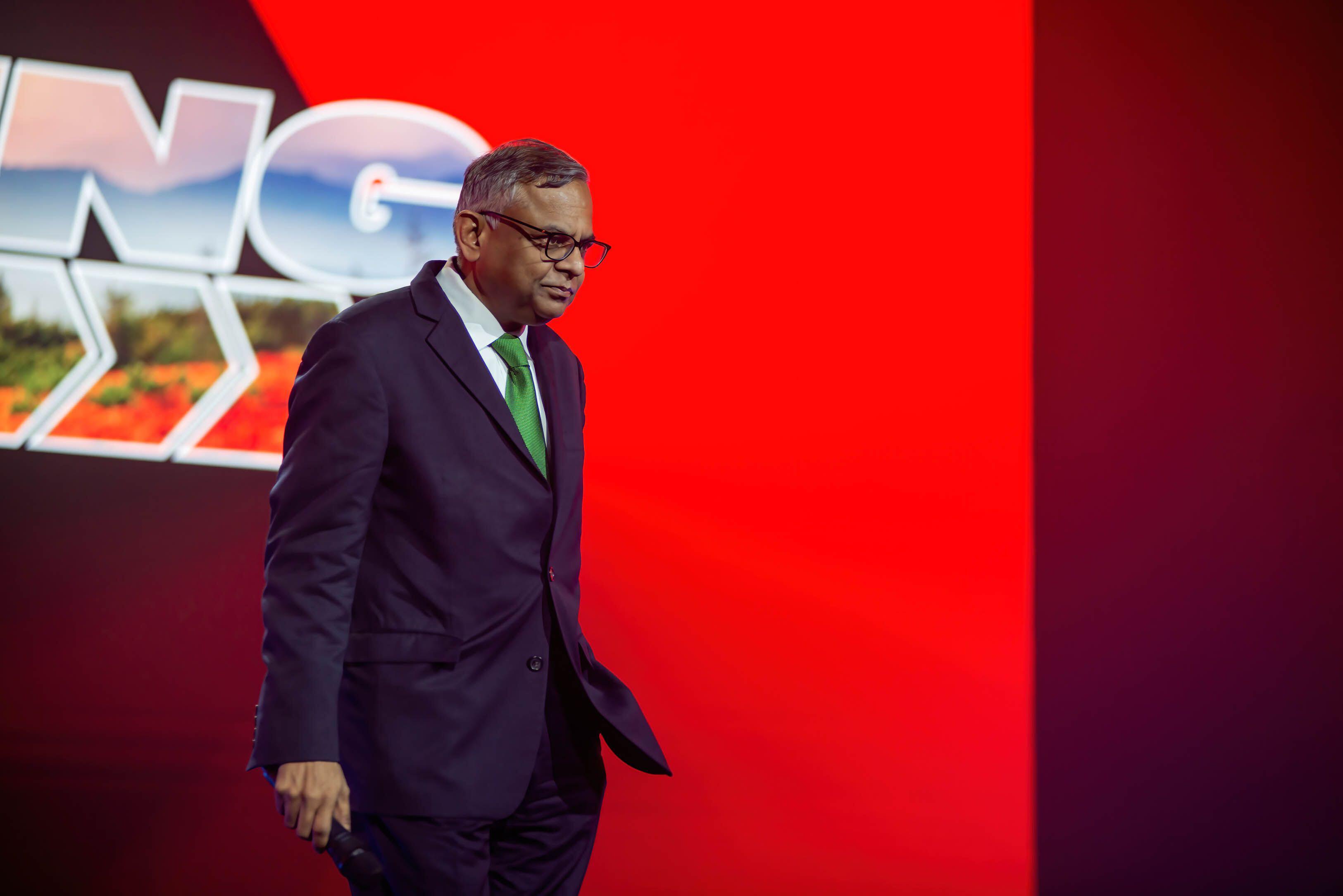
The FMCG major acquired the maker of Ching’s Secret to make the most of its high margins, but things didn’t go to plan. Two years and a few lessons later, TCPL is trying to change that.

Reliance Consumer Products is relying on aggressive pricing in the hope that its staples brand will become a household name. But such tactics can go only so far.
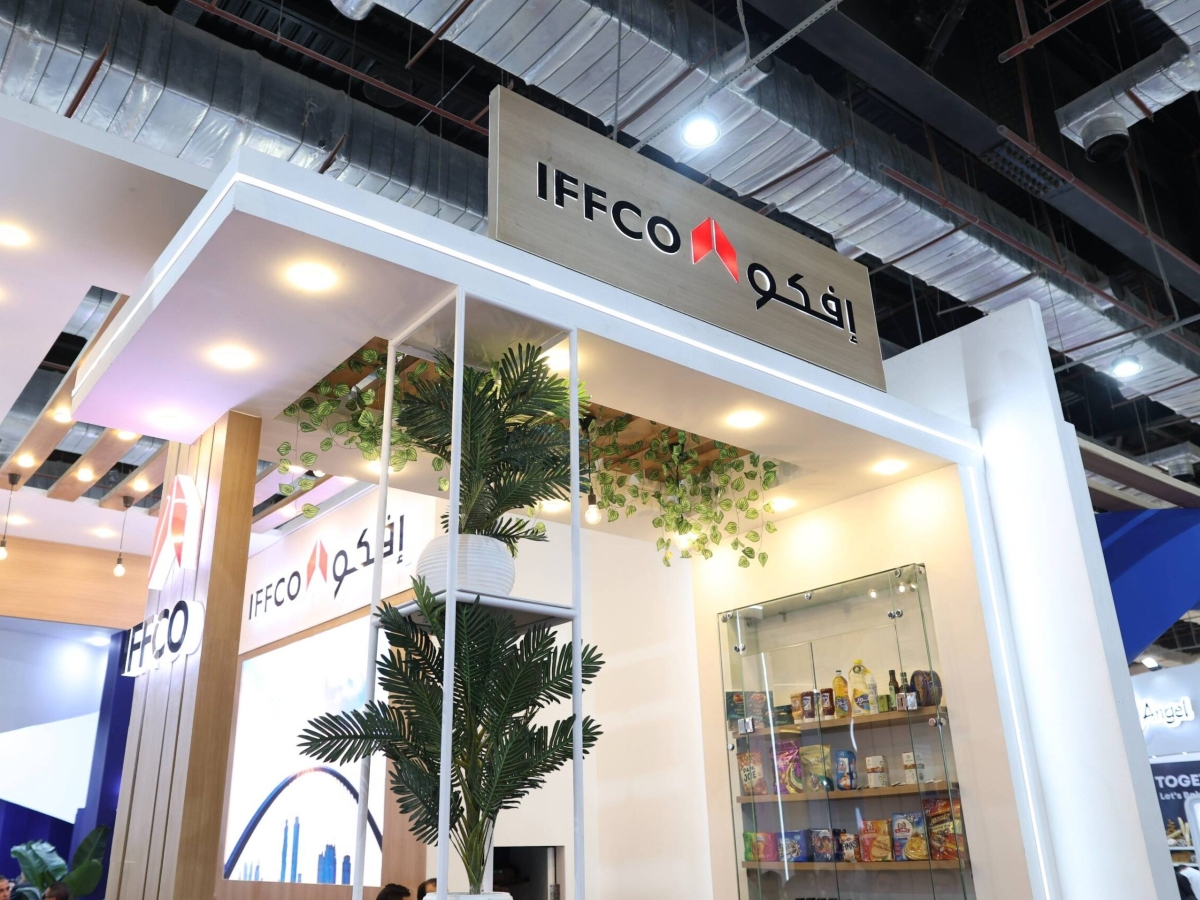
The food and FMCG giant is set to be put into provisional liquidation. Abu Dhabi’s IHC and Emaar founder Mohamed Alabbar are now eyeing it.
The FMCG major acquired the maker of Ching’s Secret to make the most of its high margins, but things didn’t go to plan. Two years and a few lessons later, TCPL is trying to change that.
Reliance Consumer Products is relying on aggressive pricing in the hope that its staples brand will become a household name. But such tactics can go only so far.
The food and FMCG giant is set to be put into provisional liquidation. Abu Dhabi’s IHC and Emaar founder Mohamed Alabbar are now eyeing it.