/
•
•
Detailed stories on technology startups, business and economic current affairs.
The mall operator has been a proxy for India’s consumption story over two decades. COVID-19 has hit hard at a time deep-pocketed rivals are gunning for it.



On 25 February, the country’s biggest mall owner, The Phoenix Mills Ltd, was busting the charts. The stock touched a lifetime high and market valuation topped $2 billion. Earlier in February, the company had reported revenue growth of 23% for the first nine months of 2019-20, while net profit was up 50%. Despite the slowdown that gripped the Indian economy, there seemed to be no dearth of high-end retailers keen to open shops in over half a dozen Phoenix malls across the country.
Its owner, Atul Ruia, 49, who inherited a bankrupt crumbling mill in the late 1990s, seemed to …

As the smart fan maker gears up for an IPO, prospective investors could do with some clarity on what the company’s next phase of growth will look like.
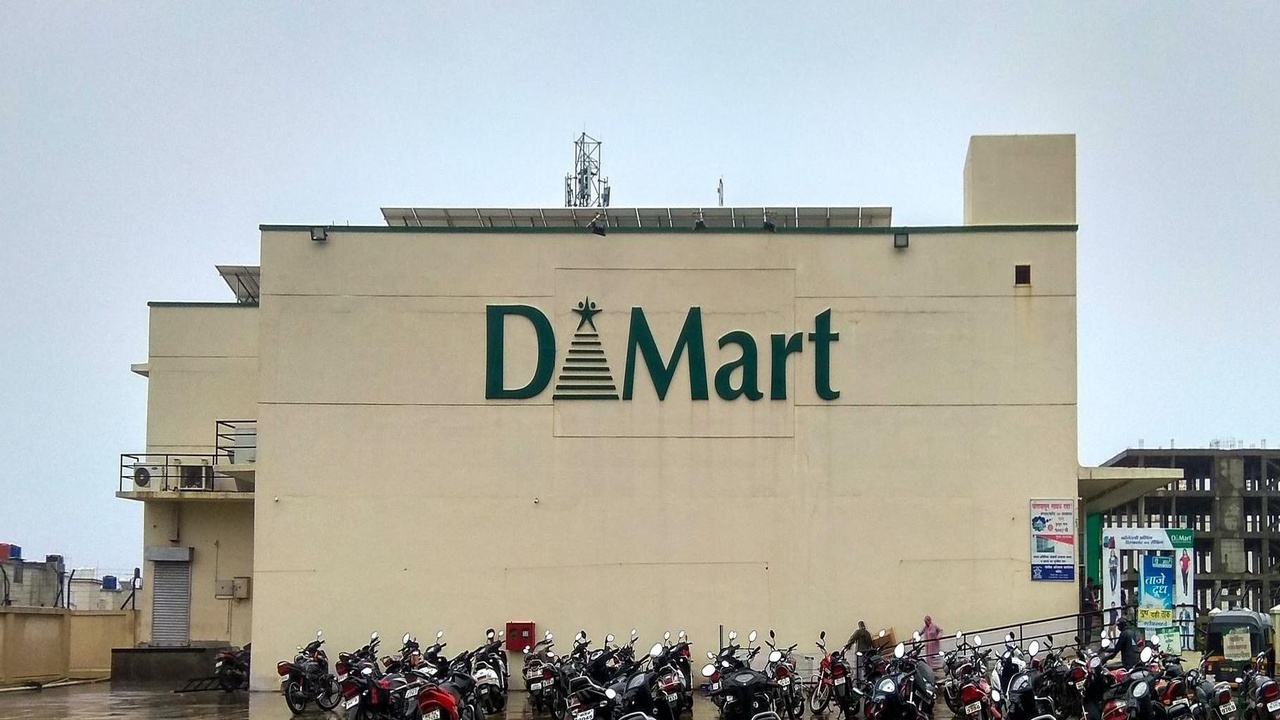
The retailer has shrunk operations to fix its loss-making vertical. But a reduced presence risks hurting volumes in a segment dominated by Blinkit and Instamart.

Brands are struggling amid plunging prices of lab-grown diamonds, poor margins, intense competition, shaky global demand and a domestic market where tradition continues to shape buying decisions.