/
•
•
Detailed stories on technology startups, business and economic current affairs.
The neighbourhood stores were to be a pillar of Reliance Retail’s industry-disrupting omnichannel strategy. But things may not have worked out exactly as planned.



Editor's note: Seven or eight years ago, D took over his family’s grocery store in Solapur, Maharashtra. Today, his little store in a tier-2 city is a microcosm of the ambitions, successes and failures of India’s largest retailer in conquering the neighbourhood mom-and-pop shop. Sometime in 2020, D became a Reliance JioMart kirana partner. Reliance Retail had come with a unique package deal: Stand out from the dozens of other local stores as a JioMart-branded location, driving more walk-insSource from Reliance JioMart’s wholesale service, with better rates and faster turnaround times than what other distributors offerUse the company’s JioPOS card machines to collect payments, and use JioMart’s software to catalogue stockAlso get online orders from customers using JioMart’s WhatsApp ordering service Three or so years later, D is mostly content. His shop, more a mini supermarket now than an old-school kirana, does get more customers, with sales consistently up from before. He also gets a good deal from Reliance on wholesale goods, and even though the discounts he receives have come down, the faster, more frequent deliveries are a big positive. At …

The neighbourhood stores were to be a pillar of Reliance Retail’s industry-disrupting omnichannel strategy. But things may not have worked out exactly as planned.
Editor's note: Seven or eight years ago, D took over his family’s grocery store in Solapur, Maharashtra. Today, his little store in a tier-2 city is a microcosm of the ambitions, successes and failures of India’s largest retailer in conquering the neighbourhood mom-and-pop shop. Sometime in 2020, D became a Reliance JioMart kirana partner. Reliance Retail had come with a unique package deal: Stand out from the dozens of other local stores as a JioMart-branded location, driving more walk-insSource from Reliance JioMart’s wholesale service, with better rates and faster turnaround times than what other distributors offerUse the company’s JioPOS card machines to collect payments, and use JioMart’s software to catalogue stockAlso get online orders from customers using JioMart’s WhatsApp ordering service Three or so years later, D is mostly content. His shop, more a mini supermarket now than an old-school kirana, does get more customers, with sales consistently up from before. He also gets a good deal from Reliance on wholesale goods, and even though the discounts he receives have come down, the faster, more frequent deliveries are a big positive. At …

Colgate ties up with 100Days.co to scale Palmolive online. But the long overlooked brand may need more than a digital push.
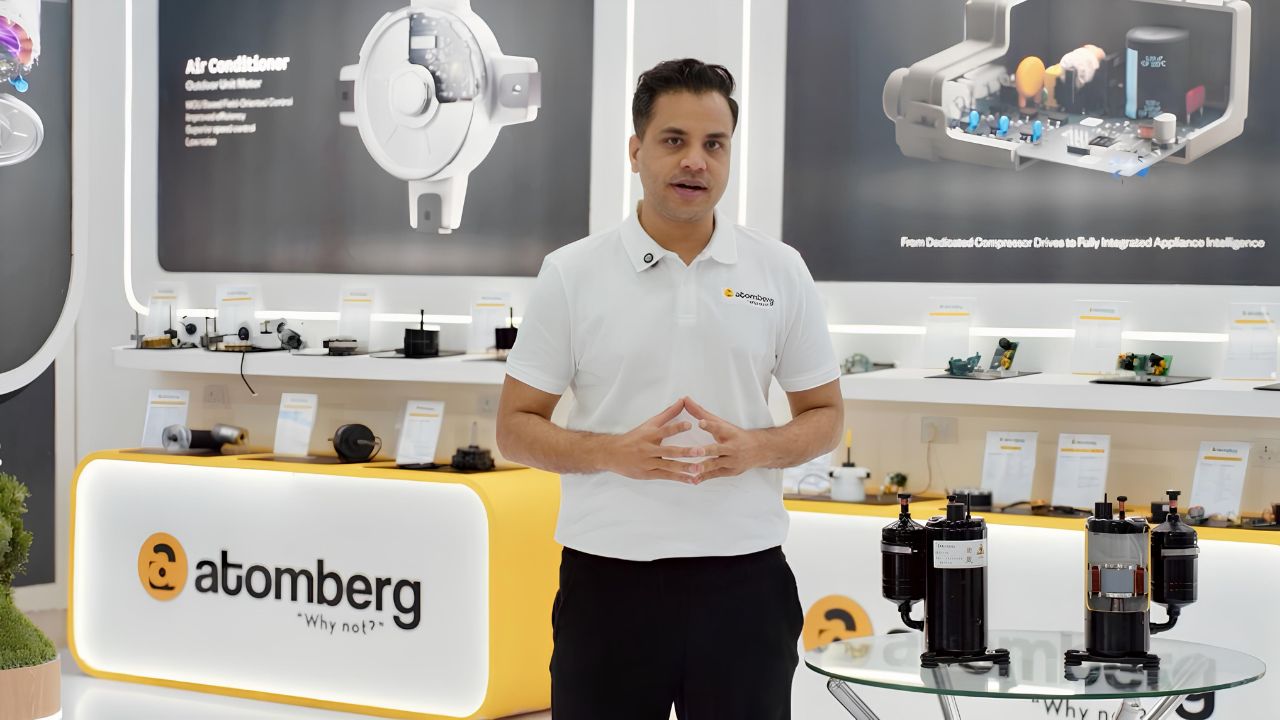
As the smart fan maker gears up for an IPO, prospective investors could do with some clarity on what the company’s next phase of growth will look like.
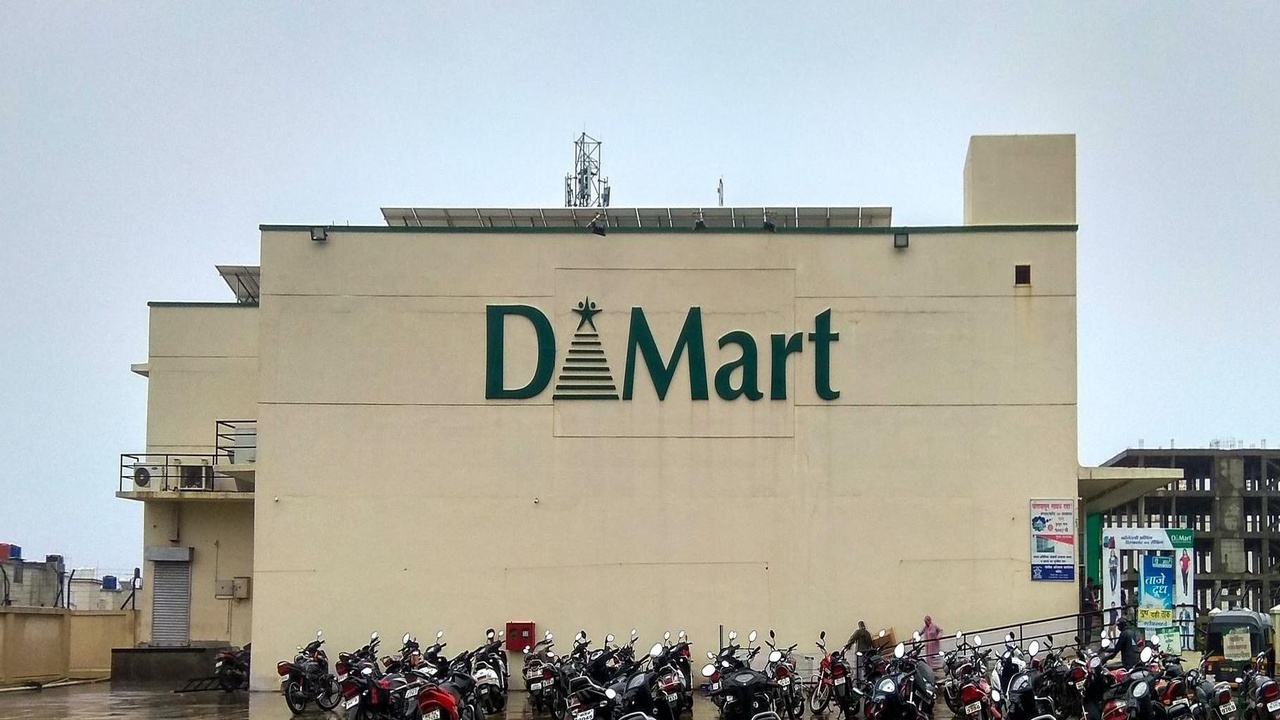
The retailer has shrunk operations to fix its loss-making vertical. But a reduced presence risks hurting volumes in a segment dominated by Blinkit and Instamart.
Colgate ties up with 100Days.co to scale Palmolive online. But the long overlooked brand may need more than a digital push.
As the smart fan maker gears up for an IPO, prospective investors could do with some clarity on what the company’s next phase of growth will look like.
The retailer has shrunk operations to fix its loss-making vertical. But a reduced presence risks hurting volumes in a segment dominated by Blinkit and Instamart.