/
•
•
Detailed stories on technology startups, business and economic current affairs.
With its deal to acquire Future Retail called off, Reliance is stuck with empty stores, freshly hired personnel, over Rs 3,000 crore in liabilities and shattered dreams.



The 18-month battle over the biggest merger and acquisition in India’s modern retail came to an abrupt end last Saturday and the optics suggest that Reliance Industries Ltd has emerged as the only winner in the entire saga.
Future Retail Ltd, the flagship of the Kishore Biyani-promoted Future Group, which Reliance made a bid to acquire along with other assets in September 2020 for Rs 24,713 crore, is a step closer to being declared bankrupt. The world’s largest e-commerce player Amazon will also stand to lose the Rs 1,431 crore it invested in the group in 2019.
The creditors, mostly …

As the smart fan maker gears up for an IPO, prospective investors could do with some clarity on what the company’s next phase of growth will look like.
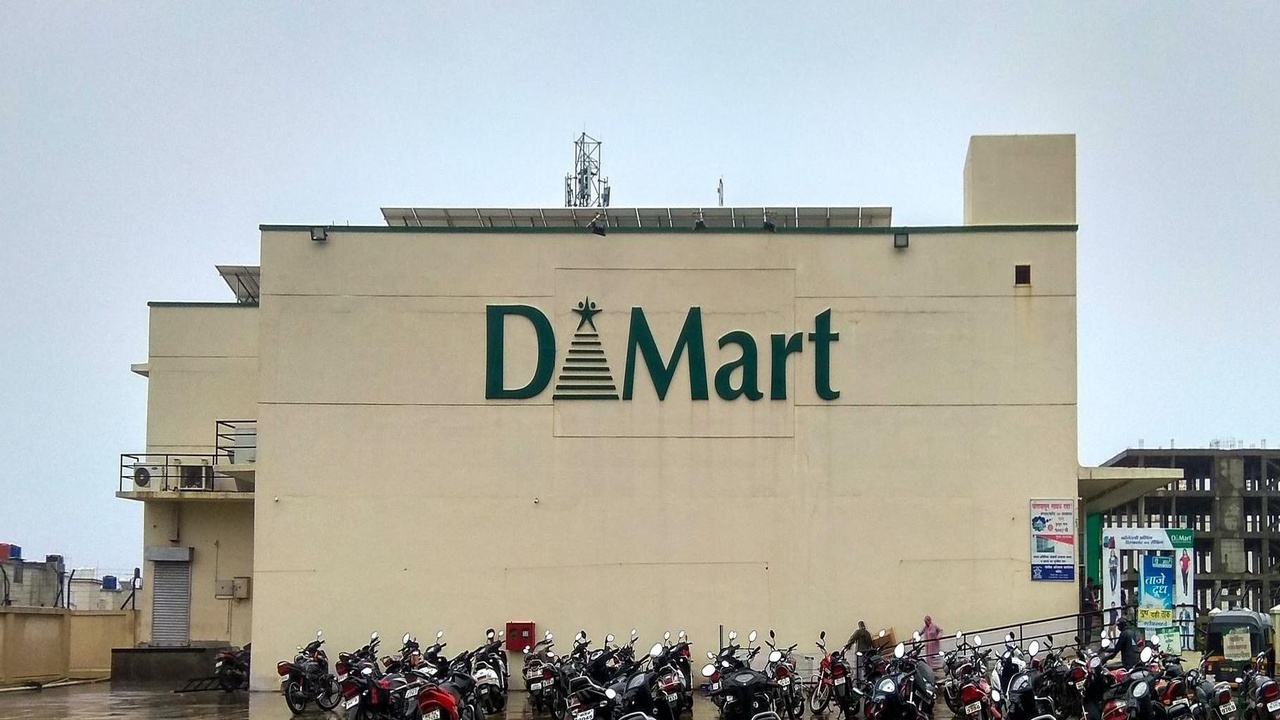
The retailer has shrunk operations to fix its loss-making vertical. But a reduced presence risks hurting volumes in a segment dominated by Blinkit and Instamart.