/
•
•
Detailed stories on technology startups, business and economic current affairs.
From launching products in segments with clear market leaders to nurturing startups, the objective is to get to Marico 2.0 in three years. Will CEO Saugata Gupta’s speed pay off?



Editor's note: At Marico, the refrain seems to be about punching above one’s weight. In the 1990s, founder and chairman Harsh Mariwala managed to ward off competition and a near-hostile offer from packaged consumer goods biggie Hindustan Lever (now Hindustan Unilever Ltd, or HUL) to buy Parachute, Marico’s mainstay coconut hair oil brand. As Mariwala recounts in the recently released book, then Hindustan Lever chairman Keki Dadiseth even issued a not-so-veiled threat—“Marico will be history”—if the deal didn’t happen. Mariwala did not budge. Instead, later in 2006, he bought out Hindustan Lever’s Nihar hair oil brand in a stunning reversal of fortunes. Saugata Gupta, who was then two years into his stint at Marico as head of marketing, would have learnt a lesson or two from Mariwala’s unexpected victory over the industry goliath. Gupta had joined the company after stints at Cadbury (now Mondelez) and ICICI Prudential Life Insurance. At Marico, he had made an immediate impression, which saw him get elevated as the India CEO in 2007, and eventually take over from Mariwala as MD and CEO in 2014. Gupta may …
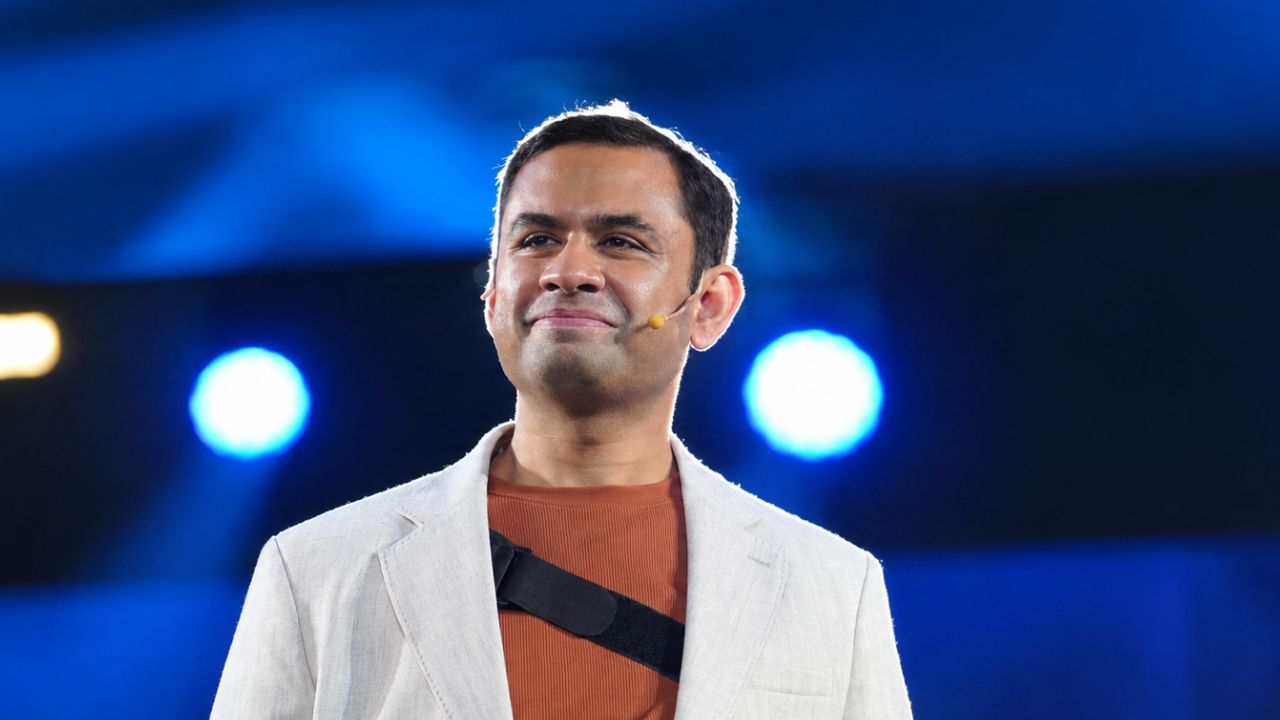
From launching products in segments with clear market leaders to nurturing startups, the objective is to get to Marico 2.0 in three years. Will CEO Saugata Gupta’s speed pay off?
Editor's note: At Marico, the refrain seems to be about punching above one’s weight. In the 1990s, founder and chairman Harsh Mariwala managed to ward off competition and a near-hostile offer from packaged consumer goods biggie Hindustan Lever (now Hindustan Unilever Ltd, or HUL) to buy Parachute, Marico’s mainstay coconut hair oil brand. As Mariwala recounts in the recently released book, then Hindustan Lever chairman Keki Dadiseth even issued a not-so-veiled threat—“Marico will be history”—if the deal didn’t happen. Mariwala did not budge. Instead, later in 2006, he bought out Hindustan Lever’s Nihar hair oil brand in a stunning reversal of fortunes. Saugata Gupta, who was then two years into his stint at Marico as head of marketing, would have learnt a lesson or two from Mariwala’s unexpected victory over the industry goliath. Gupta had joined the company after stints at Cadbury (now Mondelez) and ICICI Prudential Life Insurance. At Marico, he had made an immediate impression, which saw him get elevated as the India CEO in 2007, and eventually take over from Mariwala as MD and CEO in 2014. Gupta may …
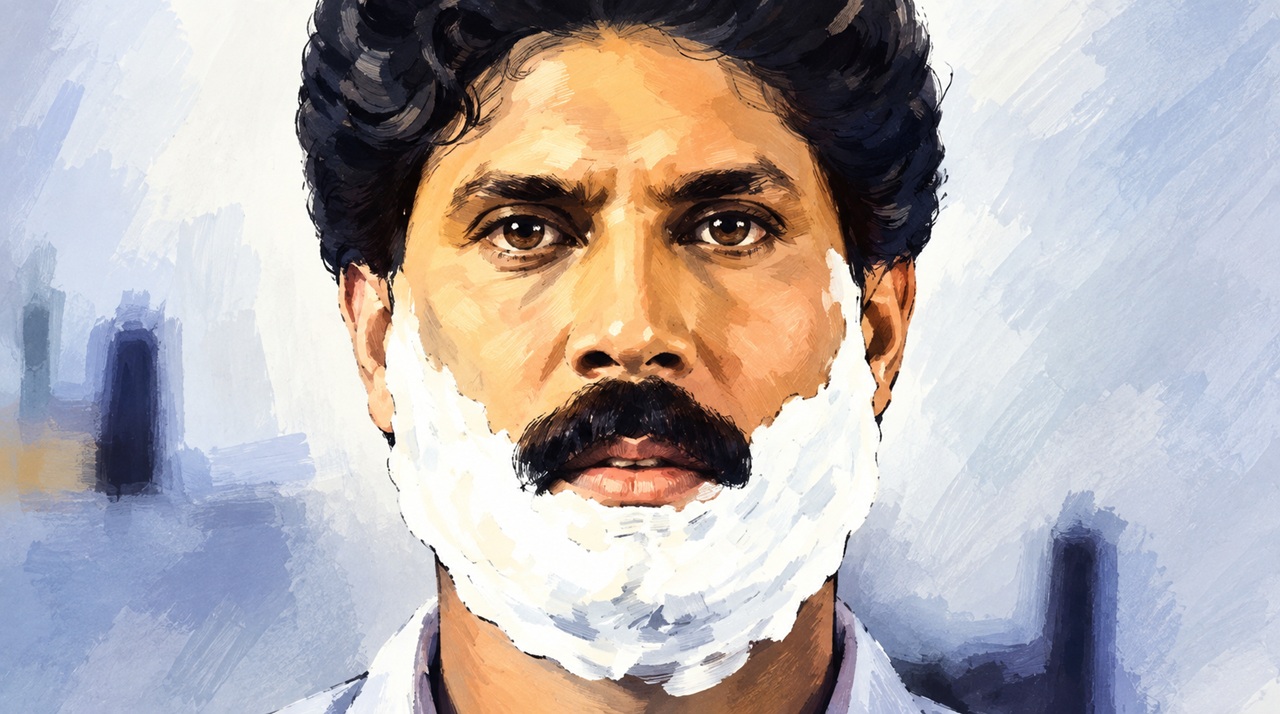
Colgate ties up with 100Days.co to scale Palmolive online. But the long overlooked brand may need more than a digital push.
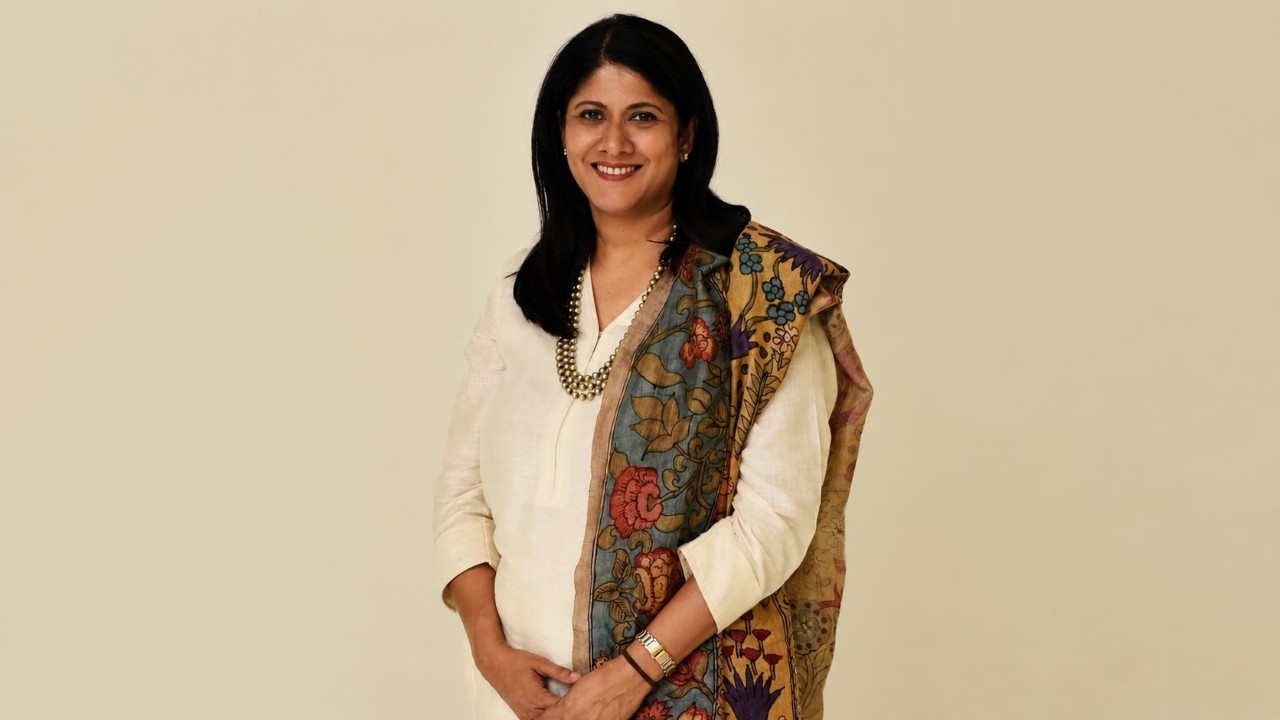
Investors expect the FMCG major to get back on the growth track in the quarters ahead, but protecting margins at the same time could be tough.
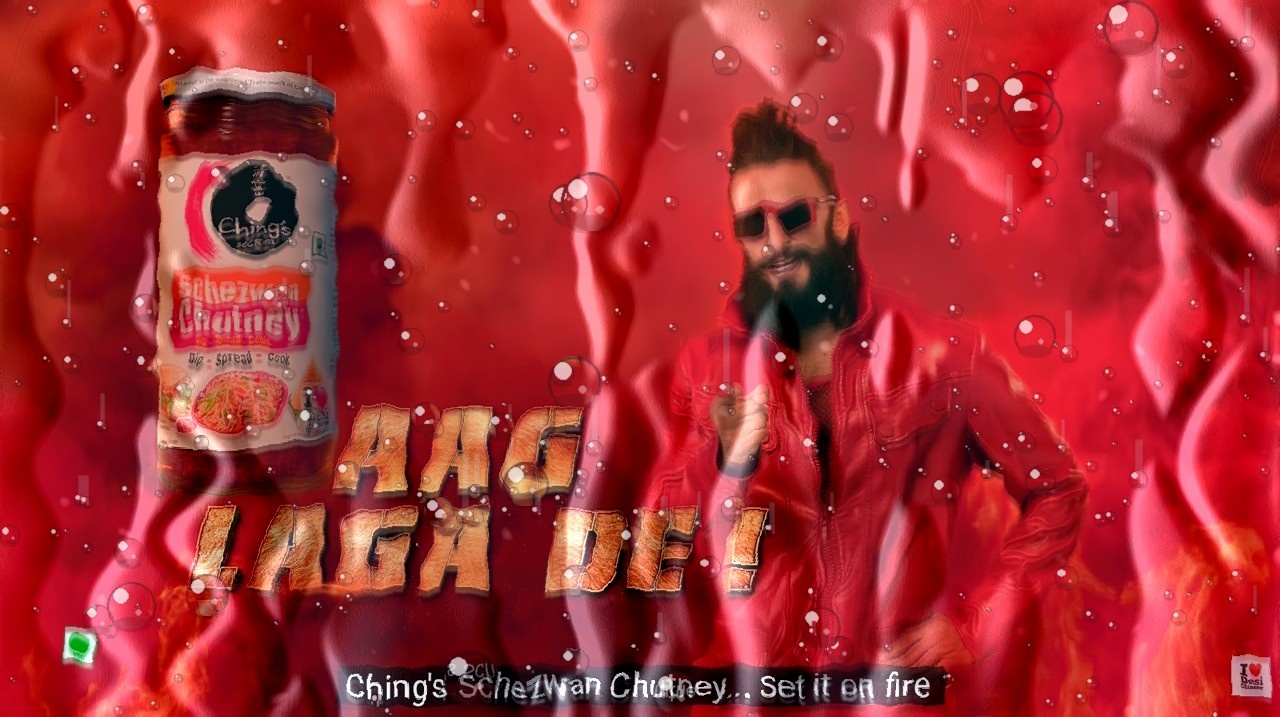
The FMCG major acquired the maker of Ching’s Secret to make the most of its high margins, but things didn’t go to plan. Two years and a few lessons later, TCPL is trying to change that.
Colgate ties up with 100Days.co to scale Palmolive online. But the long overlooked brand may need more than a digital push.
Investors expect the FMCG major to get back on the growth track in the quarters ahead, but protecting margins at the same time could be tough.
The FMCG major acquired the maker of Ching’s Secret to make the most of its high margins, but things didn’t go to plan. Two years and a few lessons later, TCPL is trying to change that.