/
•
•
Detailed stories on technology startups, business and economic current affairs.
Claims notwithstanding, both companies operate in tough sectors and have their fair share of issues.


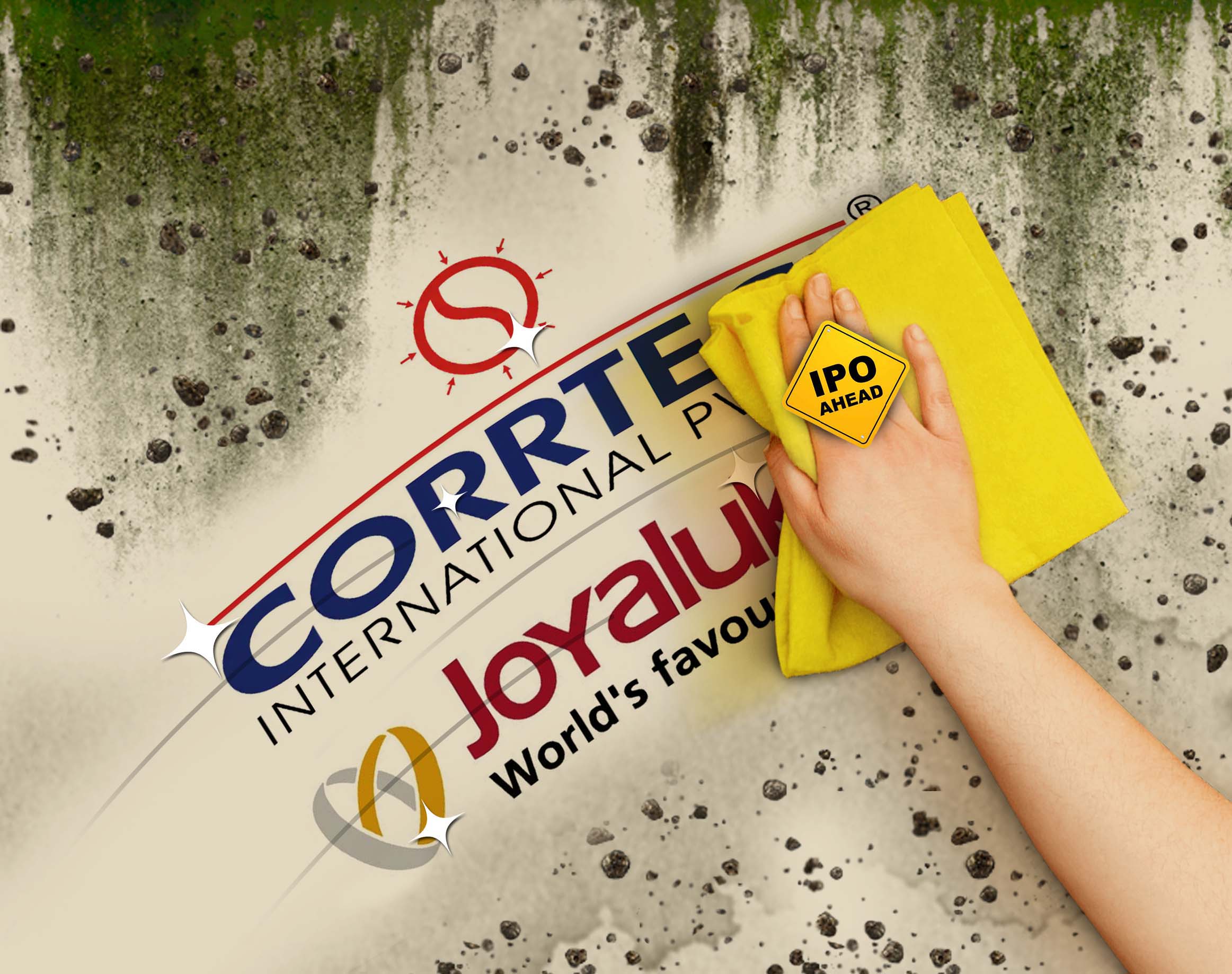
Editor's note: When established businesses decide to do an IPO, the most important change they want to showcase is that they are open to a public scrutiny of their performance. That is usually a far more important consideration than, say, wanting the public to be a part of their growth or using the listed tag for better comfort with lenders. This was perhaps the most important facet even in the recent public issue of shares of Life Insurance Corp. of India, whose financials were shrouded in mystery for over six decades. So, when I want to gauge a promoter’s purpose behind an IPO, I head to the page of the prospectus that lists the directors. My reckoning is that if a company has decided to open its books to regulators and the public, there should be some evidence that the company’s founders are willing to be asked questions by representatives of the public at large—the independent directors. Let’s for a moment forget that independent directors haven’t exactly covered themselves in glory over the years and asked the right questions. Just the presence …

Claims notwithstanding, both companies operate in tough sectors and have their fair share of issues.
Editor's note: When established businesses decide to do an IPO, the most important change they want to showcase is that they are open to a public scrutiny of their performance. That is usually a far more important consideration than, say, wanting the public to be a part of their growth or using the listed tag for better comfort with lenders. This was perhaps the most important facet even in the recent public issue of shares of Life Insurance Corp. of India, whose financials were shrouded in mystery for over six decades. So, when I want to gauge a promoter’s purpose behind an IPO, I head to the page of the prospectus that lists the directors. My reckoning is that if a company has decided to open its books to regulators and the public, there should be some evidence that the company’s founders are willing to be asked questions by representatives of the public at large—the independent directors. Let’s for a moment forget that independent directors haven’t exactly covered themselves in glory over the years and asked the right questions. Just the presence …
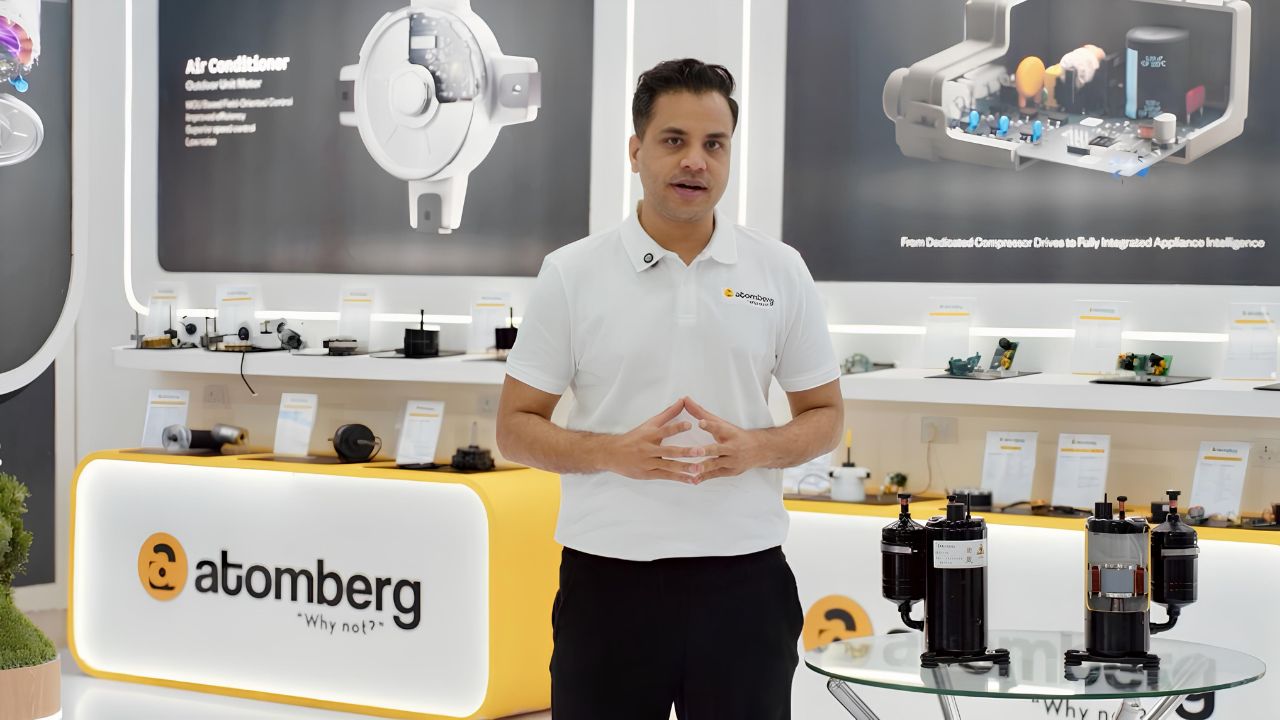
As the smart fan maker gears up for an IPO, prospective investors could do with some clarity on what the company’s next phase of growth will look like.

The stock market regulator is investigating a string of disappointing public listings. The idea is to send a message.
The quick-commerce startup weighs a valuation cut or finding alternative funding to stay afloat as investor appetite for loss-making businesses weakens.
As the smart fan maker gears up for an IPO, prospective investors could do with some clarity on what the company’s next phase of growth will look like.
The stock market regulator is investigating a string of disappointing public listings. The idea is to send a message.
The quick-commerce startup weighs a valuation cut or finding alternative funding to stay afloat as investor appetite for loss-making businesses weakens.