/
•
•
Detailed stories on technology startups, business and economic current affairs.
As the world’s leaders leave Glasgow, and their ministers and negotiators sink into an alphabet soup of diplomatic legalese, these are the main issues we will be watching out for.



Editor's note: Yesterday, Prime Minister Narendra Modi spoke at the COP26 climate conference in Glasgow. He announced that India would be carbon neutral by 2070, reduce carbon emissions by 1 billion tonnes by 2030 and increase the share of electricity from solar, wind and other non-fossil sources. Much like pandemic advisories and the purchase of fighter jets, this is in line with the Modi regime’s preference to have the PM himself announce major government decisions. Environment minister Bhupender Yadav’s pre-COP interviews to mainstream media were vague and meandering, and his blog post before the conference had nothing much to say beyond a Sanskrit couplet; most sentences began with a reference to Modi and his book on climate change. Modi’s announcements look like a conservative bet. India emits 3.3 billion tonnes of carbon every year. A reduction of 1 billion tonnes by 2030 means an aggregate 3% reduction in the total emissions until then. The increase in non-fossil sources is in line with the plan announced ahead of the Paris Agreement in 2015. The net-zero carbon emissions pledge is two decades beyond the …
As the world’s leaders leave Glasgow, and their ministers and negotiators sink into an alphabet soup of diplomatic legalese, these are the main issues we will be watching out for.
Editor's note: Yesterday, Prime Minister Narendra Modi spoke at the COP26 climate conference in Glasgow. He announced that India would be carbon neutral by 2070, reduce carbon emissions by 1 billion tonnes by 2030 and increase the share of electricity from solar, wind and other non-fossil sources. Much like pandemic advisories and the purchase of fighter jets, this is in line with the Modi regime’s preference to have the PM himself announce major government decisions. Environment minister Bhupender Yadav’s pre-COP interviews to mainstream media were vague and meandering, and his blog post before the conference had nothing much to say beyond a Sanskrit couplet; most sentences began with a reference to Modi and his book on climate change. Modi’s announcements look like a conservative bet. India emits 3.3 billion tonnes of carbon every year. A reduction of 1 billion tonnes by 2030 means an aggregate 3% reduction in the total emissions until then. The increase in non-fossil sources is in line with the plan announced ahead of the Paris Agreement in 2015. The net-zero carbon emissions pledge is two decades beyond the …
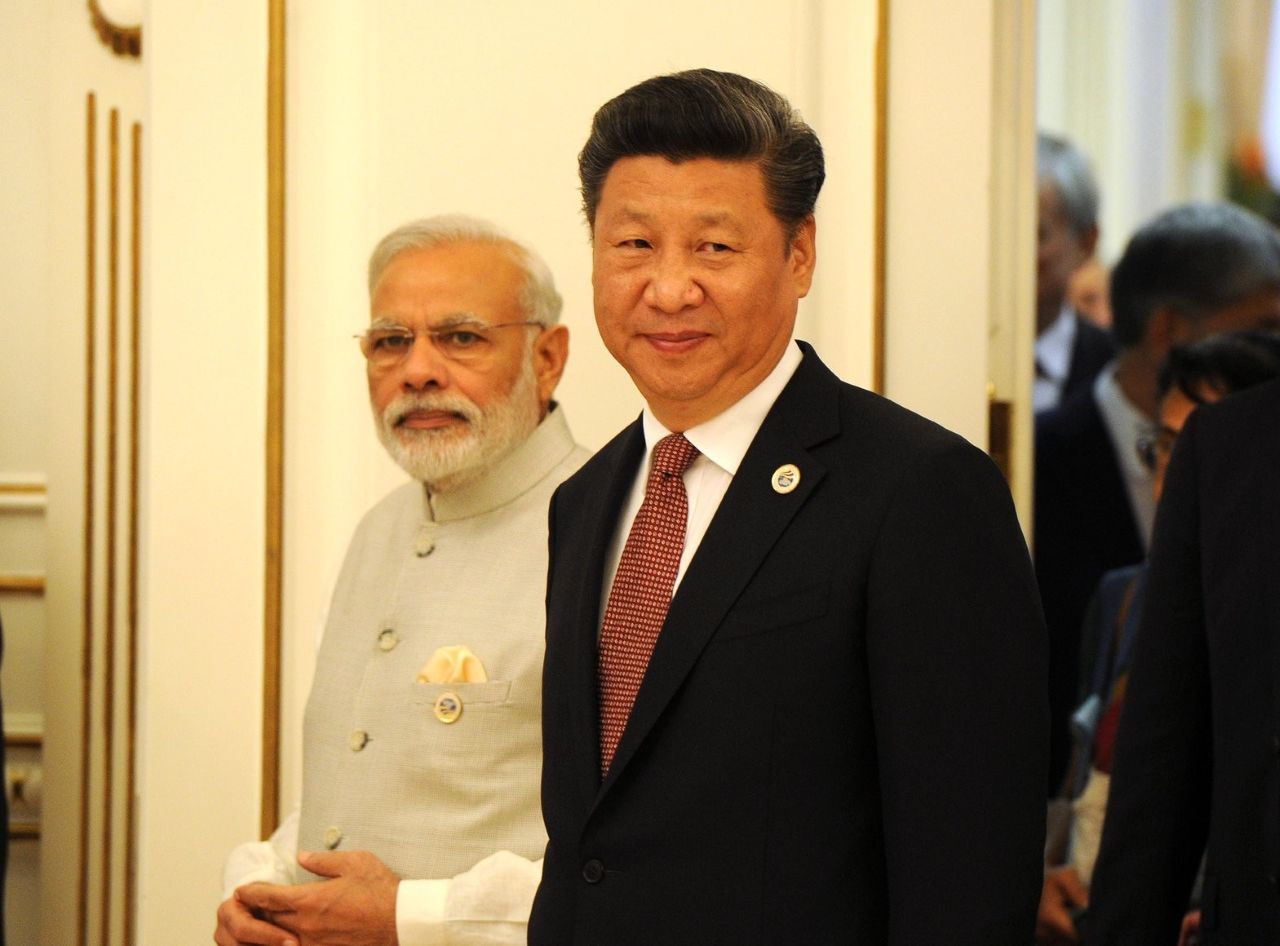
Chinese diplomats to India are saying all the right things for Indian ears, but Beijing’s policy actions are moving in the opposite direction.

The country's fighter jet roadmap rests on imported propulsion, leaving its military plans hostage to cost shocks, delays and geopolitics.
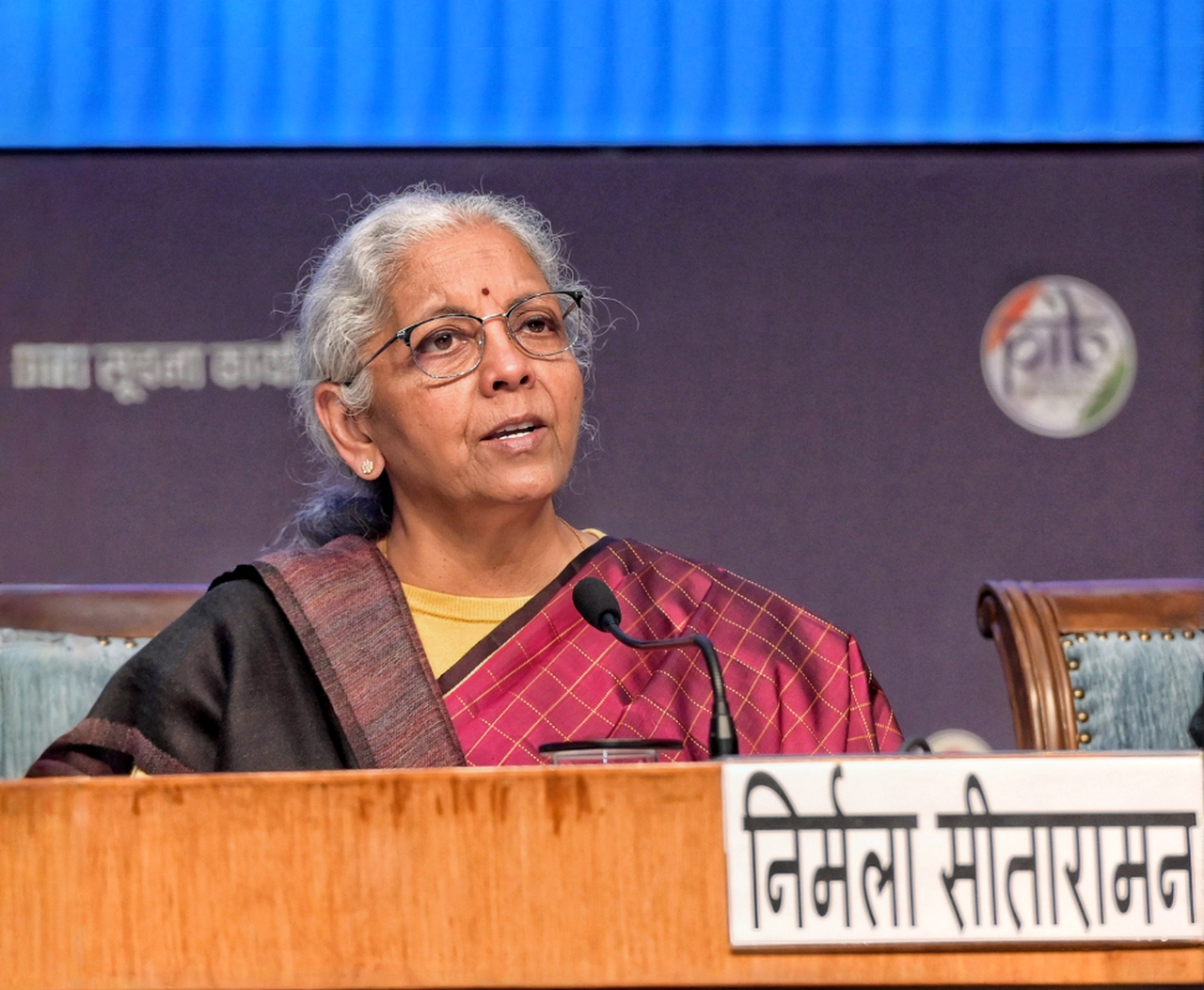
Fiscal discipline holds on paper, but the number is propped up by higher borrowing and revenue sources that are far from stable.
Chinese diplomats to India are saying all the right things for Indian ears, but Beijing’s policy actions are moving in the opposite direction.
The country's fighter jet roadmap rests on imported propulsion, leaving its military plans hostage to cost shocks, delays and geopolitics.
Fiscal discipline holds on paper, but the number is propped up by higher borrowing and revenue sources that are far from stable.