/
•
•
Detailed stories on technology startups, business and economic current affairs.
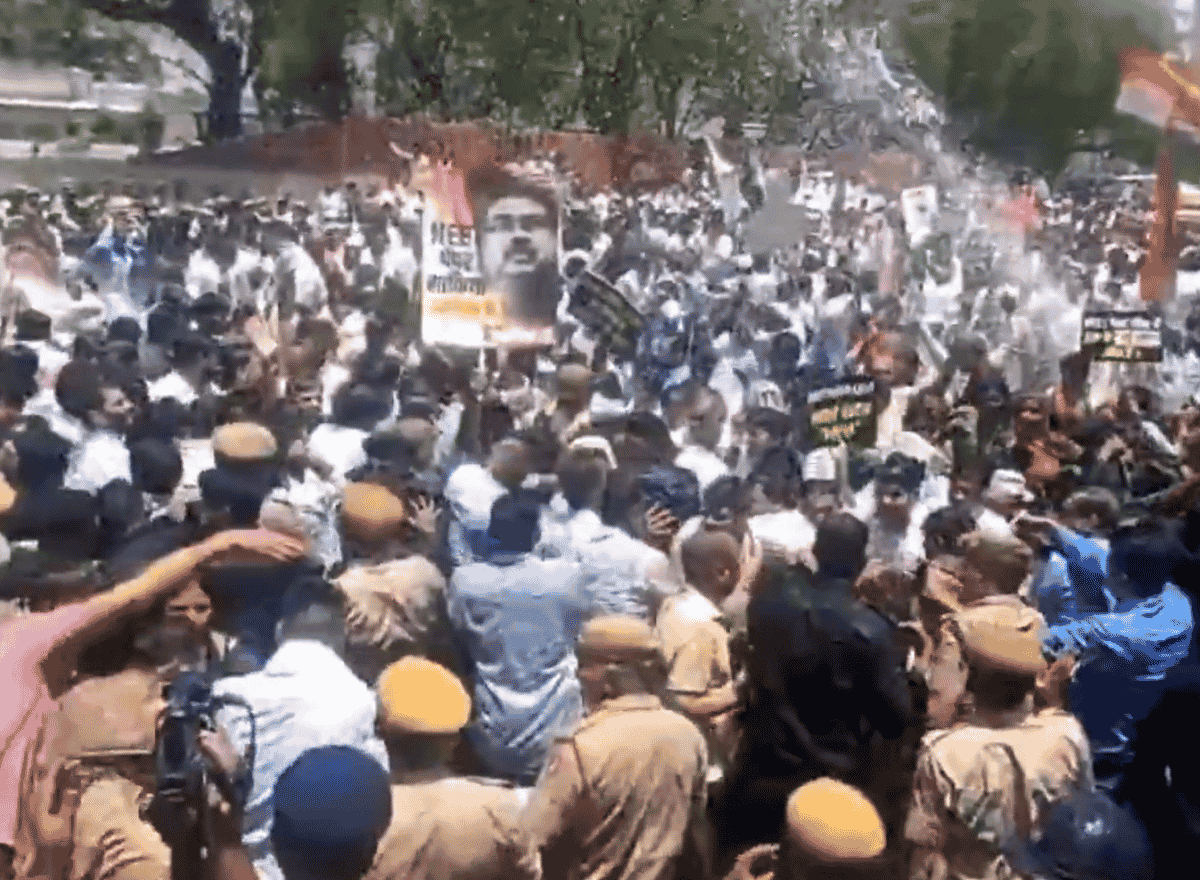
The publisher’s decision to publish a dodgy book and then hurriedly drop it in the face of backlash offers a window into the troubled state of Indian publishing



Editor's note: There is no polite way to say this. Bloomsbury India screwed up. On 22 August, the eight-year-old Indian arm of Bloomsbury Publishing Plc said it would not be publishing Delhi Riots 2020: The Untold Story, authored by Monica Arora, Sonali Chitalkar and Prerna Malhotra, following backlash on social media. A number of Twitter users—which included some of Bloomsbury India's most influential authors—had taken exception to a flier announcing the launch event for the book, which would be attended by film director Vivek Agnihotri, OpIndia editor Nupur Sharma and Kapil Mishra, a Bharatiya Janata Party politician from Delhi. Mishra's speeches during a rally in favour of the controversial Citizenship (Amendment) Act in Delhi's Jaffrabad area in February are said to have instigated the riots in the city that left at least 50 people dead; OpIndia is a right-wing news portal founded in 2014; and Agnihotri's claim to fame is the term "Urban Naxal", which BJP politicians started using in public speeches to attack anyone who disagreed with their views. The opposition to the book came from mostly individuals who identify with …
The publisher’s decision to publish a dodgy book and then hurriedly drop it in the face of backlash offers a window into the troubled state of Indian publishing
Editor's note: There is no polite way to say this. Bloomsbury India screwed up. On 22 August, the eight-year-old Indian arm of Bloomsbury Publishing Plc said it would not be publishing Delhi Riots 2020: The Untold Story, authored by Monica Arora, Sonali Chitalkar and Prerna Malhotra, following backlash on social media. A number of Twitter users—which included some of Bloomsbury India's most influential authors—had taken exception to a flier announcing the launch event for the book, which would be attended by film director Vivek Agnihotri, OpIndia editor Nupur Sharma and Kapil Mishra, a Bharatiya Janata Party politician from Delhi. Mishra's speeches during a rally in favour of the controversial Citizenship (Amendment) Act in Delhi's Jaffrabad area in February are said to have instigated the riots in the city that left at least 50 people dead; OpIndia is a right-wing news portal founded in 2014; and Agnihotri's claim to fame is the term "Urban Naxal", which BJP politicians started using in public speeches to attack anyone who disagreed with their views. The opposition to the book came from mostly individuals who identify with …

The world’s largest English-language book publisher has decided to take a stand that no part of its books may be used or reproduced in any manner for the purpose of training artificial intelligence technologies or systems.

Memory is a powerful thing. Inspiration is tenacious like weeds. To be Mohammad Zubair is to be on the side of truth and civility.

The recent NSE fiasco indicates a larger systemic problem: there is a general malaise, seeping deep among India’s sectoral regulators.
The world’s largest English-language book publisher has decided to take a stand that no part of its books may be used or reproduced in any manner for the purpose of training artificial intelligence technologies or systems.
Memory is a powerful thing. Inspiration is tenacious like weeds. To be Mohammad Zubair is to be on the side of truth and civility.
The recent NSE fiasco indicates a larger systemic problem: there is a general malaise, seeping deep among India’s sectoral regulators.