/
•
•
Expanding the metro rail network across the country with complete disregard for cost overruns and operating losses will have disastrous consequences on the state and national exchequers.



Editor's note: Do you know what is common to every leader across generations? Each of them wants to build monuments to cement their legacy: pyramids, statues, airports, dams, bridges, stadiums, temples, which are supposed to be civilization-defining structures, remembered through generations. Our post-independence history is littered with megaprojects that were once justified but have ended up being major disappointments, both operationally and financially. Damodar Valley Corporation, which was supposed to power a generation of Indian industry through hydropower, has become one of India’s most problematic public sector power generation companies. More than a decade since its launch, GIFT City in Gujarat has largely failed to attract any serious attention from financial actors. Of the almost 40,000 acres of land acquired for Andhra Pradesh’s aspirational new capital Amaravati, very little has seen serious development due to a change of government and consequent legal delays. The list goes on. This is not a uniquely Indian problem. Economic geographer Bent Flyvbjerg has shown that nations that have hosted the Olympic Games (Summer or Winter) since 1960 have seen noticeable declines in national economic growth after …


NDTV and Network18 are now firmly loss-making—and show little urgency to fix the fundamentals.
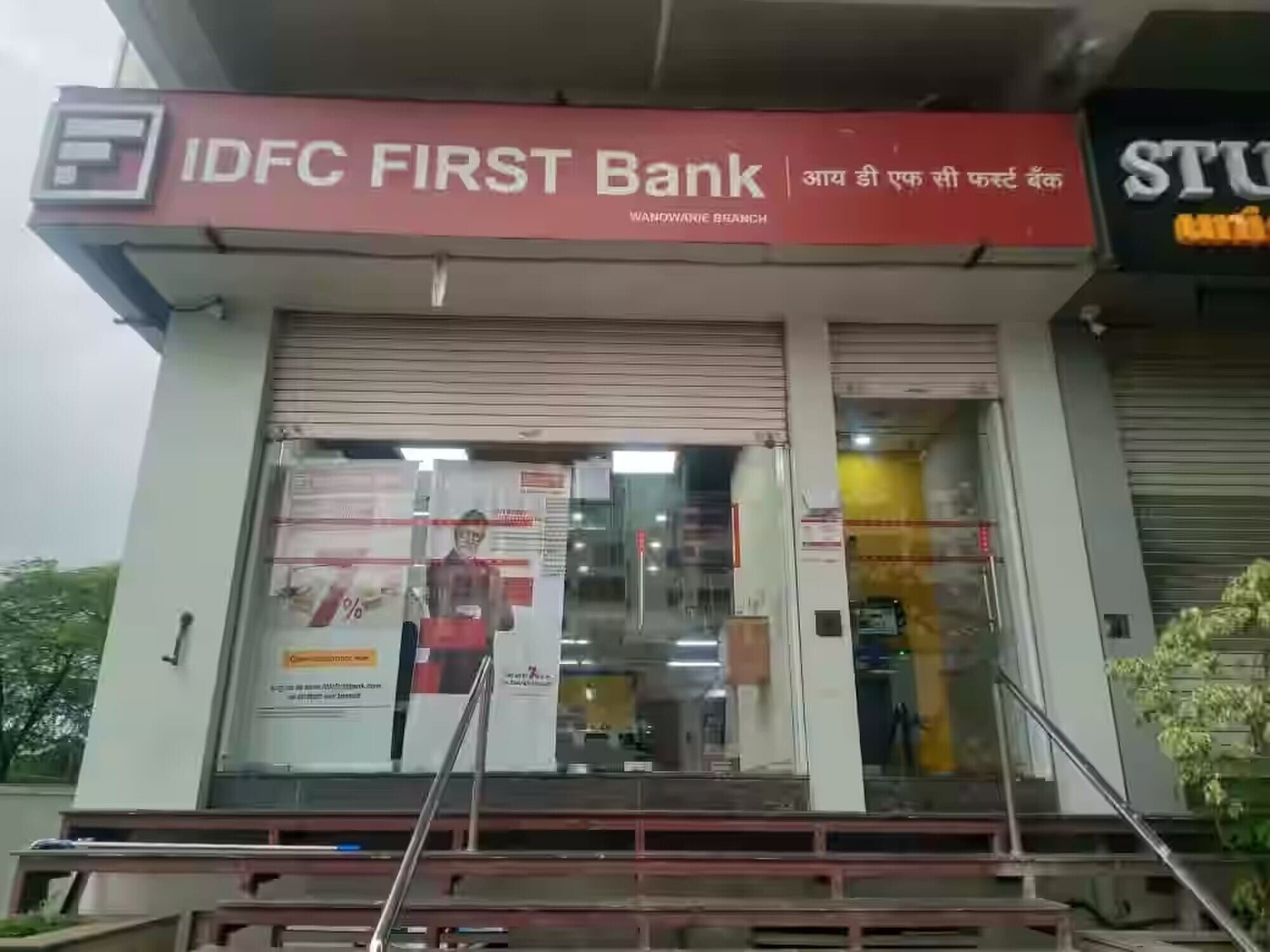
Divergent narratives from the Haryana government and the lender raise deeper questions on oversight, authorizations and systemic lapses—answers that may emerge only after a forensic audit.

Telecom and retail, which account for half the conglomerate’s revenue and most of its valuation, aren’t accelerating fast enough to justify their price tags.